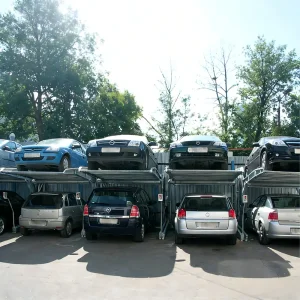
Explore our foundational smart logistics, mechanical elevators, and space-saving industrial systems engineered for global standards.
Why decentralized municipal and industrial facilities are transitioning to modular, high-load above ground installations.
Rapid urbanization, shifting geographical industrial zones, and stringent ecological metrics have collectively placed traditional centralized wastewater systems under unprecedented strain. The civil engineering costs, regulatory lag times, and absolute geological constraints of underground installations make them increasingly impractical. Today, global enterprises are demanding CE certified above ground sewage treatment plants to fulfill environmental duties dynamically, cost-effectively, and reliably.
Above ground sewage treatment plants are self-contained, modular process stations engineered to receive, process, clarify, and disinfect raw domestic or industrial effluent directly at the point of generation. Unlike deep concrete underground basins, these systems utilize heavy-duty structured steel, composite polymers, or high-density containers coated with advanced anti-corrosive linings. By eliminating deep earth excavations, they mitigate the risk of aquifer contamination, circumvent ground-water pressure issues, and dramatically lower construction schedules.
From a global commercial standpoint, the demand is surging across key verticals including remote mining outposts, peripheral luxury resorts, temporary construction cities, and manufacturing clusters. Forward-thinking manufacturers like Qingdao Cherish integrate these advanced biological solutions with modular smart infrastructure. This creates a scalable platform that responds precisely to modern ESG (Environmental, Social, and Governance) investment frameworks.
Demystifying European Union compliance criteria for above ground wastewater equipment manufacturers.
In the global marketplace, a CE Certification is not merely a label; it is a legally binding assertion of safety, health, and environmental compliance. For above ground sewage treatment plants, this involves a complex nexus of harmonized standards. Manufacturers must submit their engineering models to rigorous testing under Notified Bodies to prove the systems meet strict performance parameters.
The primary standard governing packaged or site-assembled domestic wastewater treatment plants up to 50 PT (Population Total) is EN 12566. Additionally, for above ground systems operating with integrated electrical controls, pumps, blowers, and mechanical scrapers, compliance with the Machinery Directive (2006/42/EC) and the Low Voltage Directive (2014/35/EU) is mandatory.
| Evaluation Vector | Specific CE Requirement (EN 12566-3 / Machinery Directive) | Qingdao Cherish Design Standard |
|---|---|---|
| Treatment Efficiency | Target reductions: BOD5 >90%, COD >85%, TSS >90% | Class-leading MBBR/MBR technology yielding ultra-pure discharge |
| Structural Behavior | Load-bearing tests, soil/hydrostatic pressure resistance verification | FEA (Finite Element Analysis) tested structural steel / reinforced fiberglass |
| Watertightness | Zero water leakage test during continuous 30-day monitoring | Dual-weld seam sealing and hydrostatic dry-testing protocols |
| Electrical Safety | IP55 minimum classification, EN 60204-1 safety compliance | IP66 smart PLC panels with redundant safety lock-out switches |
Without validated CE certification, operators in the European Economic Area (EEA) and highly regulated regions globally face immediate shutdown, environmental fines, and total asset forfeiture. Working with a verified CE certified manufacturer ensures your municipal or commercial project clears permitting pathways immediately, offering absolute assurance of environmental protection.
A technical engineering breakdown of biological treatment processes configured for above ground tanks.
To select the correct above ground sewage treatment configuration, engineers must analyze the biological processes engineered within these containerized or free-standing panels. Here we dissect the three primary industry-standard methodologies:
MBBR relies on floating polyethylene carrier elements circulating continuously in an aerated tank. These carriers provide high surface area for active biofilm growth, dramatically increasing organic loading capacity.
Best For: High biological load variations, ease of operation, and minimal sludge recirculation requirements. Excellent for industrial wastewater pretreatment.
MBR merges conventional activated sludge treatment with advanced microfiltration or ultrafiltration membrane modules. It completely replaces gravity clarifiers with physical membrane barriers.
Best For: Ultra-high quality effluent suitable for irrigation, groundwater recharge, or immediate cooling tower reuse. Ideal when space footprint is strictly limited.
SBR operates via a timed sequence: Fill, React, Settle, Decant, and Idle. The entire treatment lifecycle happens sequentially in a single reactor, simplifying physical process layout.
Best For: Low, intermittent flow applications such as hotels, seasonal construction yards, and rural municipal zones.
Qingdao Cherish: Bridging Smart Urban Infrastructure and Advanced Environmental Technologies.
Qingdao Cherish is an integrated industry and trade enterprise dedicated to the design, manufacture, and global supply of intelligent parking equipment and industrial processing solutions. With strong engineering capabilities, modern manufacturing resources, and extensive international project experience, we deliver reliable systems that support modern urban infrastructure and industrial development worldwide.
Founded by a team of experienced engineers and international business professionals, the company was established with a clear mission: to provide efficient, durable, and sustainable equipment solutions through continuous innovation, precision manufacturing, and customer-focused service. From initial concept design and technical planning to production, delivery, and after-sales support, we ensure consistent quality and dependable performance throughout every project lifecycle.
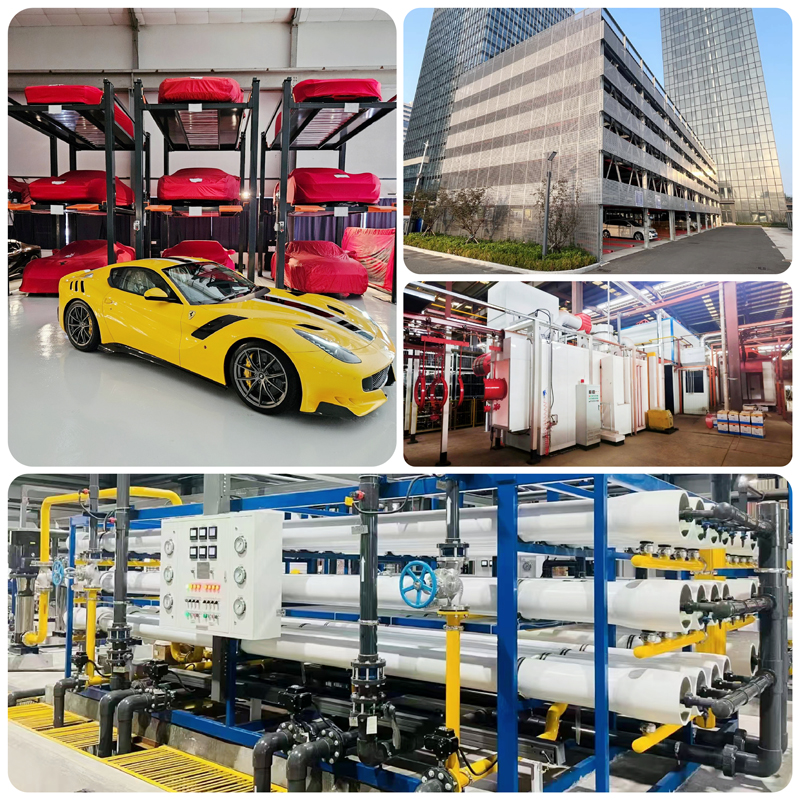
Today, our business operates through two specialized divisions to better serve diverse market needs and provide focused expertise across different industries.
Our Parking Systems Division focuses on the development and production of car parking lifts, automated parking systems, car stackers, and customized parking solutions. Designed to maximize space utilization and operational efficiency, our systems are widely applied in residential buildings, commercial facilities, hospitals, and urban developments. Through continuous engineering innovation and strict quality control, we deliver safe, reliable, and space-saving parking solutions tailored to global project requirements.
Our Industrial Equipment Division provides advanced powder coating lines and sewage treatment plant solutions for industrial applications. These systems are engineered to improve production efficiency, surface finishing quality, and environmental sustainability. By integrating automation technology with durable system design, we help clients optimize manufacturing processes while meeting modern environmental standards and regulatory requirements.
A strategic buyer guide mapping municipal, logistics, and industrial plant requirements to execution pathways.
Procuring an industrial-grade or municipal above ground sewage treatment system requires deep analysis of multiple environmental factors. Procurement teams must scrutinize physical parameters alongside mechanical certifications.
First, the Influent Characterization must be clearly established. Domestically loaded sewage features standard levels of nitrogen, phosphorus, and organic starches, whereas food-processing, chemical, and metal-finishing wastewater requires complex pre-treatment units to buffer heavy metals, high oils, fats, grease (FOG), and pH extremes.
Second, Energy Optimization is a major operational expenditure. High-efficiency fine bubble diffusers, variable frequency drive (VFD) blowers, and smart PLC controllers minimize electricity consumption, lowering the total cost of ownership (TCO) across a 15-year operational lifecycle.
Finally, Climatic Resilience must be factored in. Above ground sewage treatment plants operating in sub-zero climates require custom insulated panel coatings, integrated heat exchangers, or internal heating lines to prevent biological inactivation. Conversely, systems deployed in tropical desert zones must be protected against excessive UV damage and overheating.
Deploying waste water systems requires compliance with localized environmental guidelines. From Europe's Water Framework Directive to North America's EPA standards, Qingdao Cherish guarantees the technical support required to secure quick regulatory approvals. We supply comprehensive structural computations, biological simulation charts, mechanical layouts, and pre-commissioning certificates to satisfy localized engineering reviews, making the procurement process transparent and reliable.
Detailed performance parameters and structural analysis of our industrial-grade material lines.
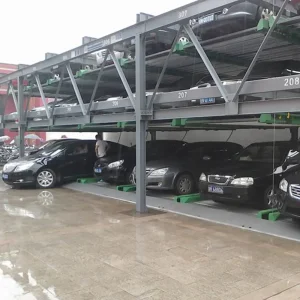
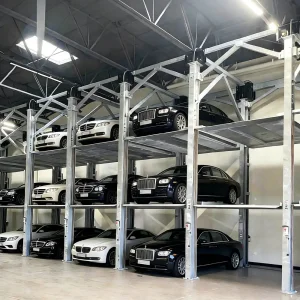
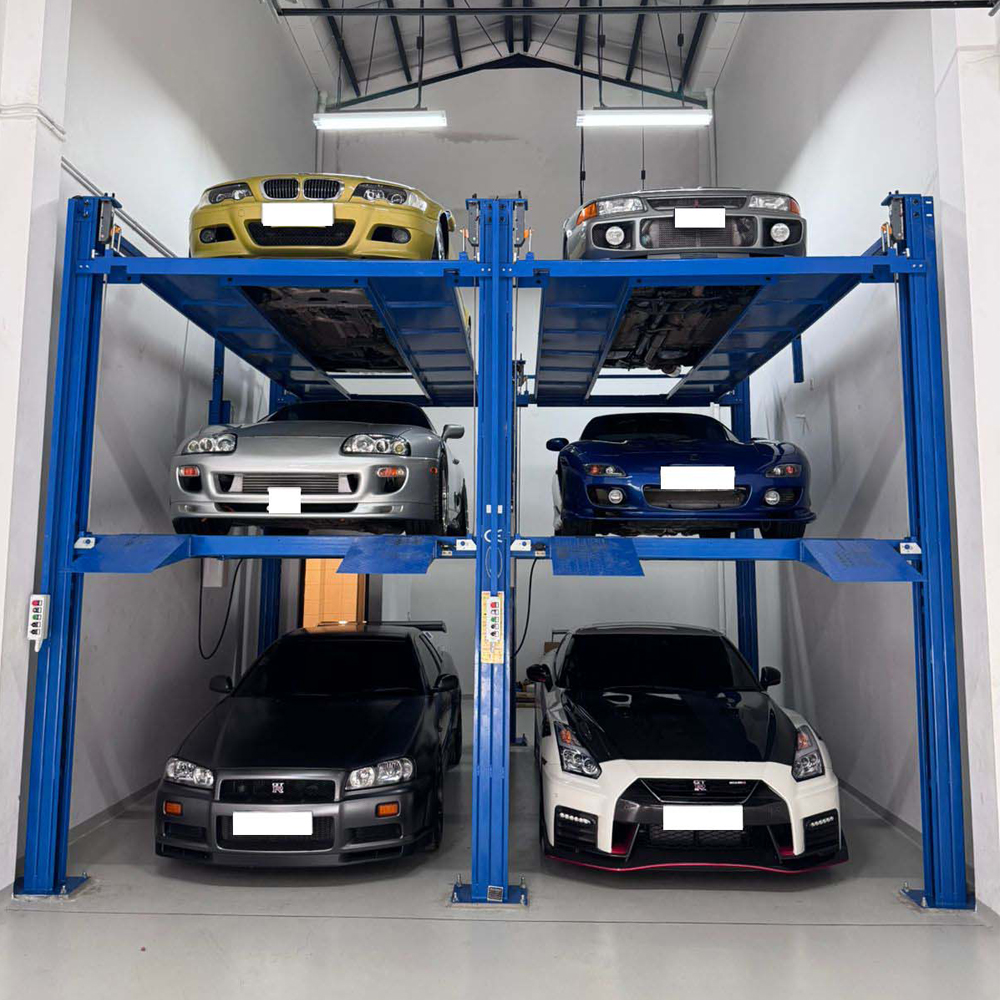
The Triple-Level Parking Lift is a game-changer for maximizing parking space. Designed to accommodate both sedans and SUVs, this lift offers a practical solution for those seeking efficient car storage. Whether you’re a homeowner looking to make the most of a limited garage or a business looking to optimize parking in a commercial setting, this lift makes parking and retrieval easy and convenient. With its durable construction and space-saving design, the Triple-Level Parking Lift is ideal for any environment where parking space is at a premium. Say goodbye to cramped spaces and hello to smart, effortless parking!
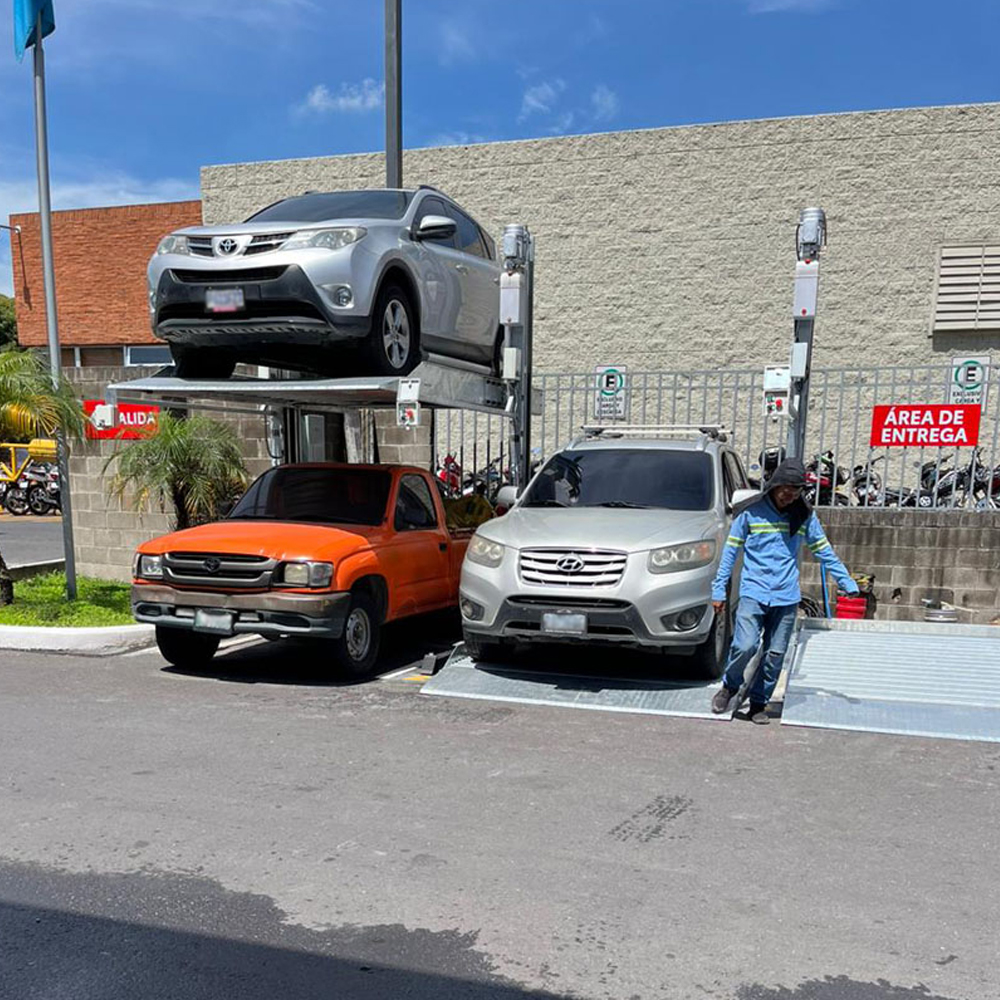
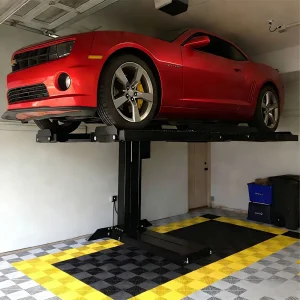
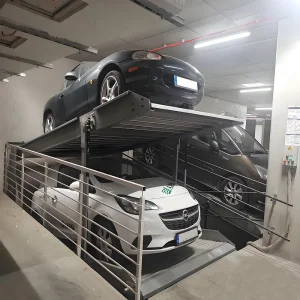
The Double-Level 2 Post Car Parking Lift offers different loading capacities of 2300kg or 2700kg, catering to your specific parking needs. With a maximum lifting height of 2100mm, it efficiently accommodates most of vehicles while optimizing available space. The height of their columns may vary, so it’s important to consider the ceiling height, especially if you plan to install it indoors. This lift is ideal for both residential and commercial applications, providing a reliable solution for parking two vehicles in the same footprint. Make the most of your space without compromising on convenience or safety.
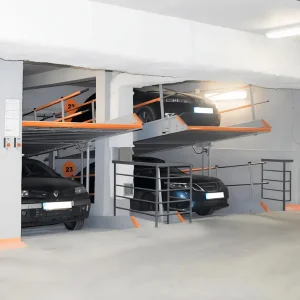
The Tilting Parking Lift is the perfect solution for spaces with low ceilings, such as basements. Its unique design allows the platform to tilt at an angle, optimizing parking in tight spaces. With an adjustable lifting height ranging from 1400mm to 1800mm, it offers flexibility to suit different vehicle sizes and parking requirements. With a maximum loading capacity of 2000kg, this lift ensures safe and efficient storage for your car. Ideal for both residential and commercial applications, the Tilting Parking Lift provides a space-saving, practical solution for parking in areas where conventional lifts may not fit.
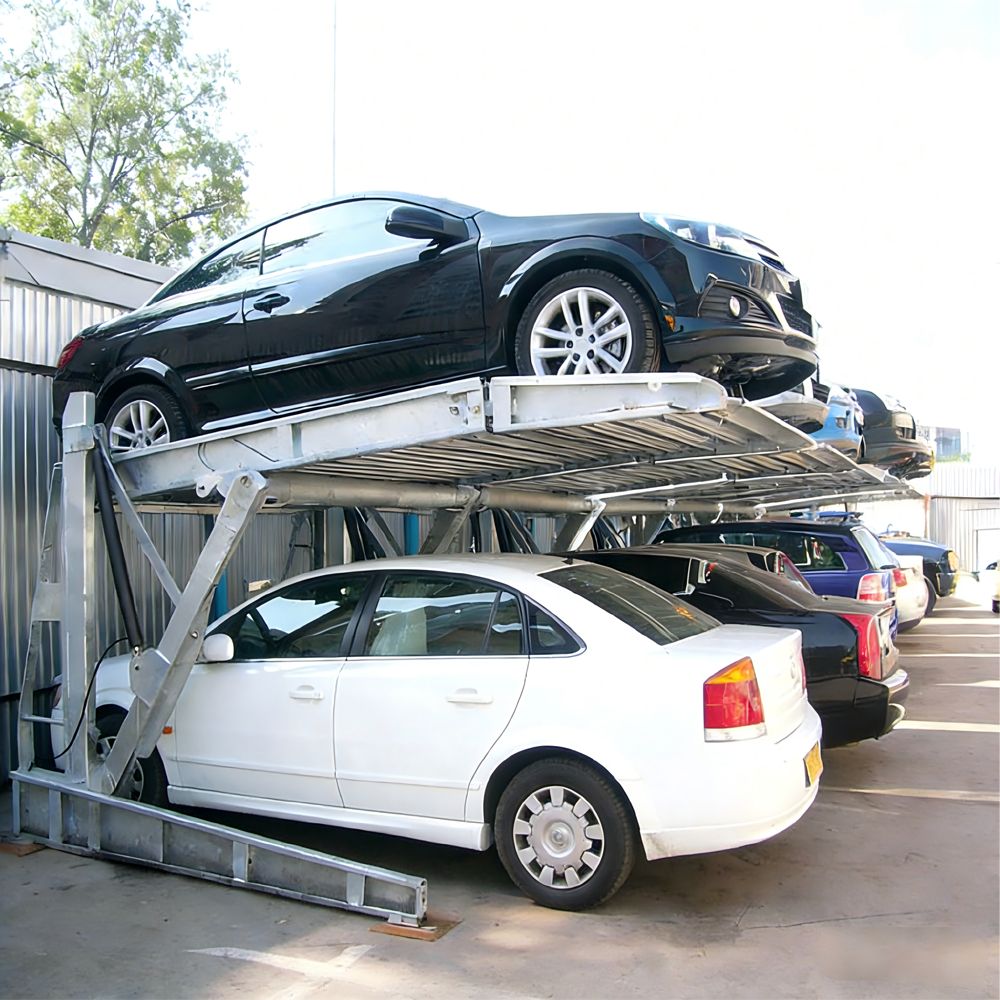

We have successfully completed numerous projects worldwide with our parking lifts, serving customers across the USA, Italy, Mexico, Colombia, Guatemala, France, Serbia, and beyond. Our lifts are versatile, with some clients using them outdoors and others installing them indoors, depending on their needs. To ensure durability and aesthetic appeal, we offer customizable surface treatments, including powder coating and galvanizing, based on customer preferences. Whether for residential or commercial use, our two-post parking lifts provide a reliable, efficient, and tailored solution for maximizing parking space in various environments worldwide.
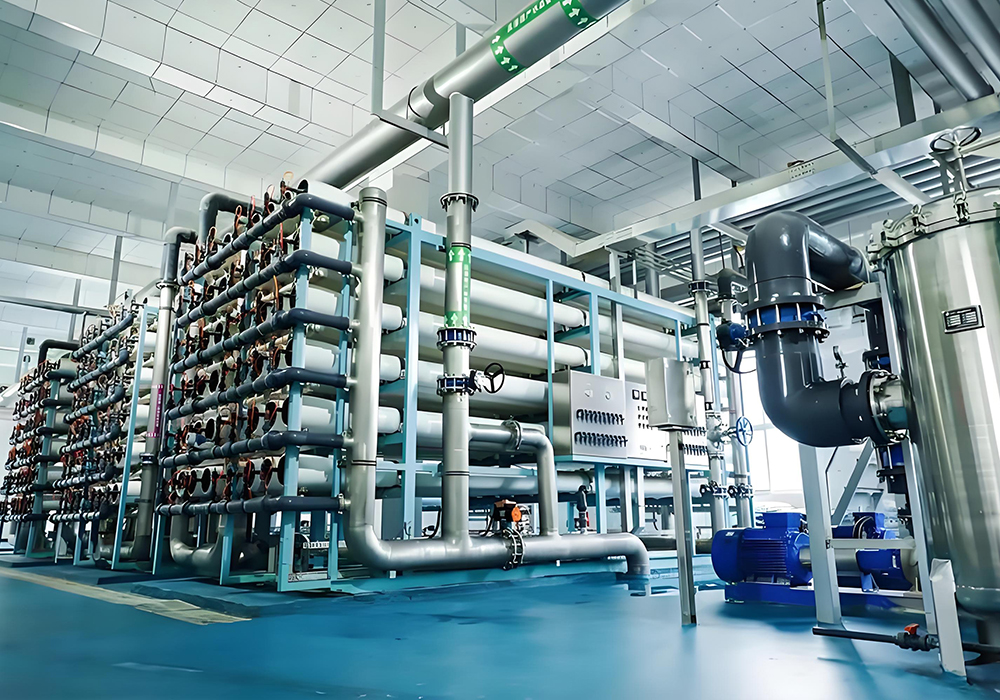
With the acceleration of urbanization and the rapid development of industrialization, sewage or waste water treatment plants have become critical components of environmental protection efforts. We are committed to providing efficient and reliable diversified solutions, including industrial wastewater and domestic sewage recycling, water reuse, and zero-discharge treatment systems; full membrane and reverse osmosis desalination systems; as well as pre-treatment filtration equipment for seawater desalination, pure water, and ultra-pure water. Through innovative technologies, we aim to support sustainable water resource management and contribute to global environmental protection.
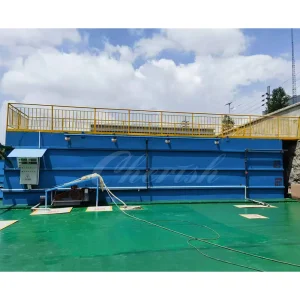
Powder coating line represent one of the most advanced coating technologies in the world today. Their primary advantage lies in emitting little to no volatile organic compounds (VOCs). Compared to traditional liquid coatings, powder coatings can form more uniform and thicker layers without issues like dripping or sagging. Additionally, over spray from powder coatings can be efficiently recycled, achieving nearly 100% material utilization and significantly reducing waste. Powder coating lines generate less hazardous waste and have lower capital investment and operational costs compared to traditional liquid coating lines. Powder-coated surfaces exhibit superior consistency in appearance between horizontal and vertical surfaces, and they can easily achieve a variety of special effects that are difficult to replicate with other coating processes.
The evolution towards smart, chemical-free decentralized biological processors.
The next decade of above ground wastewater management lies in chemical-minimization, automated operation, and the optimization of resource loop recoveries. Legacy biological platforms require constant human inspection and manual dosing adjustments. Modern systems, however, are shifting toward AI-assisted process control.
By integrating real-time sensors for dissolved oxygen (DO), oxidation-reduction potential (ORP), mixed liquor suspended solids (MLSS), and pH, smart controllers can dynamically modulate blower speeds and dosing cycles. This prevents operator errors and cuts biological process power usage by up to 35%.
Simultaneously, the industry is moving rapidly toward zero chemical discharge methods. Advanced UV disinfection modules are replacing conventional chlorine dosing, preventing the release of toxic organochlorines into local ecosystems. Advanced anaerobic sludge digesters are also being engineered within containerized configurations. This allows operators to dry and convert residual biosolid waste into rich organic fertilizer at the point of origin, turning waste management into a circular economy model.
 Cherish