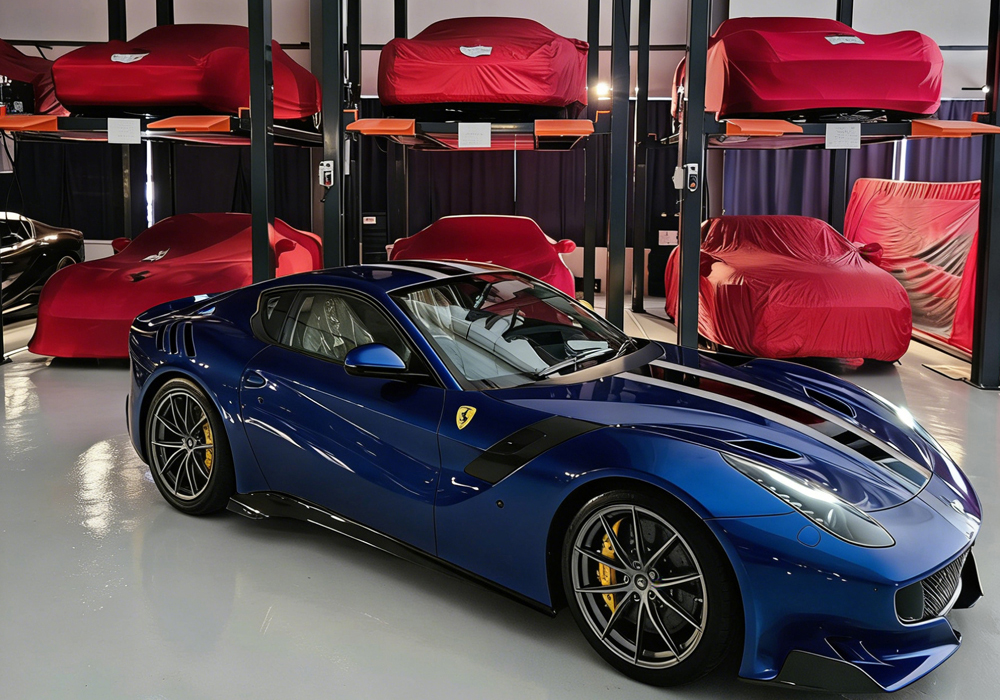
Maximize space utilization with our certified, heavy-duty mechanical engineering line.


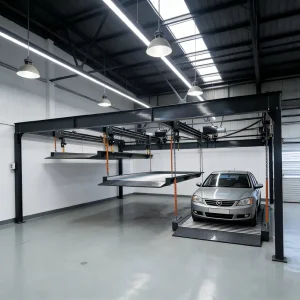

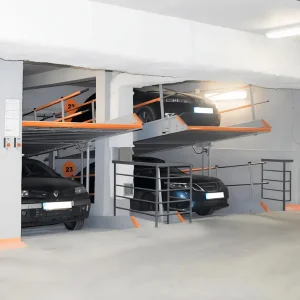
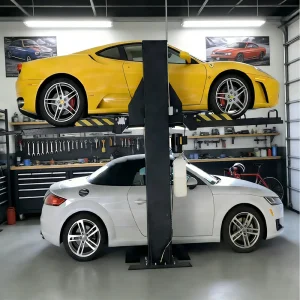

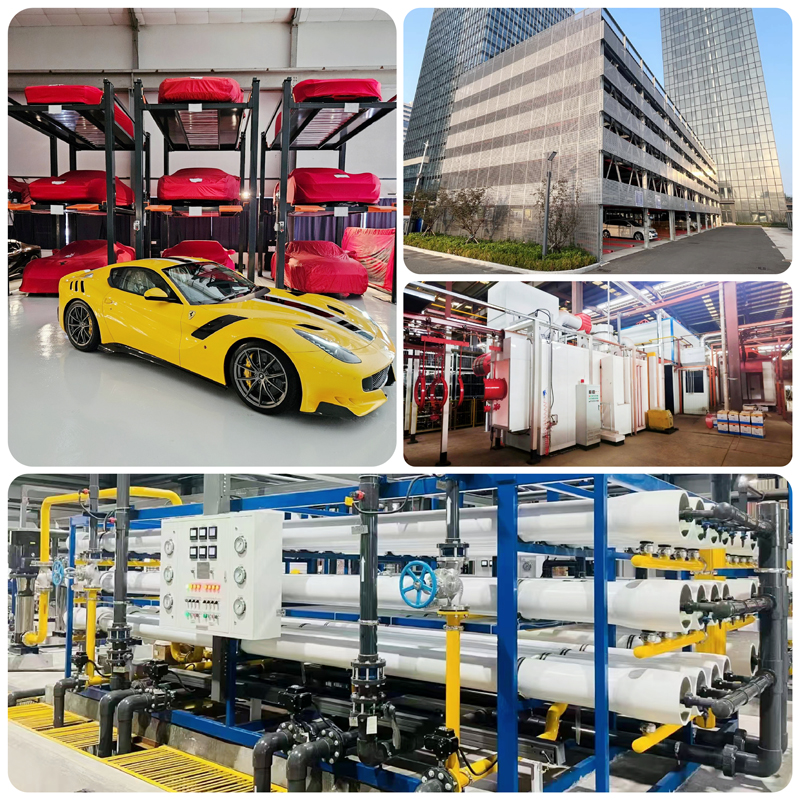
Qingdao Cherish is an integrated industry and trade enterprise dedicated to the design, manufacture, and global supply of intelligent parking equipment and industrial processing solutions. With strong engineering capabilities, modern manufacturing resources, and extensive international project experience, we deliver reliable systems that support modern urban infrastructure and industrial development worldwide.
Founded by a team of experienced engineers and international business professionals, the company was established with a clear mission: to provide efficient, durable, and sustainable equipment solutions through continuous innovation, precision manufacturing, and customer-focused service. From initial concept design and technical planning to production, delivery, and after-sales support, we ensure consistent quality and dependable performance throughout every project lifecycle.
Become a Strategic PartnerDecentralized, intelligent, and highly efficient wastewater recycling systems configured for industrial compliance and urban sustainability.
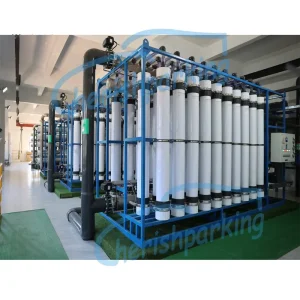
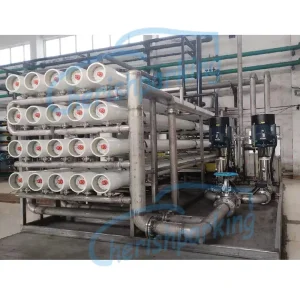
Utilizes ultrafiltration (UF) and Membrane Bioreactor (MBR) modules to filter particles down to 0.04μm, generating high-quality effluent ready for direct greywater reuse.
Leverages Moving Bed Biofilm Reactor (MBBR) suspended carriers to multiply active biomass per cubic meter, accelerating organic chemical oxygen demand (COD) breakdown.
Fully integrated with smart cloud diagnostics, PLCs, and remote telemetry sensors to measure water quality, chemical dosages, and membrane flux dynamically.
Traditional, centralized wastewater management models require vast underground pipe networks, substantial civil works investments, and years of municipal planning. In modern urban and industrial zones, Integrated Sewage Water Treatment Plants (ISWTP) present a disruptive, decentralized paradigm. By combining modular execution with advanced biological degradation mechanisms, these plants process sewage at the source, dramatically cutting down piping network losses and hydraulic loads on municipal grids.
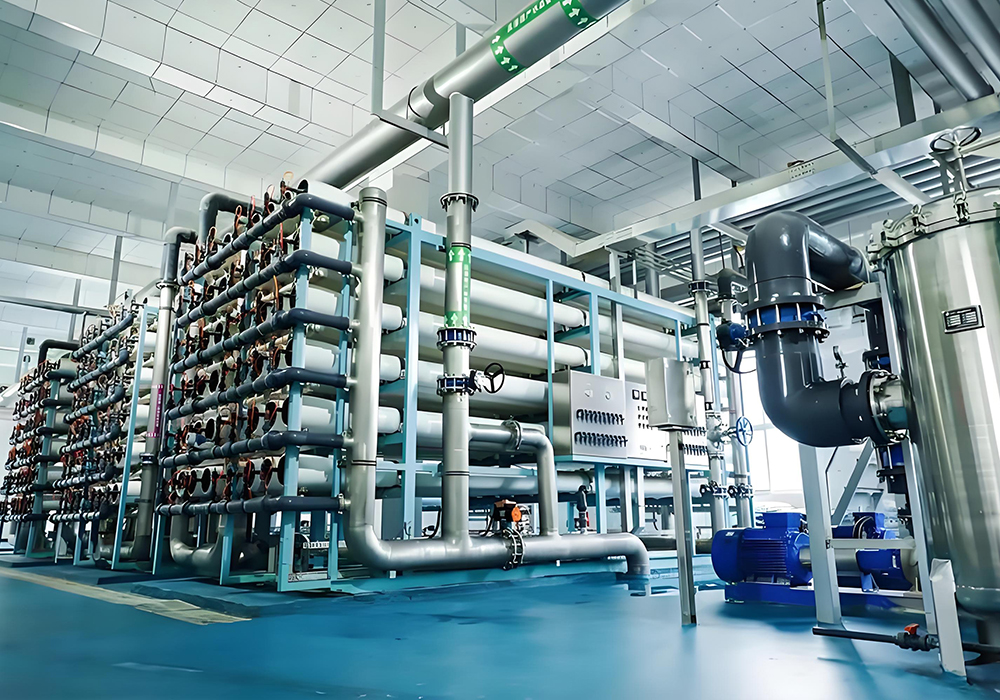
For factories, remote resorts, and municipal zones alike, the modern integrated plant relies on multi-stage physical and biological purification. The integration begins at the screening and equalizer phases, proceeding to high-efficiency anoxic and aerobic chambers where nitrification and denitrification processes take place. In contemporary setups, the integration of ultrafiltration (UF) and reverse osmosis (RO) seawater desalination technologies provides direct water reuse lines that significantly lower global operational footprints.
The core differentiator of a premium Integrated Sewage Water Treatment Plant lies in its filtration technology. Compared to historical secondary clarifier sedimentation schemes, Membrane Bioreactors (MBR) employ hollow-fiber or flat-sheet membranes. These physical barriers block bacteria, pathogens, and suspended solids. This mechanism allows the bioreactor to run at a significantly higher Mixed Liquor Suspended Solids (MLSS) concentration (ranging from 8,000 to 12,000 mg/L), decreasing the overall physical footprint of the plant by up to 50%.
Why leading global corporations source their modular wastewater plants and parking infrastructures from Chinese precision hubs.
Chinese production facilities leverage localized high-grade steel supply chains, implementing automated laser-cutting arrays, CNC machining centers, and heavy-duty robotic welding units. This high level of automation guarantees that structural frames, mechanical parking columns, and wastewater pressure vessels can tolerate extreme pressure cycles, seismic shifts, and corrosive chemical exposures over decades of uninterrupted service.
Unlike fragmented Western manufacturing pipelines, Chinese manufacturing clusters combine raw material sourcing, electrochemical coating departments (such as our high-capacity Powder Coating Lines), PLC hardware integration, and hydraulic pump production within highly integrated regional zones. This minimizes material transit times, enables rapid design customizations, and provides clients with a reliable supply of replacement components.
Furthermore, quality validation protocols executed inside certified Chinese factories match and frequently exceed strict international standards. With extensive testing fields, physical assemblies are evaluated under simulated high-load scenarios before transport. By conducting real-load tests on mechanical structures, hydraulic tolerance analyses, and electronic diagnostic stress runs, factories drastically decrease on-site debugging hours for the final international customer.
Focused expertise across two engineering disciplines to deliver targeted, high-performance global systems.
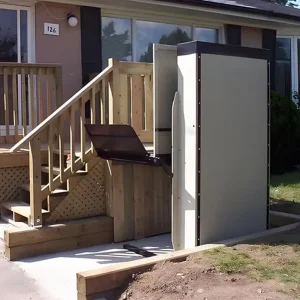
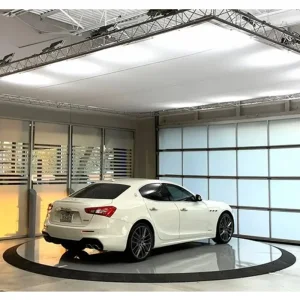
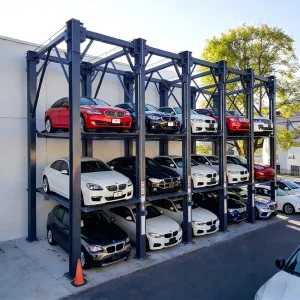
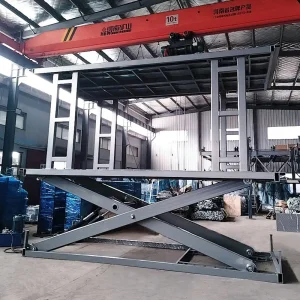
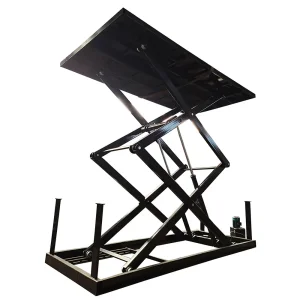
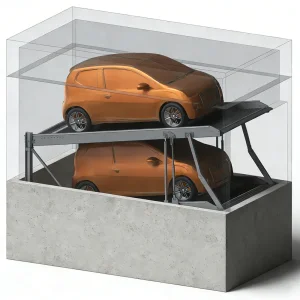
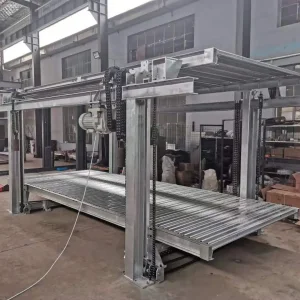
Our Parking Systems Division focuses on the development and production of car parking lifts, automated parking systems, car stackers, and customized parking solutions. Designed to maximize space utilization and operational efficiency, our systems are widely applied in residential buildings, commercial facilities, hospitals, and urban developments. Through continuous engineering innovation and strict quality control, we deliver safe, reliable, and space-saving parking solutions tailored to global project requirements.
Our Industrial Equipment Division provides advanced powder coating lines and sewage treatment plant solutions for industrial applications. These systems are engineered to improve production efficiency, surface finishing quality, and environmental sustainability. By integrating automation technology with durable system design, we help clients optimize manufacturing processes while meeting modern environmental standards and regulatory requirements.
Aligning structural processes with environmental compliance mandates, resource scarcity, and ESG policies.
Industrial processing sites face increasingly stringent zero-discharge standards. Our multi-stage RO, UF, and filtration system technologies assist plants in reclaiming up to 98% of industrial process water.
Pre-piped, pre-wired, and containerized skid configurations are replacing site-built concrete basins. This modular format allows for fast global shipping and plug-and-play installation within days.
By optimizing blower runtimes, utilizing energy recovery devices in seawater desalination, and deploying low-energy membrane designs, plants minimize their operational carbon footprints.
Modern environmental infrastructure is deeply interconnected with energy consumption. Standard treatment technologies consume vast amounts of electricity to pump, aerate, and filter waste. Our R&D works directly on resolving this issue by using low-power high-efficiency compressors, integrated gravity-flow hydraulic routing, and anaerobic digestion modules that generate methane to offsets operational energy draws.
Furthermore, combining sewage treatment plants with adjacent industrial activities (such as powder coating processes) represents a major step forward for resource circularity. Wastewater generated during metal pre-treatment contains heavy metal residues and acidic rinses. With our customized neutralization and precipitation components, these complex wastewater streams are neutralized, recycled, and fed back into the powder coating wash systems, illustrating true industrial synergy.
Custom engineering layouts adapted to diverse environmental constraints and regional requirements.
Ideal for suburban villas, remote island resorts, and localized eco-villages where connection to the main municipal sewerage is cost-prohibitive. Containerized plants operate quietly underground with minimal visual impact.
Treats highly complex industrial rinse water, electroplating runoff, and organic discharges. Integrated chemical dosing loops automatically adjust pH, precipitation, and flocculation based on real-time sensor streams.
Integrates brackish water reverse osmosis (RO) systems and seawater desalination machinery to provide clean, potable water, combined with on-site wastewater recycling to minimize oceanic pollutant dumping.
Helping procurement managers navigate complex engineering requirements, international standards compliance, and total cost of ownership (TCO) calculations.
For procurement directors in North America, Europe, and the Middle East, acquiring large-scale environmental processing systems or structural parking mechanisms involves managing numerous technical requirements. A primary concern is regulatory compliance. Sourced systems must satisfy local and national codes (such as CE certifications, UL electrical compliance, ASME pressure vessel standards, and local environmental protection agency limits).
Qingdao Cherish streamlines this procurement process by providing full-spectrum design and engineering support. We deliver detailed drawing layouts, process and instrumentation diagrams (P&ID), structural loading analyses, and direct remote support. This minimizes installation variables and ensures long-term operational success.
Wastewater purification requires a combination of physical, chemical, and biological processes. Raw influent first passes through coarse and fine screening channels to remove large solids. It then enters an equalization tank where mechanical mixing homogenizes fluctuations in flow rate and organic strength. Next, in the biological treatment section, the wastewater undergoes carbonaceous oxidation and nitrification. This is driven by specialized bacterial cultures suspended in the aerobic reactor.
In systems utilizing a Moving Bed Biofilm Reactor (MBBR), high-surface-area plastic carriers are kept in suspension via continuous aeration. The biofilm growing on these carriers degrades organic carbon and nitrogen compounds, enabling the system to handle organic shock loads that would typically destabilize conventional activated sludge systems.
The choice between Membrane Bioreactors (MBR) and traditional gravity settlers has a major impact on both building and operating costs. MBR systems replace the traditional gravity clarifier with microfiltration or ultrafiltration membrane modules. Because they provide a absolute physical barrier, MBR systems eliminate common issues like sludge bulking and pin-floc escape. The resulting effluent is highly clear, sanitarily safe, and free from suspended solids. This makes it suitable for direct irrigation, industrial cooling loops, or pre-treatment stages in reverse osmosis (RO) desalination plants.
Additionally, operating with a higher concentration of biomass (MLSS) allows MBR plants to run with much longer sludge retention times (SRT). This significantly reduces daily waste sludge production, cutting down on-site dewatering and disposal costs.
Modern factories often run multiple manufacturing lines in parallel. For instance, metal fabrication shops often operate both automated Powder Coating Lines and dedicated sewage treatment infrastructure. Powder coating lines are widely recognized for their low VOC emissions and high powder recovery rates (nearly 100% when using modern cyclone reclaimers). However, the metal pre-treatment stages (degreasing, phosphating, and rinsing) generate industrial wash wastewater that must be managed.
By pairing an industrial powder coating installation with a custom Integrated Wastewater Plant, operators can set up a closed-loop recycling system. Chemical precipitation steps remove phosphates and heavy metals from the wash water. The clarified water is then polished through carbon filters and reverse osmosis membranes, returning clean process water to the wash tanks. This design minimizes raw water demands and helps factories satisfy strict municipal zero-discharge requirements.
Detailed answers to common questions regarding integrated water treatment systems, configuration, maintenance, and ordering.
Engineered for long-term structural reliability and seamless mechanical integration.
 Cherish