Qingdao Cherish is an integrated industry and trade enterprise dedicated to the design, manufacture, and global supply of intelligent parking equipment and industrial processing solutions. With strong engineering capabilities, modern manufacturing resources, and extensive international project experience, we deliver reliable systems that support modern urban infrastructure and industrial development worldwide.
Founded by a team of experienced engineers and international business professionals, the company was established with a clear mission: to provide efficient, durable, and sustainable equipment solutions through continuous innovation, precision manufacturing, and customer-focused service. From initial concept design and technical planning to production, delivery, and after-sales support, we ensure consistent quality and dependable performance throughout every project lifecycle.
Today, our business operates through two specialized divisions to better serve diverse market needs and provide focused expertise across different industries.
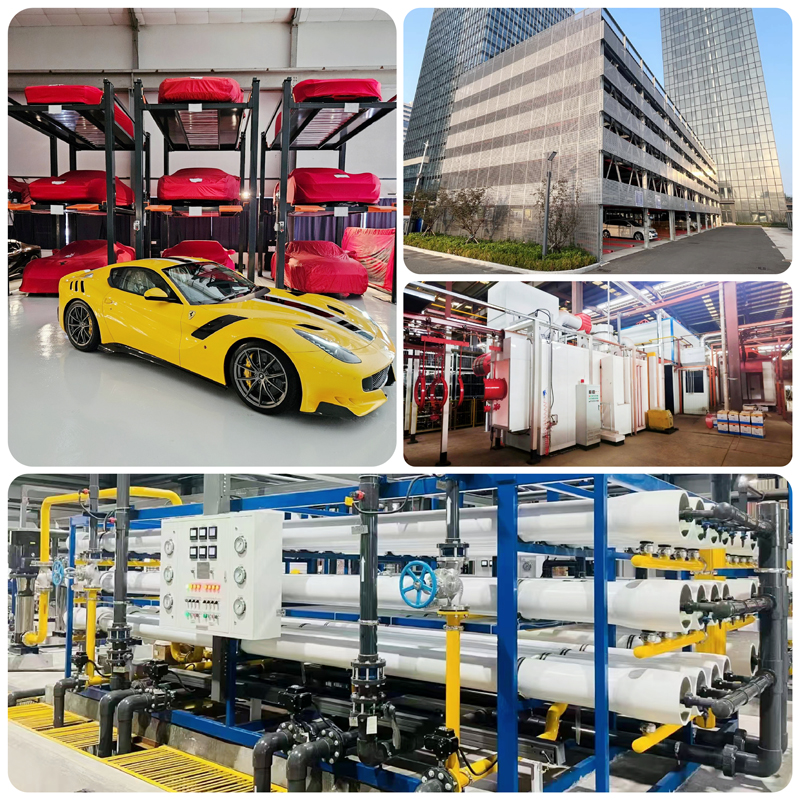
Our operation integrates state-of-the-art research and development pipelines with robust field execution. By organizing our expertise into two highly specialized divisions, we guarantee tailored service configurations, optimized supply chain paths, and uncompromising technical oversight.
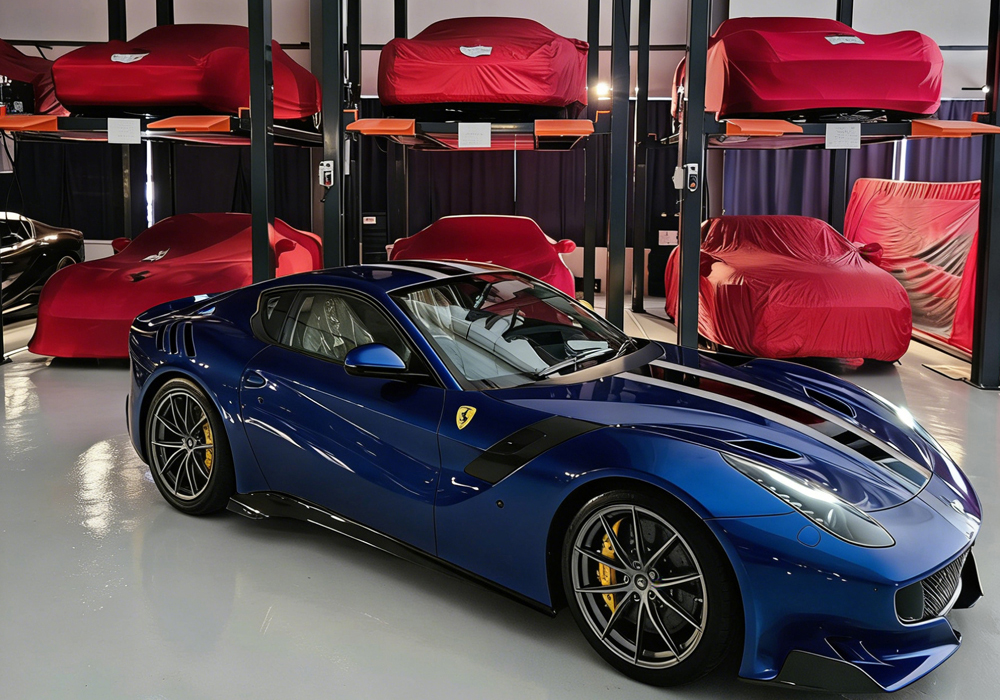
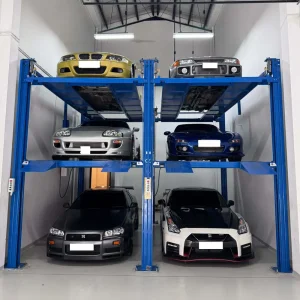
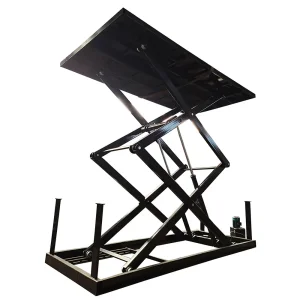
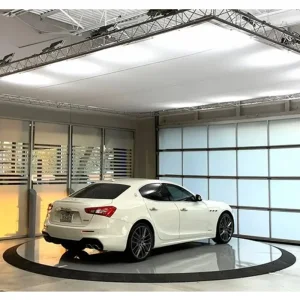
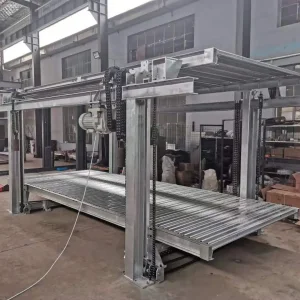
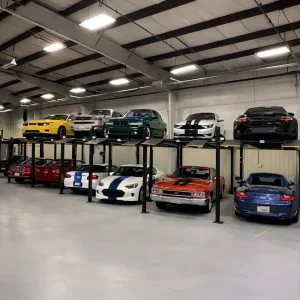
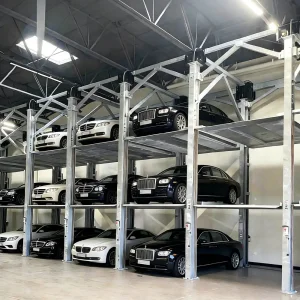
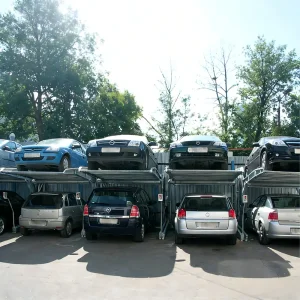
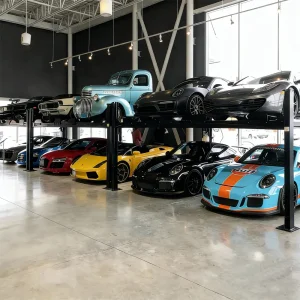
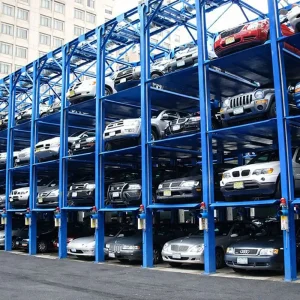
Our Parking Systems Division focuses on the development and production of car parking lifts, automated parking systems, car stackers, and customized parking solutions. Designed to maximize space utilization and operational efficiency, our systems are widely applied in residential buildings, commercial facilities, hospitals, and urban developments. Through continuous engineering innovation and strict quality control, we deliver safe, reliable, and space-saving parking solutions tailored to global project requirements.
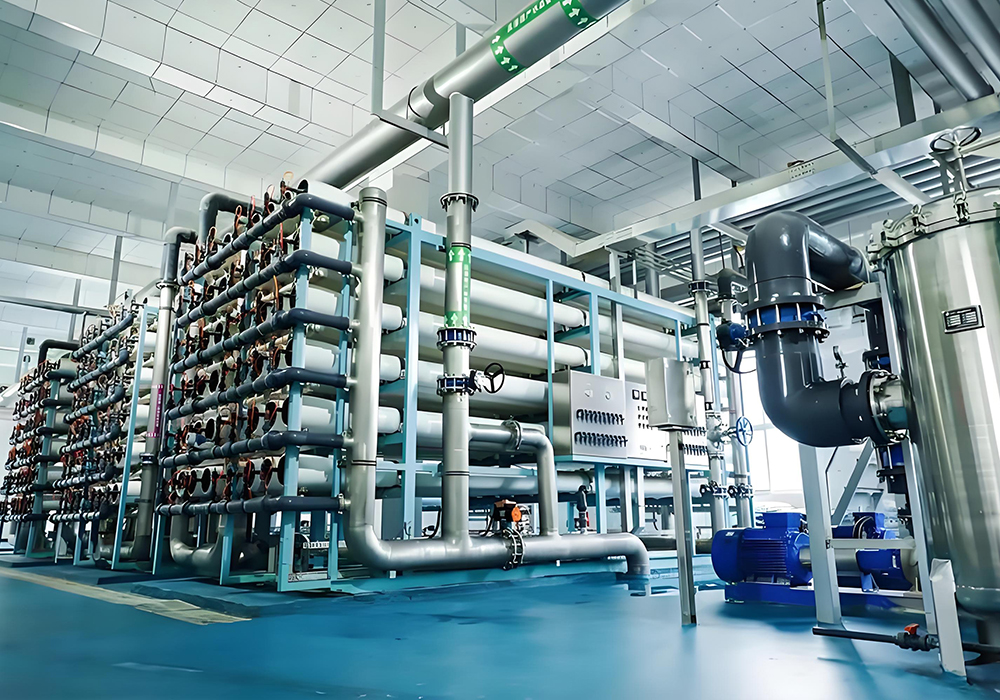
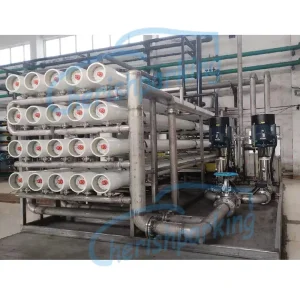
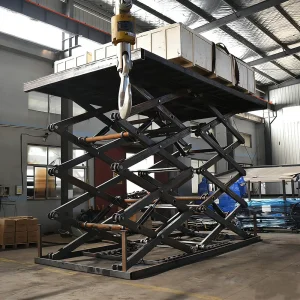
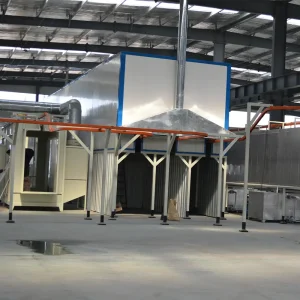
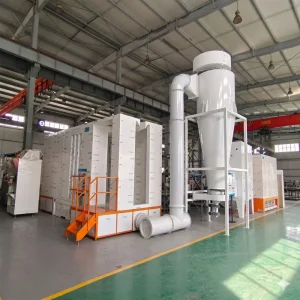
Our Industrial Equipment Division provides advanced powder coating lines and sewage treatment plant solutions for industrial applications. These systems are engineered to improve production efficiency, surface finishing quality, and environmental sustainability. By integrating automation technology with durable system design, we help clients optimize manufacturing processes while meeting modern environmental standards and regulatory requirements.
Rapid urban migration, soaring real estate costs, and the urgent necessity to reduce structural footprints have driven the global demand for automated vertical space management. In metropolitan areas, parking density is no longer a luxury; it is a critical metric of land efficiency and commercial asset performance. Architectural masterplans increasingly phase out traditional horizontal garage layouts, opting instead for integrated mechanical and hydraulic lifting systems that double, triple, or quadruple density over a matching footprint.
As Google’s Search Quality Evaluation Guidelines stress high information value and authoritative research, understanding the mechanical kinematics behind vertical lift parking is essential. These configurations rely on high-load hydraulic pistons, electrical motor-gear box drives, and intelligent programmable logic controllers (PLCs). They must interface seamlessly with structural loads, foundation designs, and micro-grid electrical demands to deliver resilient urban mobility interfaces.
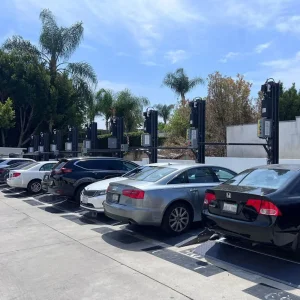
Moreover, the global automotive evolution toward electric vehicles (EVs) places unprecedented demand on charging capabilities within multi-level storage. High-quality vertical lifts must now integrate heavy-gauge copper wiring runs, localized circuit isolation, and V2G (Vehicle-to-Grid) hardware options to prepare structural systems for the next half-century of transport infrastructure.
From the industrial zones of Germany to commercial developments in New York and logistics networks in Singapore, vertical parking requirements differ by regulatory and structural constraints. For example, North American operators prioritize high weight capacities (up to 3000kg) to handle full-sized SUVs and heavy trucks. Conversely, European markets demand compliance with stringent safety metrics and CE/EN 14010 mechanical standards, highlighting low environmental impacts, low acoustic signatures, and minimal power consumption.
Driven by SUV and light-duty truck configurations, regional demands center on high load capacity (2700kg - 3000kg), robust structural columns, and integration with local fire codes (NFPA standards).
Emphasizes EN 14010 compliance, safety locking systems, and strict environmental footprints. Our product suite features fully certified systems built to satisfy these precise regulatory constraints.
High-density urban cores require extreme multi-level puzzle architectures and automated rotary systems to optimize small land parcels in luxury residential and logistics hubs.
To succeed globally, manufacturers must balance design standardization with local adaptation. A B2B developer in Australia expects structural components certified to local AS/NZS codes, while an operator in South America requires hydraulic configurations built to withstand fluctuations in regional electrical grids. True leadership in this sector demands a highly resilient supply chain, versatile fabrication capabilities, and adaptive engineering configurations.
For B2B buyers, purchasing heavy lifting equipment is a significant long-term capital investment. Trust, reliability, and engineering authority are paramount. This aligns directly with Google's E-E-A-T principles (Experience, Expertise, Authoritativeness, and Trustworthiness). A website must detail raw material verification, stress testing protocols, safety systems, and localized field service networks to prove it is a reliable supply partner.
Every vertical lift component undergoes strict quality checks. All systems are manufactured in compliance with international ISO 9001 quality management guidelines and carry CE certification. This ensures compliance with structural steel ratings, hydraulic line pressure specs, and electrical containment rules.
Hardware durability depends on the support network behind it. We maintain relationships with certified local installers and service technicians across key global markets. This ensures prompt on-site support during installation, commissioning, and routine maintenance intervals.
Outdoor and underground parking systems face harsh, corrosive environments. By utilizing our Industrial Equipment Division's specialized pretreatment powder coating lines, we apply thick, uniform, weather-resistant protection. This keeps structures free of rust and fully operational through decades of service.
Understanding which lift type fits a specific project is key to optimizing budget, space, and access speed. Below is a detailed breakdown of vertical lift models, their mechanics, and their primary applications:
Core Specifications: 2300kg to 2700kg load rating. 2100mm maximum lifting height.
Best For: Residential garages, luxury auto storage, and light commercial spaces looking to double capacity on a single footprint. Designed to work with variable ceiling heights, featuring adaptable column configurations.
Core Specifications: Up to 3000kg capacity per platform. High vertical clearance.
Best For: Commercial storage hubs, car dealerships, and valet operations. These heavy-duty 4-post platforms store up to four vehicles vertically, making efficient use of high-ceiling warehouses or outdoor spaces.
Core Specifications: 2000kg load capacity. Adjustable lift heights (1400mm-1800mm).
Best For: Basements and low-clearance residential garages. The platform tilts at a precise angle to optimize space, allowing safe parking for two cars where standard upright lifts won't fit.
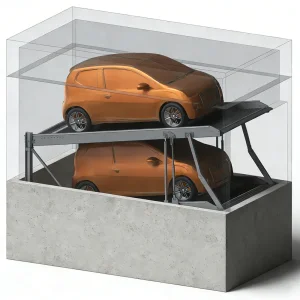
Core Specifications: Fully customizable pit sizing, dual-deck configuration, structural steel support.
Best For: High-end residential villas and architectural landscaping projects. Keeps vehicles stored out of sight underground, preserving property aesthetics while doubling available parking space.
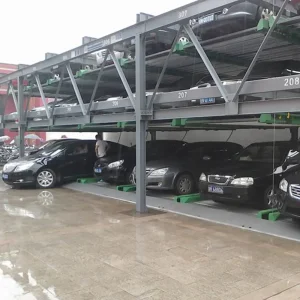
Core Specifications: 2 to 6-level options. Automated lateral and vertical vehicle sorting.
Best For: High-density commercial buildings and hospitals. A smart, cost-effective automated system that slides and lifts platforms dynamically to retrieve cars without moving the vehicles underneath.
Core Specifications: Closed-loop recycling, zero VOC emissions, uniform high-temp curing.
Best For: High-volume steel fabrication and mechanical component finishing. Delivers durable, rust-proof protective finishes for structural steel and equipment chassis.
The future of vertical lifting technology is defined by digitalization, connectivity, and automation. Modern systems are evolving from simple mechanical assemblies into intelligent, cloud-connected assets that share operational data in real time. We are committed to integrating next-generation automation across our product line:
By integrating smart sensors throughout lift mechanisms, we track temperature, hydraulic pressure cycles, alignment, and wear. This data is transmitted to central monitoring systems, allowing operators to run diagnostics and schedule maintenance before components fail.
As electric vehicles become the standard, parking systems must accommodate automatic charging. Our roadmap includes designing integrated wireways and heavy-duty, self-retracting charge cables to safely power vehicles parked across all lift levels.
For large-scale puzzle and automated stacker systems, AI algorithms analyze user schedules and retrieval habits. By pre-sorting vehicles based on predicted departure times, the system reduces wait times and optimizes energy consumption.
 Cherish