Rapid urban migration combined with explosive growth in private vehicle ownership has triggered an unprecedented spatial crisis in Africa's major urban centers. Nigeria, serving as the commercial engine of West Africa, faces a severe parking crisis in key cities such as Lagos (particularly Victoria Island, Lekki, and Ikoyi districts), Abuja (Central Business District, Maitama, Wuse), and Port Harcourt. According to municipal infrastructure studies, real estate developers in these high-value districts are confronted with staggering land costs exceeding $2,500 per square meter, making traditional horizontal parking lot layouts economically unfeasible.
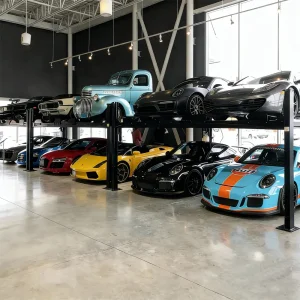
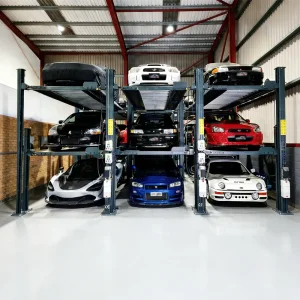
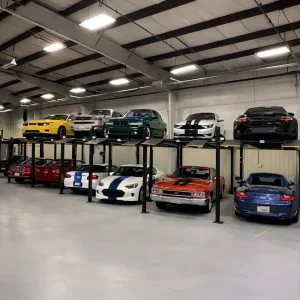
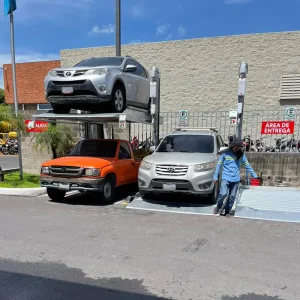
In response to this congestion crisis, developers, state planning departments, and municipal engineers are turning to mechanical car stackers and hydraulic parking systems. Stacker parking units multiply space capacity by utilizing vertical column designs. By shifting from horizontal surface spaces to vertical stacker modules, a commercial building can increase its parking density by up to 300% to 400% on the exact same structural footprint. This optimization not only lowers structural concrete costs but also boosts the market valuation of premium real estate properties throughout Nigeria by guaranteeing secure, off-street vehicle storage.
Unlike Western markets where power grids are stable and climate zones are temperate, parking equipment installed in Nigeria must be engineered to endure two specific local challenges: extreme humidity/saline air corrosion in coastal regions (Lagos Lagoon/Atlantic coast) and severe power fluctuations. Successful project execution requires mechanical hardware treated with marine-grade anti-corrosive powder coatings and hydraulic power units designed to operate reliably with diesel backup generators and automatic voltage stabilizers (typically configured for 3-phase 415V/50Hz supply).
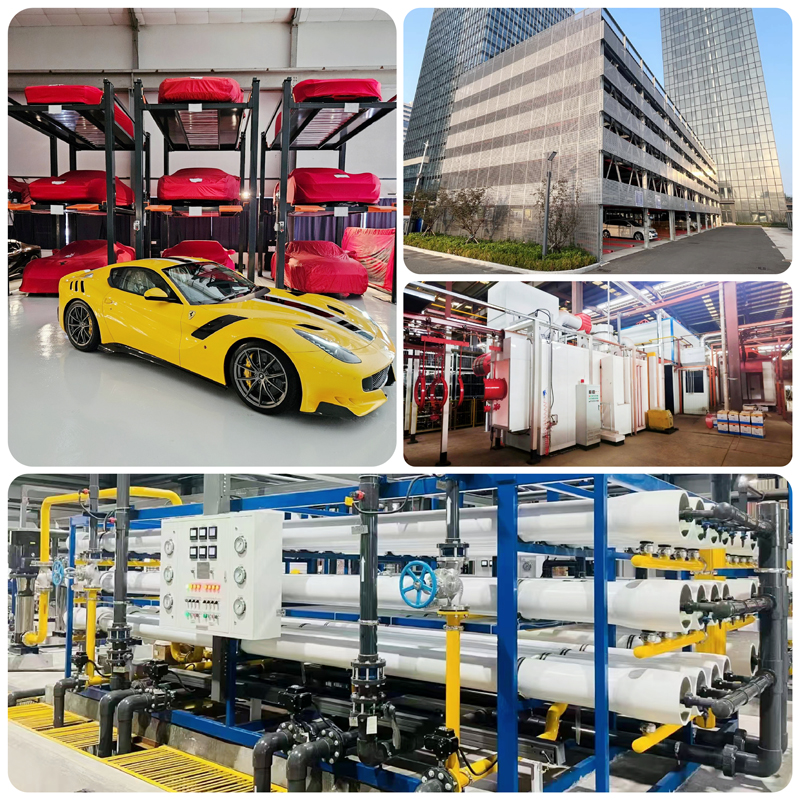
Qingdao Cherish is an integrated industry and trade enterprise dedicated to the design, manufacture, and global supply of intelligent parking equipment and industrial processing solutions. With strong engineering capabilities, modern manufacturing resources, and extensive international project experience, we deliver reliable systems that support modern urban infrastructure and industrial development worldwide.
Founded by a team of experienced engineers and international business professionals, the company was established with a clear mission: to provide efficient, durable, and sustainable equipment solutions through continuous innovation, precision manufacturing, and customer-focused service. From initial concept design and technical planning to production, delivery, and after-sales support, we ensure consistent quality and dependable performance throughout every project lifecycle.
Providing high-grade mechanical lifts across the US, Europe, Middle East, and Sub-Saharan Africa.
Modern industrial workshops housing advanced OTC robotic welding cells and large laser cutting stations.
Ensuring full compliance with international standards including CE, EN 14010, and ISO 9001 certifications.
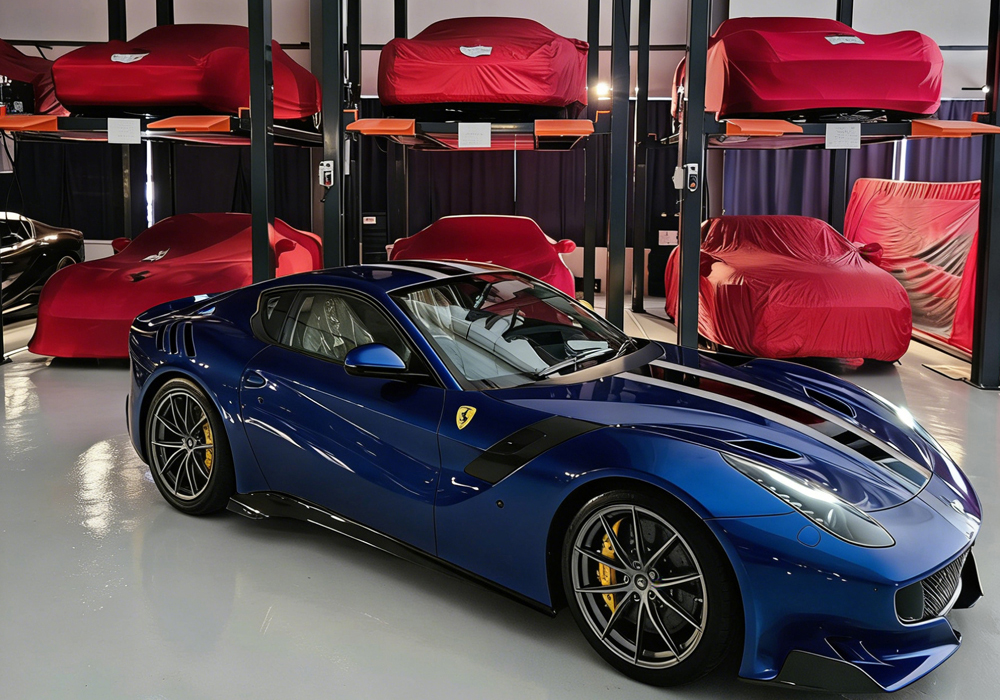
Our Parking Systems Division focuses on the development and production of car parking lifts, automated parking systems, car stackers, and customized parking solutions. Designed to maximize space utilization and operational efficiency, our systems are widely applied in residential buildings, commercial facilities, hospitals, and urban developments. Through continuous engineering innovation and strict quality control, we deliver safe, reliable, and space-saving parking solutions tailored to global project requirements.
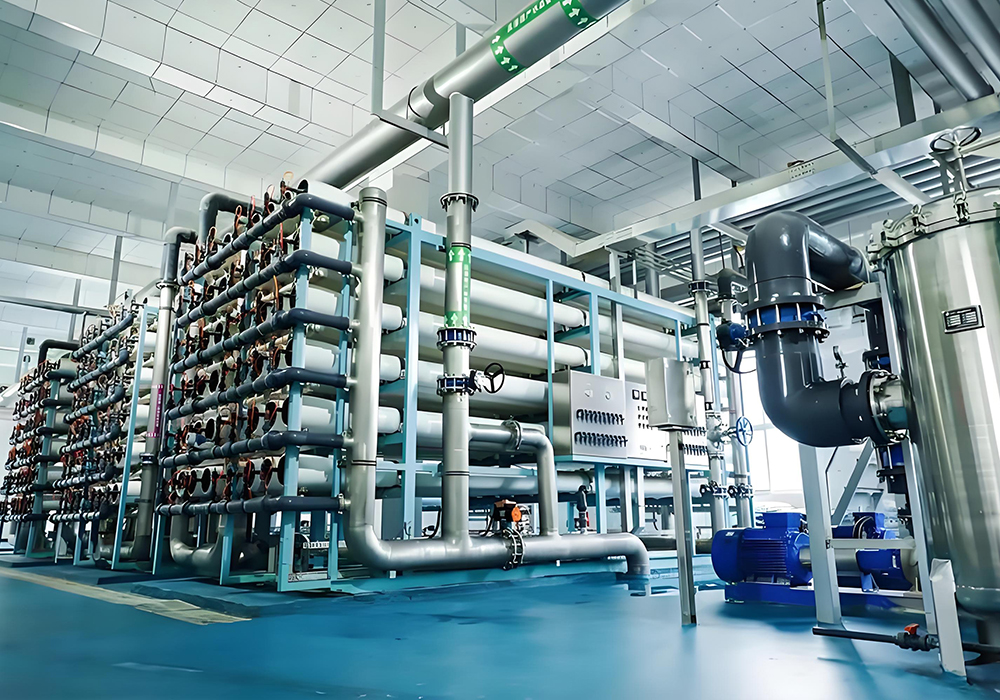
Our Industrial Equipment Division provides advanced powder coating lines and sewage treatment plant solutions for industrial applications. These systems are engineered to improve production efficiency, surface finishing quality, and environmental sustainability. By integrating automation technology with durable system design, we help clients optimize manufacturing processes while meeting modern environmental standards and regulatory requirements.
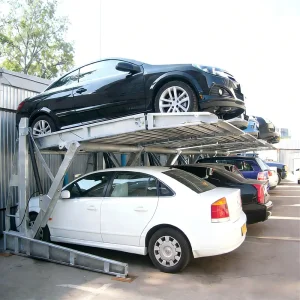
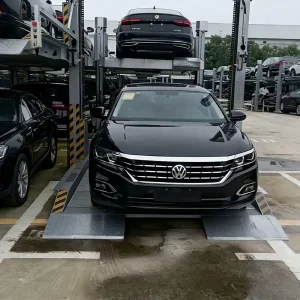
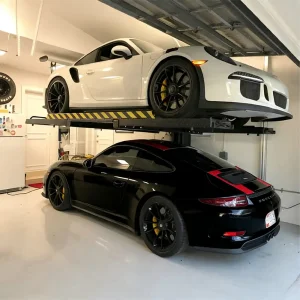
Why do global developers choose Chinese manufacturers, specifically from the industrial hubs of Qingdao, for critical structural engineering like parking lifts? The answer lies in the integration of specialized steel supply chains, high-tech manufacturing processes, and structural design optimization. At Qingdao Cherish, we utilize premium Q355B low-carbon structural steel. Q355B is selected for its high yield strength, excellent weldability, and resistance to cyclic mechanical fatigue under high loads. This ensures our structures can support SUVs and passenger cars weighing up to 3,000kg without dynamic deformation.
Our manufacturing advantages are driven by key technical highlights:
By optimizing production flows in Qingdao, we reduce unit fabrication costs by approximately 35% compared to European or North American manufacturers. These cost savings are directly passed on to our West African buyers, making premium structural steel parking systems accessible for private and public sector projects across Nigeria.
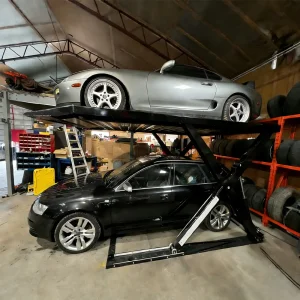
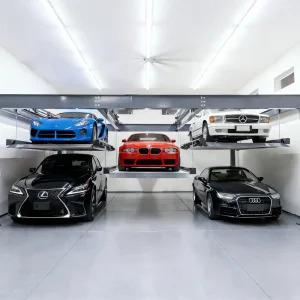
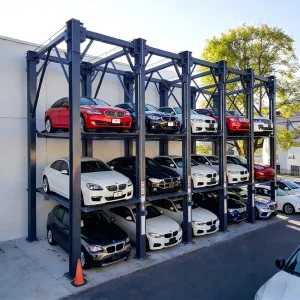
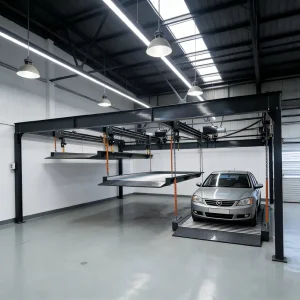
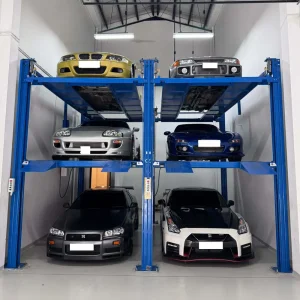
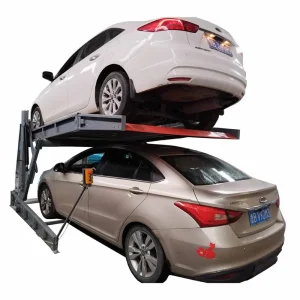
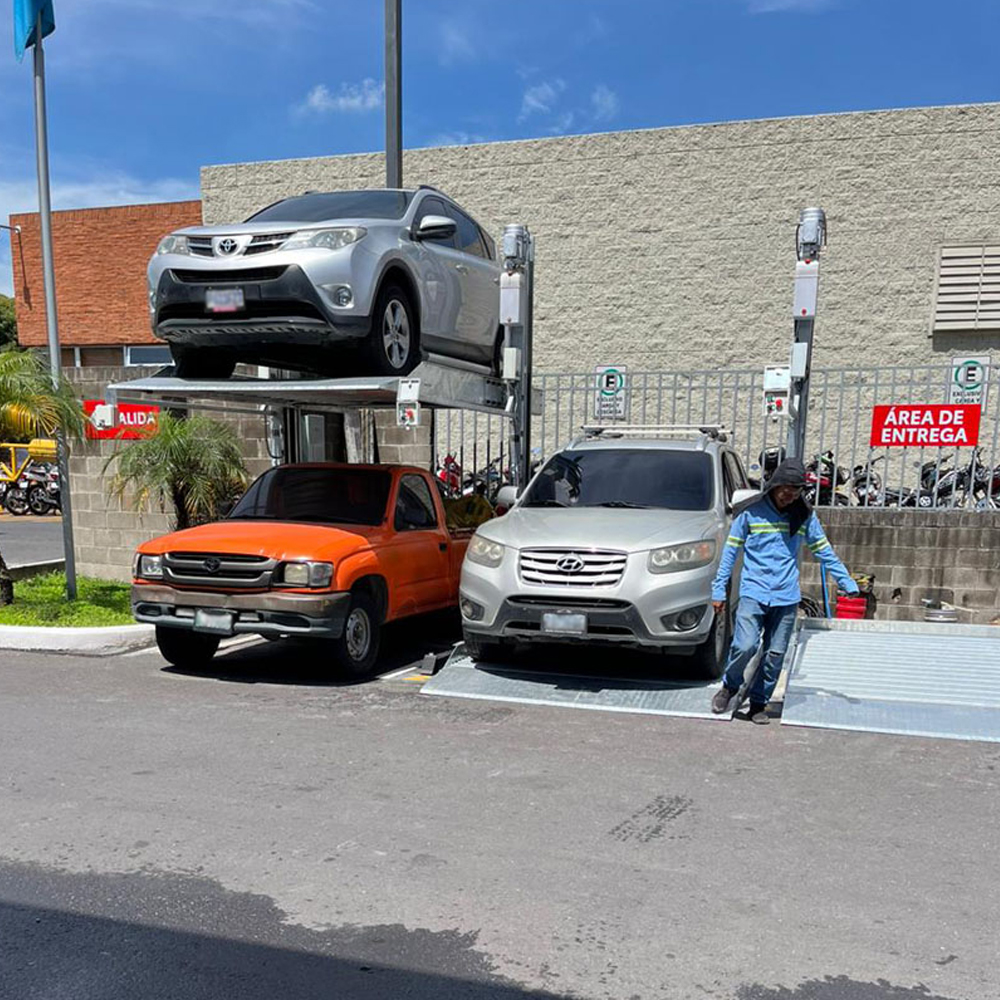
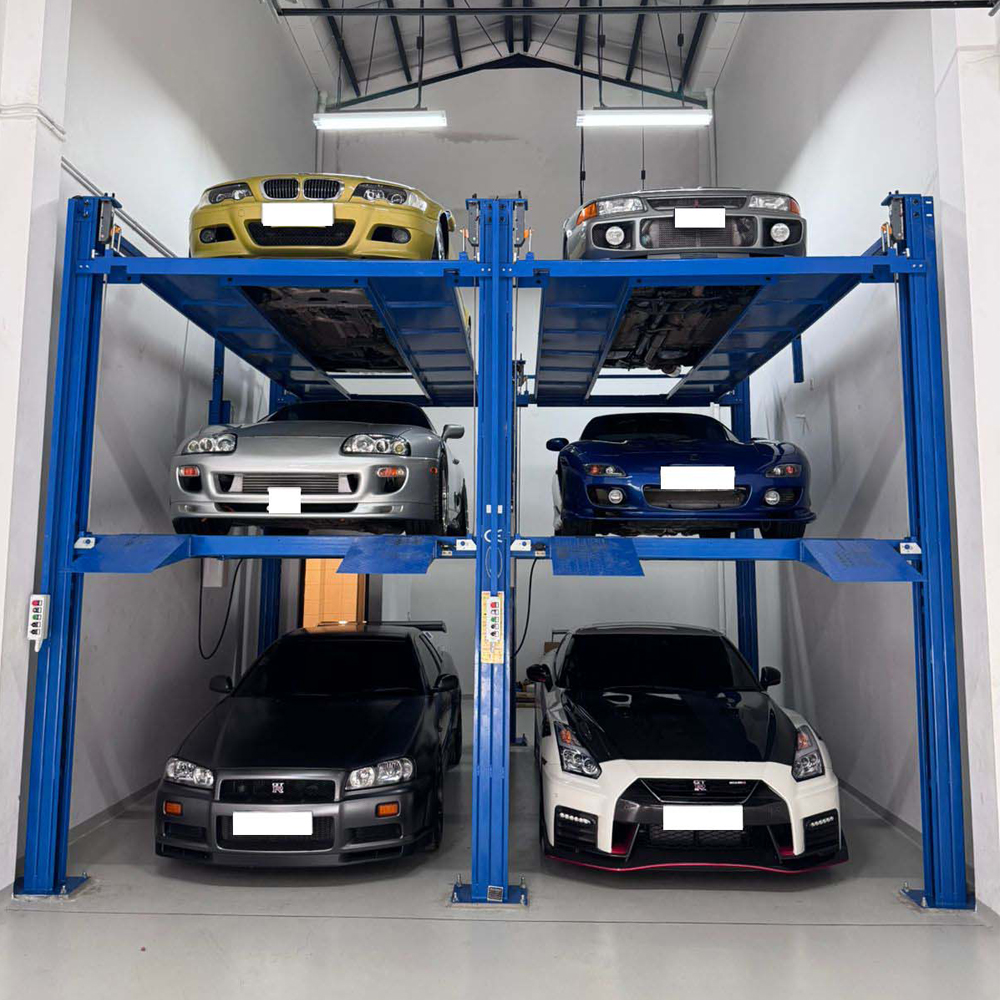
In locations like Lekki Phase 1, Ikoyi, and Ikeja GRA, developers are shifting away from allocating large surface areas to ground-level car park slots. By deploying double-level two-post stackers, duplex and triplex residential units can accommodate multiple vehicles per family on a single-car footprint. This leaves more space for green landscaping and community areas, enhancing the overall property value.
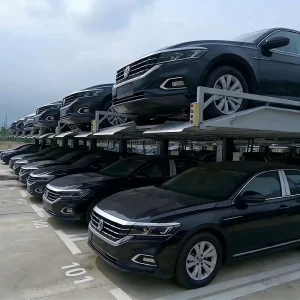
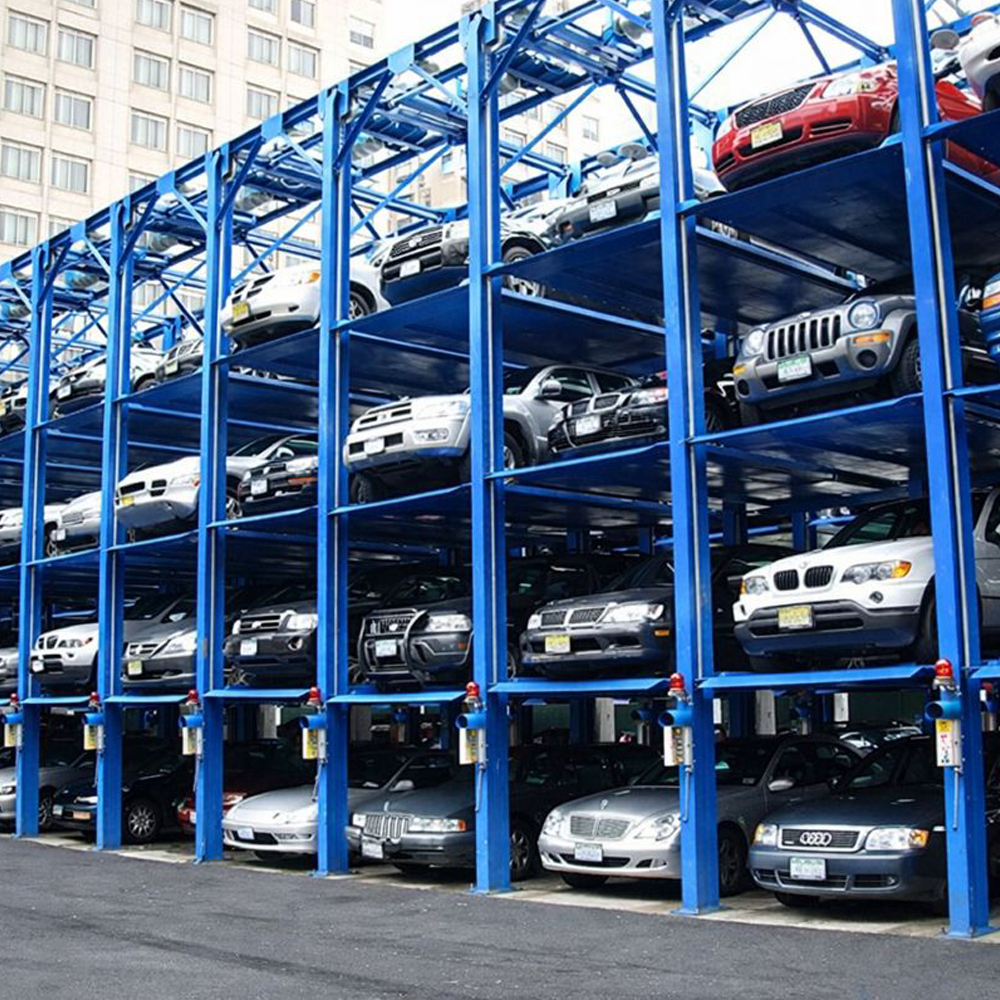
Corporate complexes in Central Business District (CBD) Abuja generate high-density visitor traffic. By utilizing multi-level puzzle parking systems (sliding mechanical platforms), parking space capacity can be dynamically managed. These automated systems rearrange vehicles horizontally and vertically, allowing drivers to park and retrieve cars via RFID cards or numeric entry keypads.
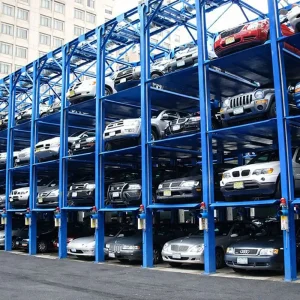
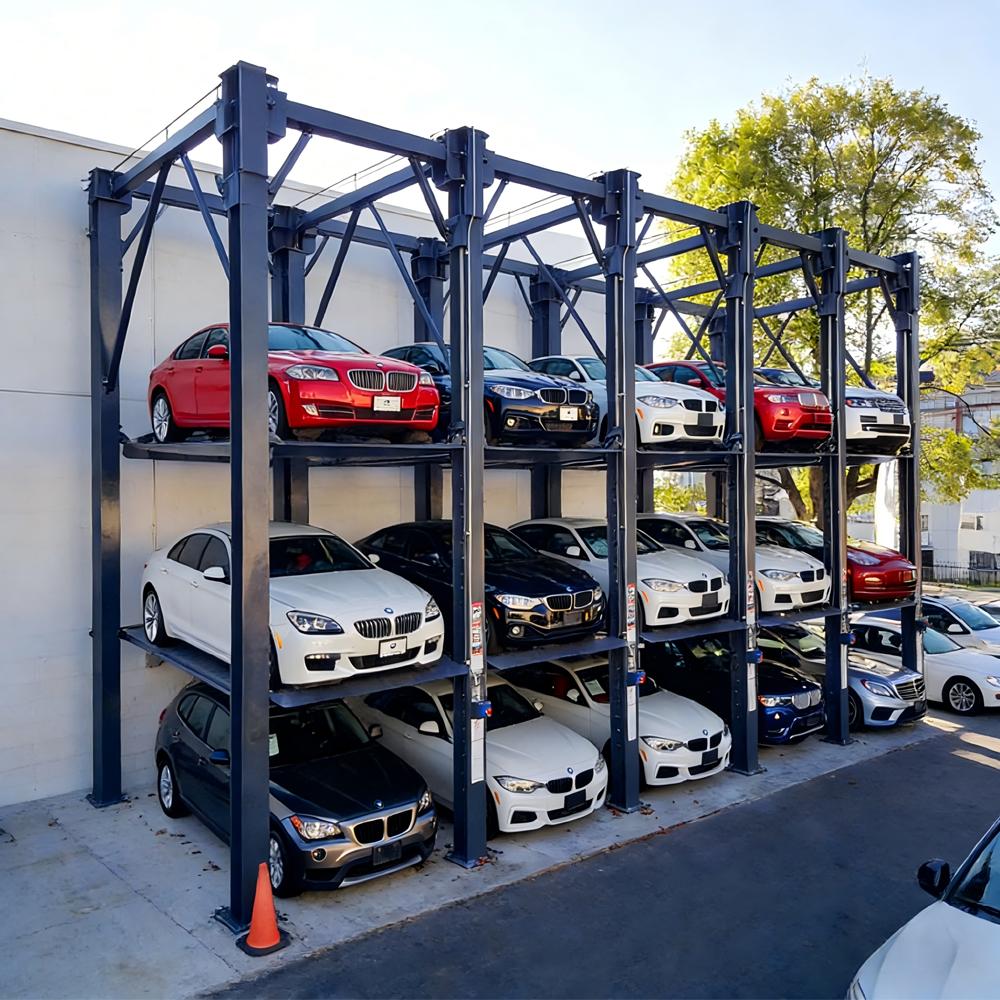
Nigeria's automotive import and distribution sector is concentrated around the ports of Lagos (Apapa/Tin Can Island) and urban dealership hubs. Dealerships frequently require space-efficient vehicle storage solutions. Quad-level four-post lifts enable distributors to stack luxury SUVs and sedans four-high inside warehouses or exterior yards, protecting inventory and maximizing the storage density per square meter.
The global mechanical parking industry is shifting toward smart, integrated networks. As African megacities transition to "smart city" layouts, mechanical stacker technology is evolving to include:
Enterprise procurement departments, municipal planners, and engineering firms must evaluate several critical technical variables when sourcing stacker parking equipment:
Purchasing agents must ensure that structural design drawings conform to European Standard EN 14010 (safety requirements for power-driven parking equipment). Choosing substandard equipment that lacks these engineering safety safeguards can result in structural failure and liability issues.
For double-level two-post stackers, the concrete pad must be a minimum of 150mm thick, composed of C25/C30 grade concrete, and reinforced with steel mesh. For heavy-duty triple and quad-level systems, the foundation depth must be at least 200mm to 250mm to safely anchor the structural expansion bolts. The installation slab must be fully cured, flat, and level to prevent structural misalignment during lifting operations.
Qingdao Cherish equips export units with heavy-duty control panels that run on standard three-phase (415V/50Hz) or single-phase (220V/50Hz) electrical power. To safeguard the hydraulic motors against voltage drops and power surges common in Nigeria, we recommend using an industrial AC voltage stabilizer and connecting the control panels to the building's diesel backup generator.
Coastal salt spray can accelerate rust on standard carbon steel. To address this, we apply an electrostatically cured powder coating to all steel parts after a shot-blasting pre-treatment. For outdoor applications in coastal regions, we recommend specifying hot-dip galvanized platforms, which provide a zinc barrier layer that offers long-term resistance to rust and oxidation.
Our hydraulic power units are built with manual emergency lowering valves. In the event of a power outage, operators can manually release the hydraulic pressure and lower the platforms safely to the ground. This system operates without electrical power, ensuring vehicles can be retrieved during blackouts.
We recommend a monthly visual check of safety locks, hydraulic hoses, and electrical cables. Every six months, maintenance teams should lubricate guide rails and chains and inspect hydraulic oil levels. A complete system check and hydraulic fluid flush should be conducted annually by certified local technicians to ensure long-term operational reliability.
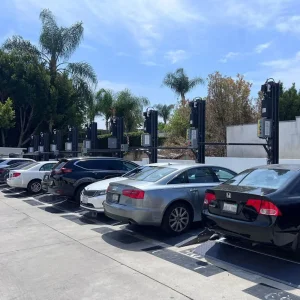
Get technical drawings, structural calculation reviews, and factory-direct pricing for standard and custom hydraulic car stackers. Our engineering team assists with layouts for projects in Lagos, Abuja, and globally.
Send Inquiry Now Cherish