Discover high-capacity, safe, and space-saving vertical lifting solutions manufactured in compliance with international standards.
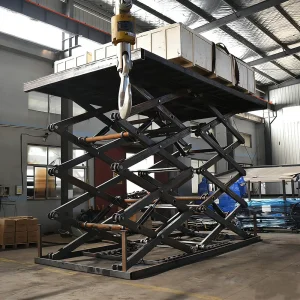
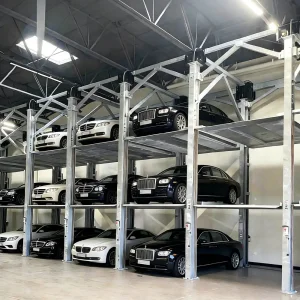
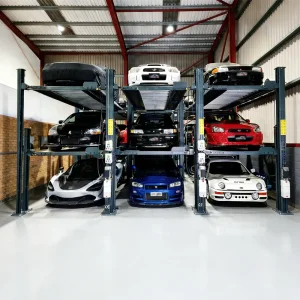
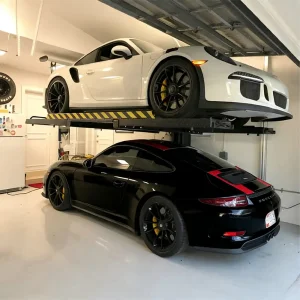
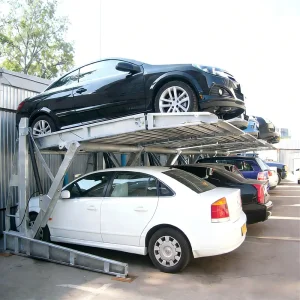
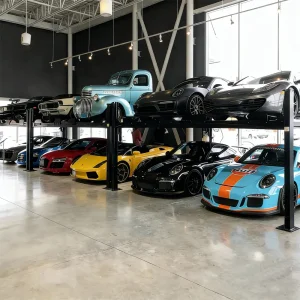
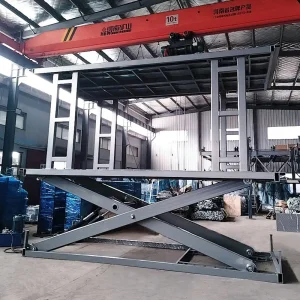
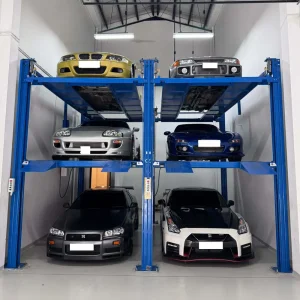
Qingdao Cherish is an integrated industry and trade enterprise dedicated to the design, manufacture, and global supply of intelligent parking equipment and industrial processing solutions. With strong engineering capabilities, modern manufacturing resources, and extensive international project experience, we deliver reliable systems that support modern urban infrastructure and industrial development worldwide.
Founded by a team of experienced engineers and international business professionals, the company was established with a clear mission: to provide efficient, durable, and sustainable equipment solutions through continuous innovation, precision manufacturing, and customer-focused service. From initial concept design and technical planning to production, delivery, and after-sales support, we ensure consistent quality and dependable performance throughout every project lifecycle.
Today, our business operates through two specialized divisions to better serve diverse market needs and provide focused expertise across different industries.
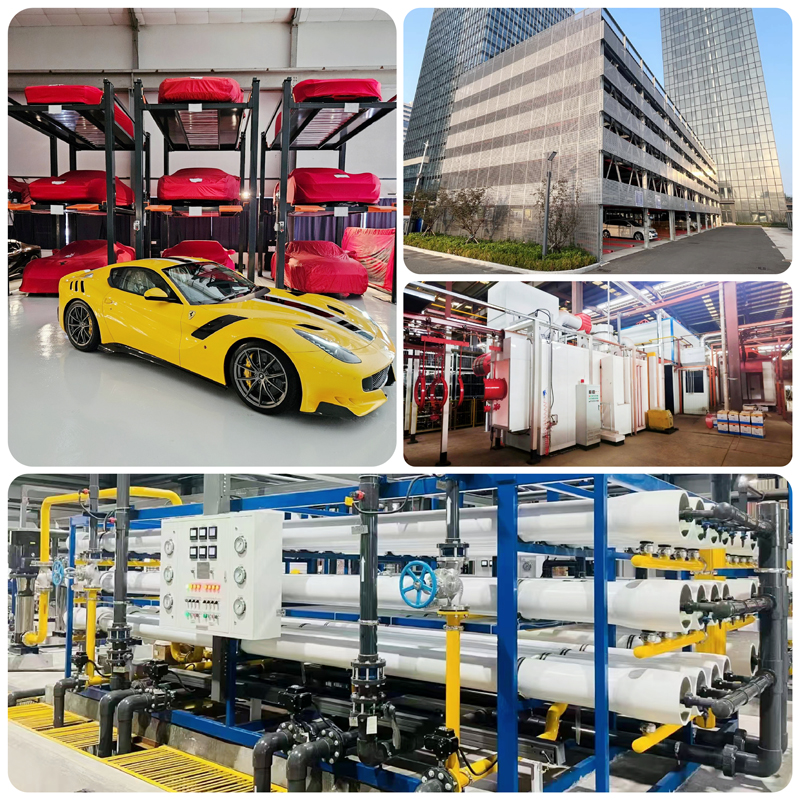
We balance strict engineering principles with advanced manufacturing pathways to design equipment that scales with your growth.
Our Parking Systems Division focuses on the development and production of car parking lifts, automated parking systems, car stackers, and customized parking solutions. Designed to maximize space utilization and operational efficiency, our systems are widely applied in residential buildings, commercial facilities, hospitals, and urban developments. Through continuous engineering innovation and strict quality control, we deliver safe, reliable, and space-saving parking solutions tailored to global project requirements.
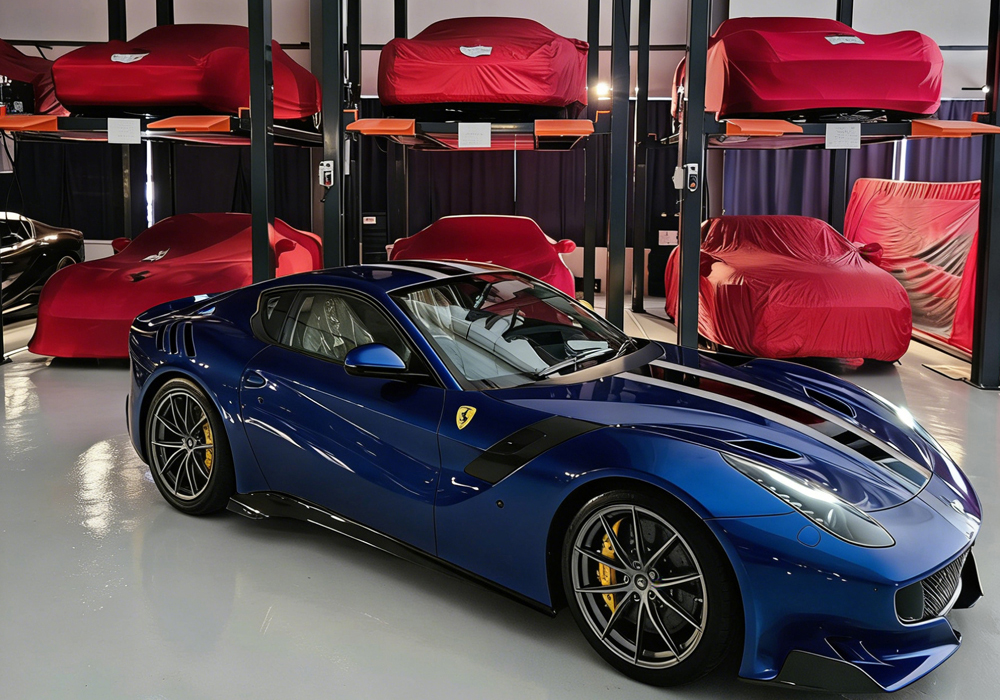
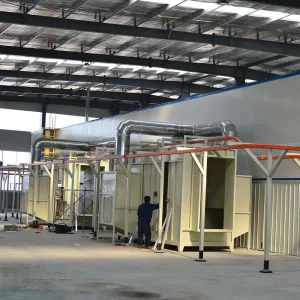
Our Industrial Equipment Division provides advanced powder coating lines and sewage treatment plant solutions for industrial applications. These systems are engineered to improve production efficiency, surface finishing quality, and environmental sustainability. By integrating automation technology with durable system design, we help clients optimize manufacturing processes while meeting modern environmental standards and regulatory requirements.
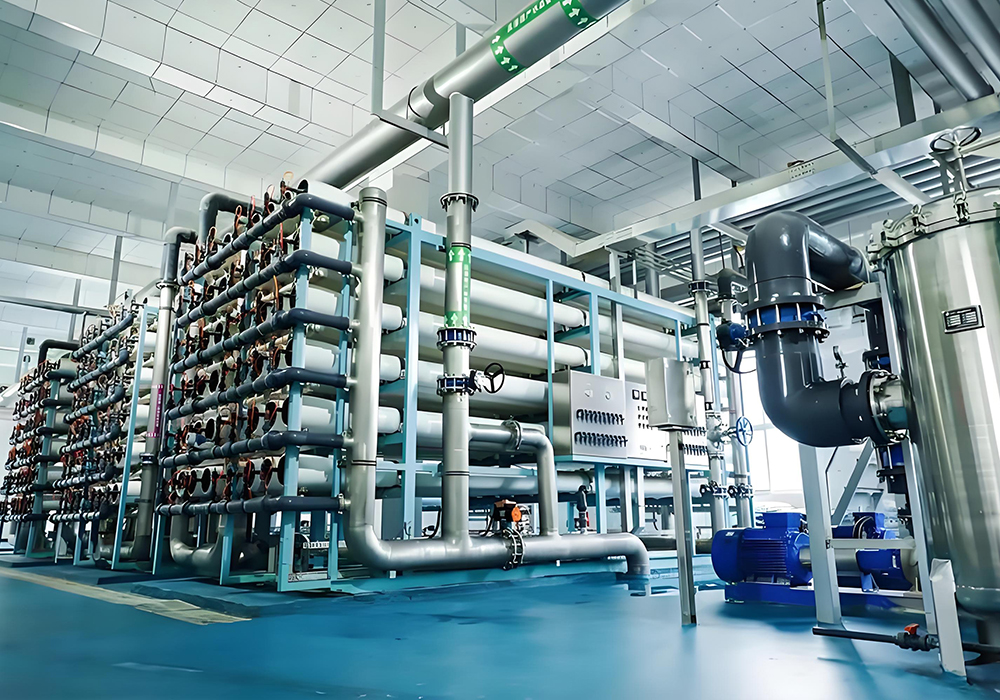
In the European Economic Area (EEA) and other global regions aligned with CE frameworks, vehicle lifts must comply with the EN 1493 standard. This directive governs the design, manufacturing, testing, and safety parameters of vehicle lifts. CE certification verifies that the lift has passed rigorous stress analyses, overload tests (typically 150% static load and 115% dynamic load), and incorporates redundant mechanical safety locks, descent control valves, and electrical shut-off features.
For procurement departments, purchasing a CE-certified lift is not just about regulatory compliance; it serves as proof of structural design validation. A 4-post lift undergoes mechanical stresses during operations. Standard compliance ensures the steel frames, hydraulic cylinders, and wire ropes are engineered with safety factors (often 3:1 or 4:1) to prevent catastrophic failure under full load conditions.
Calculating the space required for a 4-post lift requires planning around the "bounding box" of both the equipment and the target vehicles. The calculation process can be broken down into three dimensions:
| Dimension | Calculation Formula / Variable | Safety Clearance Margin | Key Considerations |
|---|---|---|---|
| Vertical Height (H) | HTotal = HLower Car + Platform Thickness + HUpper Car + Safety Buffer | Min. 100 mm - 150 mm (4-6 inches) | Must account for garage door tracks, light fixtures, and structural joists. |
| Total Width (W) | WTotal = Lift Outer Width + Access Clearances | Min. 600 mm (2 feet) on walking sides | Account for the position of the power unit, which adds 200-300mm to one post. |
| Total Length (L) | LTotal = Runway Length + Approach Ramp Length + Vehicle Overhang | Min. 900 mm (3 feet) front and rear clearances | Ensure the garage door can close while the ramp is deployed or vehicle overhangs. |
Unlike 2-post lifts that concentrate torque on a smaller base area, 4-post lifts distribute the weight across four contact points. However, a stable foundation is still required:
Qingdao Cherish manufactures parking solutions using local industrial infrastructure. Qingdao, as a major steel-processing hub and deep-water port city, offers direct access to key supply chain resources. This allows us to source structural Q355B steel, precision hydraulic components, and raw materials with minimal transit delays, reducing overall manufacturing lead times.
Our factory uses automated robotic welding systems, laser cutting machines, and a specialized shot-blasting and powder coating processing line. This automated approach ensures consistent structural components, uniform weld penetration, and corrosion protection. This level of quality control is necessary for lifts deployed in harsh coastal environments or cold climates where road salt is commonly used.
For global procurement departments, Cherish offers structural design modification, consolidated shipping, customized voltage configurations (e.g., 208V, 230V, 380V, 415V, 480V at 50/60Hz), and comprehensive international documentation. This ensures compliance with local import regulations and simplifies logistics.
We design and deliver equipment configured for the unique operational requirements, spatial constraints, and safety regulations of different regions.
For homeowners looking to store multiple vehicles in a limited footprint, height is the main constraint. We provide compact 4-post parking lifts and tilting lifts designed for ceiling heights as low as 2.8 meters. Our designs focus on quiet hydraulic power units, simple controls, and drip trays to prevent oil from dripping onto lower vehicles.
Commercial operators require rapid throughput, high durability, and low maintenance overheads. In these environments, we install multi-level stackers or puzzle parking systems that use PLC controls, photo-electric sensors, and heavy-duty structural steel to withstand constant daily cycles.
Outdoor and sub-surface installations require protection against water ingress and corrosion. We supply hot-dip galvanized finishes, IP65-rated control panels, and double-deck invisible pit lifts that keep vehicles hidden and protected beneath ground level.
A detailed look at the mechanics, operational limits, and primary applications of our core product line.
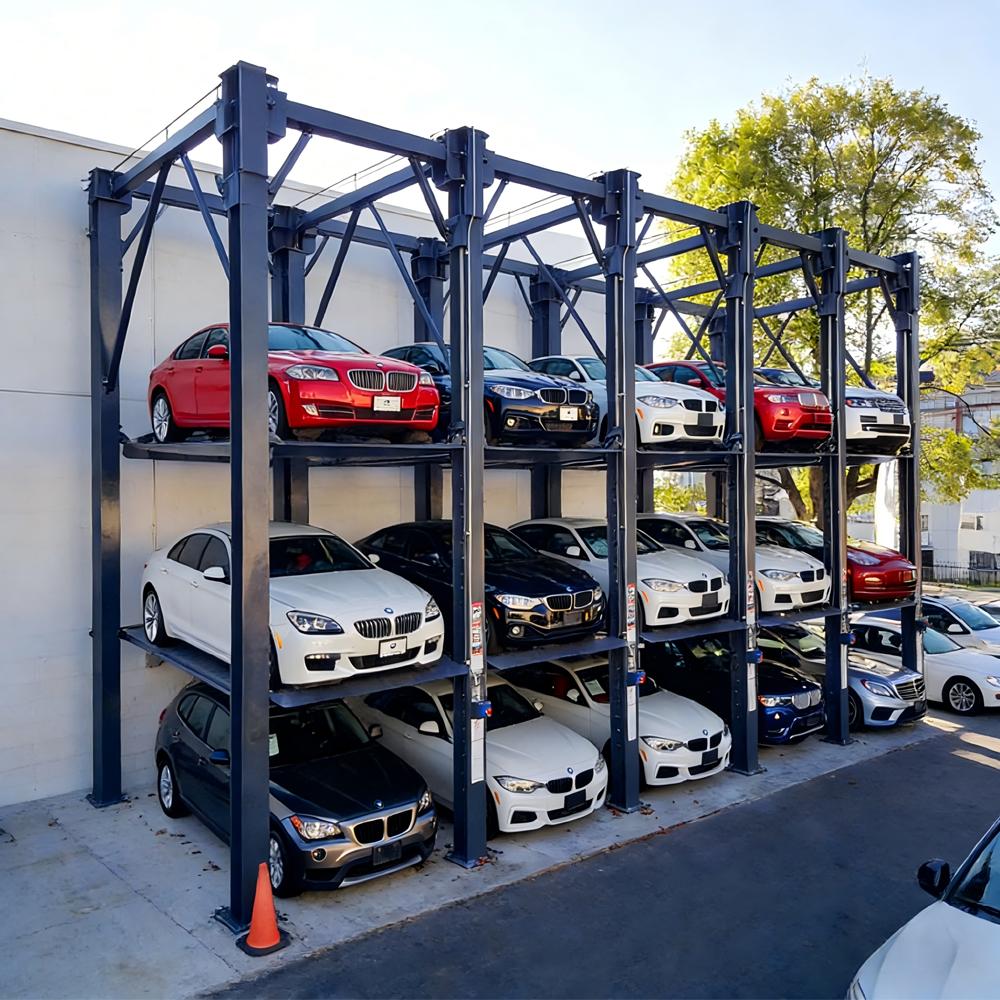
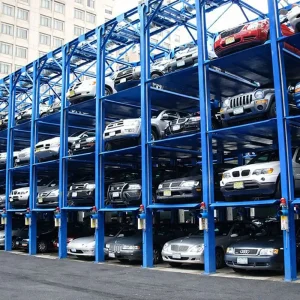
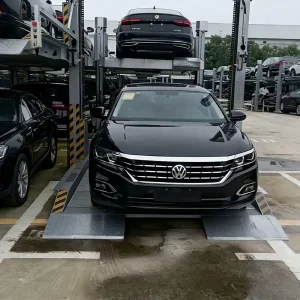
The Triple-Level Parking Lift is designed to maximize vertical space utilization. Engineered to accommodate both sedans and SUVs, this system allows operators to stack up to three vehicles within the footprint of a single parking space. The system is suitable for high-density vehicle storage facilities, commercial developments, and private garages with high ceilings. It features mechanical locking ladders on all four columns, structural steel construction, and a reliable hydraulic system.
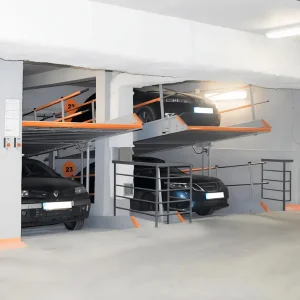
Our Double-Level 2-Post Car Parking Lifts are available in lifting capacities of 2300kg or 2700kg. With a maximum lifting height of 2100mm, they efficiently accommodate most standard consumer vehicles, including heavy SUVs. The 2-post design minimizes ground footprint compared to 4-post designs, keeping the drive-through path clearer. Operators should carefully verify ceiling clearances when planning indoor installations to ensure safe operation.
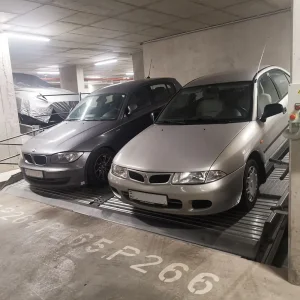
In basements or locations with low ceilings (between 2.6 to 2.9 meters), standard vertical stackers cannot operate. The Tilting Parking Lift offers a solution by tilting the upper platform at an angle. This allows the lower vehicle's hood to sit underneath the elevated platform. With adjustable lifting heights from 1400mm to 1800mm and a loading capacity of 2000kg, it provides parking space optimization in height-restricted areas.
The Multi-Level 2-6 Levels Automatic Puzzle Parking System is a cost-effective alternative to fully automated concrete parking garages. Using a grid-based mechanical frame, platforms shift vertically and horizontally (left and right) to retrieve any vehicle directly without needing to move the vehicles parked below it. Controlled via PLC with touch screens, keycards, or app integration, it is widely used in commercial developments and urban centers.
Powder coating represents one of the most advanced surface treatment technologies available today. Its primary environmental advantage is that it emits almost zero volatile organic compounds (VOCs). Compared to traditional liquid painting, powder coatings form a thicker, more uniform layer resistant to impacts, scratches, and chemical exposure, without dripping or running. The overspray powder can be captured and recycled, achieving nearly 100% material utilization. This reduces waste and lowers operating costs for manufacturers.
With increasing environmental regulations worldwide, effective industrial wastewater management is critical for manufacturing facilities. We provide modular sewage treatment systems, including pre-filtration, reverse osmosis (RO), ultrafiltration, and zero-liquid discharge (ZLD) systems. These solutions allow industrial enterprises to recycle water, process chemical runoff, and reduce their environmental impact.
Technological updates, changing vehicle dimensions, and regulatory shifts are redefining the requirements for vehicle lifting and parking infrastructure.
Electric vehicles (EVs) are significantly heavier than their internal combustion engine (ICE) counterparts due to large battery packs. This requires manufacturers to increase standard lifting capacities (e.g., from 2000kg to 2500kg or 3000kg) and modify platform structures to handle the wider distribution of weight.
Modern commercial lifts are increasingly integrating sensors to monitor hydraulic pressure, operational cycles, structural alignment, and safety lock engagement. This data is fed into predictive maintenance platforms, reducing down-time in busy parking operations.
Global safety bodies are tightening compliance checks. Lifts must meet updated safety standards, including dual-redundant mechanical locks, anti-drop valves, and low-voltage control panels (24V) to protect operators from electrical hazards.
Answers to common technical, structural, and regulatory questions from engineering and procurement teams.
The minimum ceiling height is determined by adding the height of the lower vehicle, the height of the upper vehicle, the platform thickness (typically 100 mm to 150 mm), and a safety clearance margin of 100 mm to 150 mm. For stacking two standard sedans (1.5 meters tall each), you need a minimum ceiling height of approximately 3.2 meters (10.5 feet). For stacking SUVs, this requirement can exceed 3.8 meters.
CE Certification verifies compliance with the EN 1493 safety standard. It ensures that the manufacturer has engineered and tested the lift's mechanical safety locks, hydraulic hoses, cylinders, and structural frame to withstand both static and dynamic overload conditions. It protects buyers by ensuring the equipment meets established safety standards and reduces liability risk in commercial installations.
While some light-duty residential 4-post lifts offer caster kits for mobility, commercial-grade, multi-level, or high-capacity lifts must be anchored to the floor using heavy-duty anchor bolts. Anchoring prevents the columns from shifting or walk-out due to dynamic loading forces, ensuring long-term structural alignment.
Most standard residential lifts operate on 220V single-phase power. However, commercial-grade, rapid-lift, or heavier stackers typically require 380V-480V three-phase power for efficient operation. Our factory configures the power unit's motor and control panel to match the specific voltage standards of your target country.
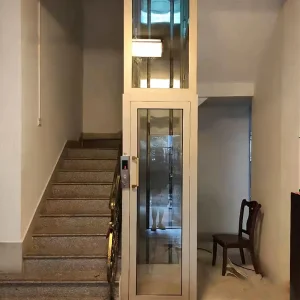
Explore additional customized machinery, space-saving double deck elevators, and specialized processing lines.
 Cherish