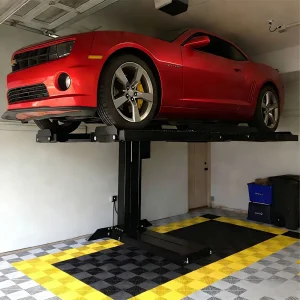
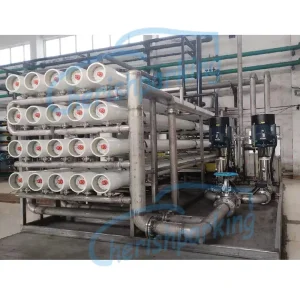
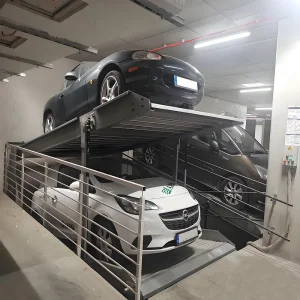
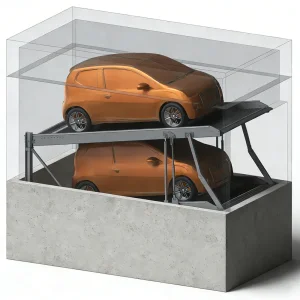
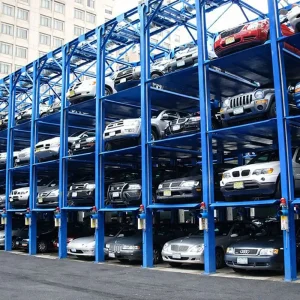
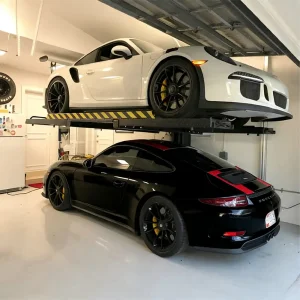
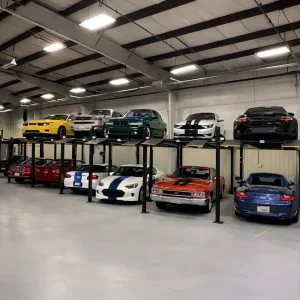
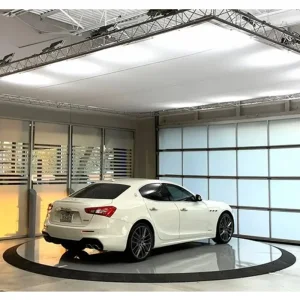
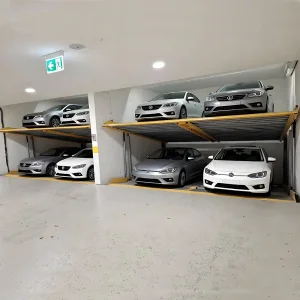
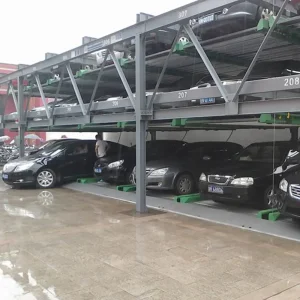
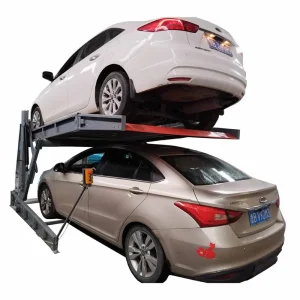
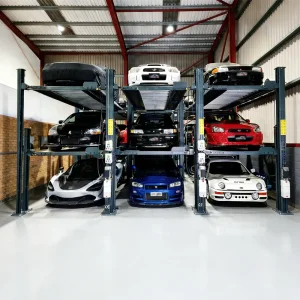
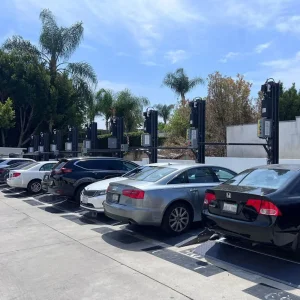
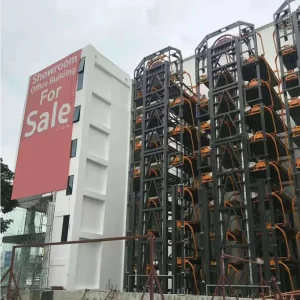
Explore our engineering line-up featuring space-optimizing car stackers and robust water treatment solutions designed to match your factory footprint.
A comprehensive analysis of space optimization, environmental integration, and safety compliance in modern industrial finishing.
In the competitive landscape of modern manufacturing, surface finishing plays a critical role in determining product durability, aesthetics, and overall market value. Among the various technologies available, the compact powder coating line stands out as a highly efficient, ecologically conscious, and space-saving alternative to traditional wet painting systems. By consolidating the essential stages of coating—surface pre-treatment, electrostatic application, powder recovery, and thermal curing—into a modular, optimized footprint, manufacturers can achieve superior finish quality without dedicating vast shop-floor acreage to massive conveyor systems.
For international procurement managers, compliance is a non-negotiable metric. CE Certification serves as the definitive passport for entering European and associated international markets. It ensures that the engineering, electrical layouts, control cabinets, and gas combustion systems of the powder coating line conform to strict health, safety, and environmental protection standards. An authentically certified line mitigates mechanical risks, minimizes environmental emissions, and protects operators in high-voltage and high-temperature environments.
To understand the efficiency of a compact system, we must examine its tightly integrated process flow:
Evaluating the supply chain efficiencies, design customization, and economic scale of leading Chinese coating equipment producers.
Leading industrial hubs in China, such as Shandong and Jiangsu, house complete ecosystems for steel fabrication, electronic component manufacturing, and thermal burner production. This direct access reduces raw material lead times and minimizes transportation overhead, resulting in substantial savings for global buyers.
Chinese manufacturers excel in tailored layout design. If a factory has low ceiling clearance, structural columns, or restricted floor space, engineering teams utilize 3D CAD modeling to adjust oven paths and spray booths, maximizing the throughput of custom compact lines.
Reputable Chinese factories prioritize CE and ATEX conformity. They utilize Siemens PLCs, Schneider electrics, and Riello burners to ensure their equipment complies with global safety protocols, providing peace of mind and simplified local regulatory approval.
Technological innovations shifting focus toward ecological responsibility, energy intelligence, and automated adaptability.
Modern compact lines are moving beyond manual control valves. The integration of IoT temperature sensors inside the curing oven allows real-time thermal profiling. Operators receive automated alerts if heat drops below the powder manufacturer's specified curing curve, preventing under-curing which leads to poor adhesion and finish brittleness.
Compared to solvent-borne liquid paints, powder coating is intrinsically eco-friendly, producing zero volatile organic compounds (VOCs). Future designs focus on reducing the thermal energy needed for curing, utilizing low-cure powder chemistries and hybrid infrared-convection heating systems to save up to 30% on fuel bills.
For contract coaters running diverse product lines, switching colors quickly is paramount. Modern powder booths feature high-gloss non-stick floor surfaces, fast clean recovery centers, and automated spray gun blow-down cycles that cut changeover times from 45 minutes down to less than 15 minutes, preserving production momentum.
Forward-thinking manufacturers buy compact lines configured as "expandable units". As production volume grows, the modular design allows for easy extension of the drying/curing ovens and the addition of automated reciprocators, transforming manual lines into semi-automatic layouts with minimal structural disruption.
How compact powder coating technology addresses complex finishing requirements across global manufacturing verticals.
High-reliability coating for alloy wheels, shock absorbers, brake calipers, and under-chassis components. Our lines provide precise control over film thickness, ensuring excellent corrosion resistance (salt spray testing up to 1000 hours) and stone-chip protection.
Tailored solutions for coating aluminum window frames, security screens, cladding panels, and industrial brackets. Integrated vertical or horizontal compact conveyors optimize the throughput of long, linear profiles.
Heavy-duty, durable powder layers applied to electrical cabinets, server racks, and warehousing shelves. The uniform powder distribution ensures that complex internal folds and corners receive full thickness protection.
In urban industrial parks across Europe, North America, and parts of Asia, commercial floor space commands a high premium. Traditional coating lines measuring over 50 meters in length are simply not viable. The compact powder coating line addresses this limitation by wrapping the conveyor track back through a common central partition. The curing oven and drying oven can share a single insulated wall structure, dramatically reducing thermal radiating loss while saving up to 40% of standard floor footprint.
Additionally, for remote mining and infrastructure projects, containerized or highly modularized powder coating booths can be assembled on-site. These pre-wired and pre-plumbed systems minimize installation time, allowing immediate localized operations for structural repairs and component refurbishment.
A systematic framework for technical buyers managing international equipment sourcing projects.
When evaluating proposals for a compact powder coating plant, smart purchasers look beyond the initial purchase price. The Total Cost of Ownership (TCO) includes utility consumption (electricity, gas, water), maintenance costs, spare part availability, and labor requirements.
| Evaluation Factor | Cheap, Non-Certified Line | CE Certified Compact Line | Operational Business Impact |
|---|---|---|---|
| Oven Insulation | 50-80mm low-density rockwool (leaks heat) | 100-150mm high-density mineral wool | Reduces energy consumption by up to 25% annually. |
| Control Safety | Basic electrical switches, no auto flame cutout | PLC touch panel, certified flame relays, safety lockouts | Ensures full compliance with localized factory insurance guidelines. |
| Powder Recovery | Simple manual collection, high powder loss | Integrated monocyclone & cartridge filtration | Recovers up to 98% of oversprayed powder, drastically lowering materials cost. |
| Component Lifespan | Unbranded components, quick degradation | Siemens PLC, Riello burners, Schneider components | Ensures easy sourcing of spare parts globally, avoiding downtime. |
Prior to shipment, professional factories perform a rigorous Factory Acceptance Test (FAT). This includes verifying electrical insulation resistance, test firing heating burners, and confirming variable speed settings for conveyor tracks. Sourcing teams should insist on complete documentation packages, including electrical schematics, burner compliance sheets, and detailed layout drawings.
Qingdao Cherish is an integrated industry and trade enterprise dedicated to the design, manufacture, and global supply of intelligent parking equipment and industrial processing solutions. With strong engineering capabilities, modern manufacturing resources, and extensive international project experience, we deliver reliable systems that support modern urban infrastructure and industrial development worldwide.
Founded by a team of experienced engineers and international business professionals, our company was established with a clear mission: to provide efficient, durable, and sustainable equipment solutions through continuous innovation, precision manufacturing, and customer-focused service. From initial concept design and technical planning to production, delivery, and after-sales support, we ensure consistent quality and dependable performance throughout every project lifecycle.
Become a Cherish Partner Today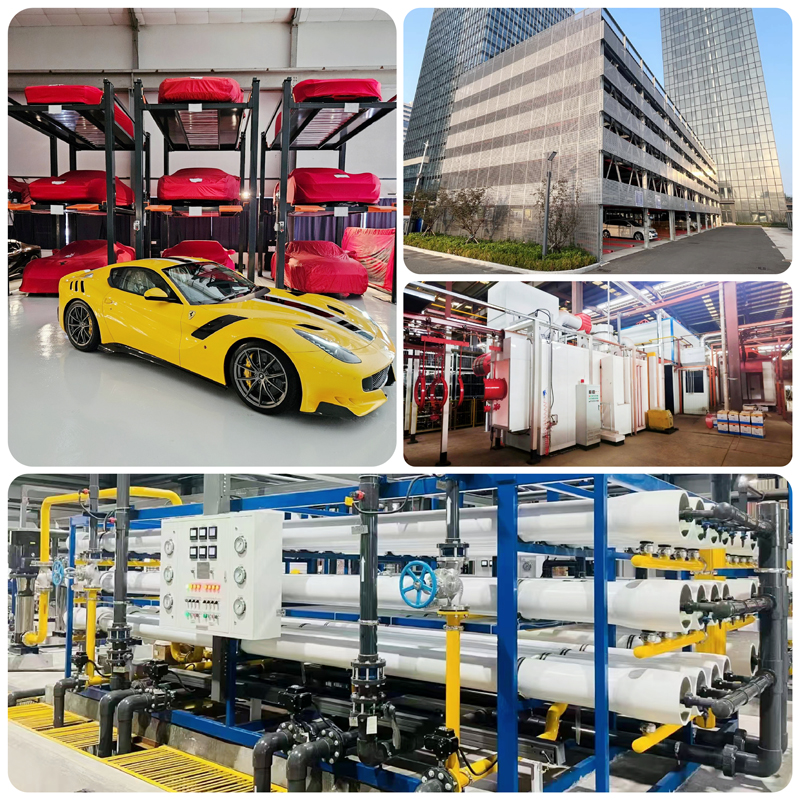
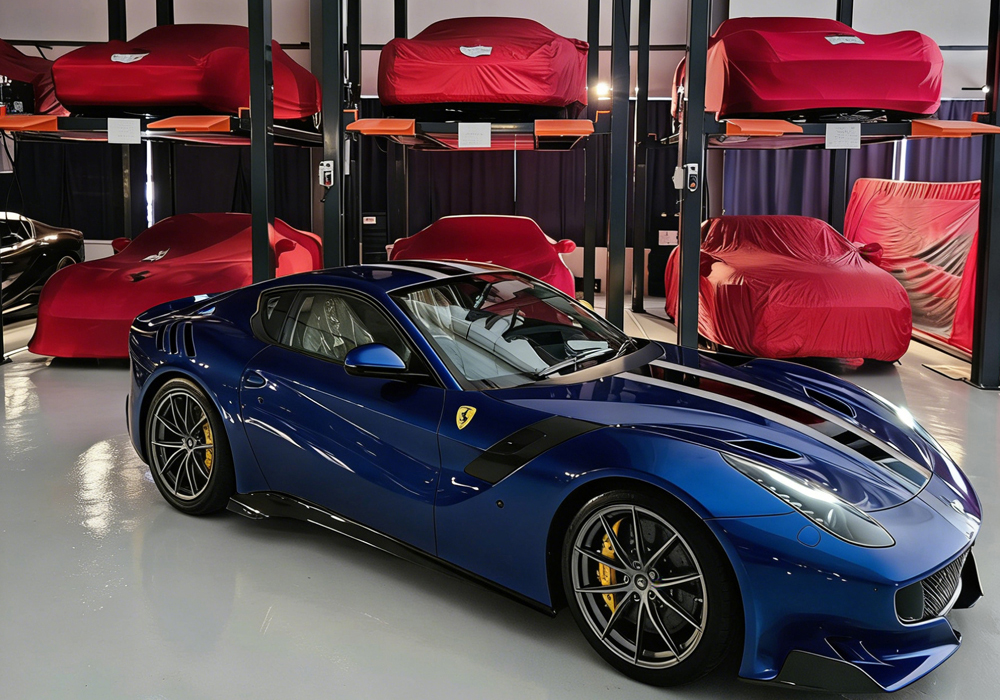
Our Parking Systems Division focuses on the development and production of car parking lifts, automated parking systems, car stackers, and customized parking solutions. Designed to maximize space utilization and operational efficiency, our systems are widely applied in residential buildings, commercial facilities, hospitals, and urban developments. Through continuous engineering innovation and strict quality control, we deliver safe, reliable, and space-saving parking solutions tailored to global project requirements.
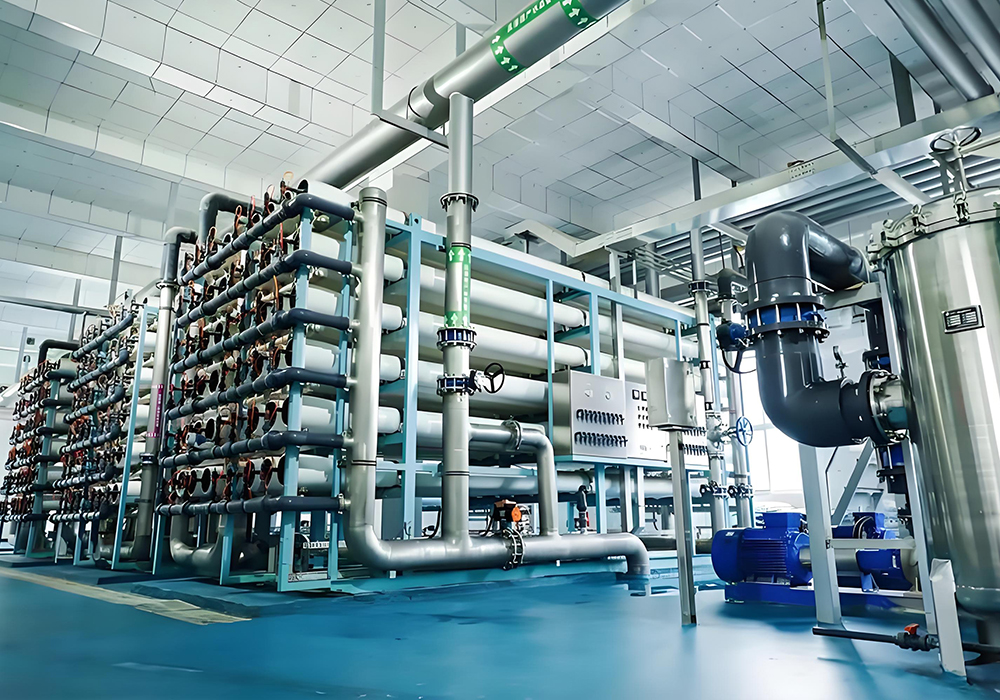
Our Industrial Equipment Division provides advanced powder coating lines and sewage treatment plant solutions for industrial applications. These systems are engineered to improve production efficiency, surface finishing quality, and environmental sustainability. By integrating automation technology with durable system design, we help clients optimize manufacturing processes while meeting modern environmental standards and regulatory requirements.
In-depth answers to common structural, heating, and regulatory questions from system operators and purchase managers.
Compact layouts are highly modular. A typical entry-level manual compact line can be fitted into an area as small as 12m x 6m x 3.5m (Length x Width x Height). Automated compact lines utilizing overlapping "U-turn" or "Gooseneck" configurations typically require at least 25m x 8m, which represents a 40% space saving compared to traditional linear setups.
CE Certification ensures that the system complies with EN 12981 (safety standards for spray booths) and the ATEX directive (preventing explosions from organic dust mixtures). In most Western countries, local safety boards and industrial insurers require official certification documentation before issuing operational permits and building approvals. Sourcing a pre-certified system reduces compliance risks and delays.
The choice depends on regional utility costs. Natural Gas and LPG are generally more cost-efficient for heavy production loads, providing rapid heating times. Electrical heating is clean, simple to install, and ideal for compact lines in areas where gas infrastructure is unavailable or where green energy tariffs are low.
For steel, a zinc-phosphate or iron-phosphate chemical pre-treatment provides optimal rust prevention. For aluminum substrates, a chrome-free chemical conversion coating ensures excellent adhesion without violating strict environmental discharge regulations. Compact systems often use multi-stage spray wands or simple immersion bath clusters to handle mixed production runs efficiently.
The exhaust fan pulls oversprayed powder towards the extraction filters. In monocyclone systems, centrifugal force separates heavy powder particles, allowing them to drop into a collection hopper for immediate reuse, while fine particles are caught by downstream cartridge filters. This process achieves a recovery rate of 95% to 98%.
Explore further configurations, multi-level rotary parking platforms, and customizable double-deck underground lift units.
 Cherish