Industrial processing machinery, advanced municipal infrastructure, and residential smart utility systems.
An in-depth analysis of technical innovations, ecological benchmarks, and global procurement criteria.
Decentralized wastewater management systems, commonly known as Home Sewage Treatment Plants (HSTPs), represent a crucial evolutionary leap from conventional, passive septic systems to active biological reactors. As governments globally enforce strict environmental codes to preserve groundwater tables, high-performance home sewage treatment plant manufacturers are designing modular systems that convert raw domestic effluents into safe, non-potable water. These systems play an essential role in municipal planning, rural electrification, off-grid commercial spaces, and residential villa development programs.
The global decentralized wastewater market is transitioning from legacy anaerobic septic systems to multi-stage biological purification structures. The primary catalyst is the demand for higher purification standards. Modern systems are characterized by three significant structural trends:
Integrates PLC boards with cloud-based diagnostic networks. Operators and homeowners receive real-time updates regarding biological dissolved oxygen (DO), pump duty cycles, and sludge levels, which simplifies preventative maintenance programs.
Standard municipal regulations now demand the reduction of nitrogen and phosphorus. Advanced residential treatment plants use cyclic aerobic/anoxic stages to foster nitrifying and denitrifying bacteria, mitigating eutrophication in nearby waterways.
By leveraging high-surface-area carrier media, manufacturers have reduced the required reactor tank volume. This permits clean installations in tight spaces, preserving residential landscaping designs.
High-quality sewage systems utilize distinct technical pathways to achieve biological purification. Understanding these configurations is vital for developers evaluating long-term performance assets:
For multinational real estate conglomerates, resort developers, and municipal planners, sewage treatment systems represent a key capital expenditure (CAPEX) with long-term operational cost (OPEX) ramifications. Selecting an HSTP manufacturer requires rigorous structural evaluations:
Qingdao Cherish is an integrated industry and trade enterprise dedicated to the design, manufacture, and global supply of intelligent parking equipment and industrial processing solutions. With strong engineering capabilities, modern manufacturing resources, and extensive international project experience, we deliver reliable systems that support modern urban infrastructure and industrial development worldwide.
Founded by a team of experienced engineers and international business professionals, the company was established with a clear mission: to provide efficient, durable, and sustainable equipment solutions through continuous innovation, precision manufacturing, and customer-focused service. From initial concept design and technical planning to production, delivery, and after-sales support, we ensure consistent quality and dependable performance throughout every project lifecycle.
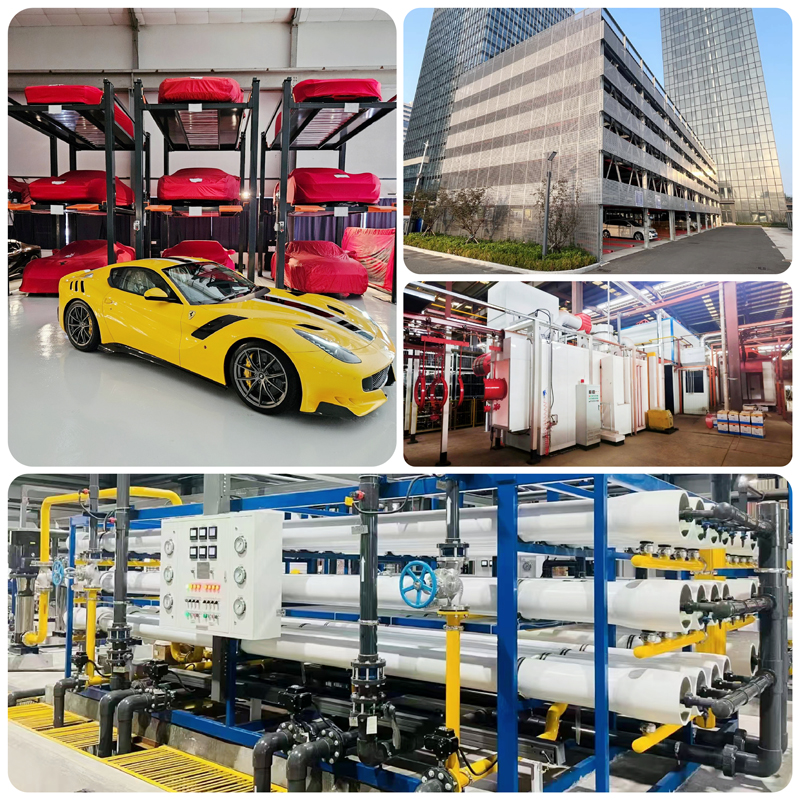
Today, our business operates through two specialized divisions to better serve diverse market needs and provide focused expertise across different industries.
Guided by our core values — quality, innovation, reliability, and long-term partnership — Qingdao Cherish has steadily expanded its presence across international markets. We are committed to delivering cost-effective solutions, professional technical support, and long-term value to partners worldwide.
Looking ahead, we aim to become a trusted global provider of intelligent parking and industrial engineering solutions, contributing to smarter cities and more sustainable industries.
Ensuring compliance with localized environmental mandates, certification structures, and installation requirements.
Rapid urban development and industrialization require comprehensive water management systems. Rather than operating as isolated systems, decentralized home sewage treatment plants are increasingly integrated into broader regional water conservation programs. These programs include:
Wastewater composition and environmental regulations vary significantly by region. A premium global manufacturer must address local compliance requirements through tailored system calibrations:
The next generation of home sewage treatment plants will focus on energy neutrality and resource recovery. Future designs will transition from consuming power to actively recovering energy, nitrogen, and phosphorus. Key developments include:
Utilizing low-wattage, direct-current (DC) brushless air pumps and aeration devices that draw power directly from residential solar panels, allowing off-grid installation.
Implementing targeted anaerobic/aerobic cycling to foster phosphate-accumulating organisms (PAOs). This process allows phosphorus removal without chemical dosing.
Integrating chemical sensors with variable-frequency drive (VFD) blowers. The system adjusts oxygenation levels based on real-time biological demand, minimizing energy usage.
Detailed performance specifications and configuration options for our engineering solutions.
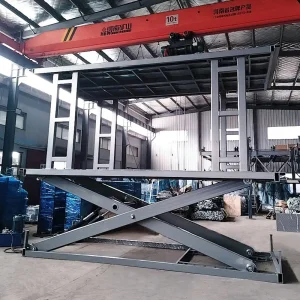
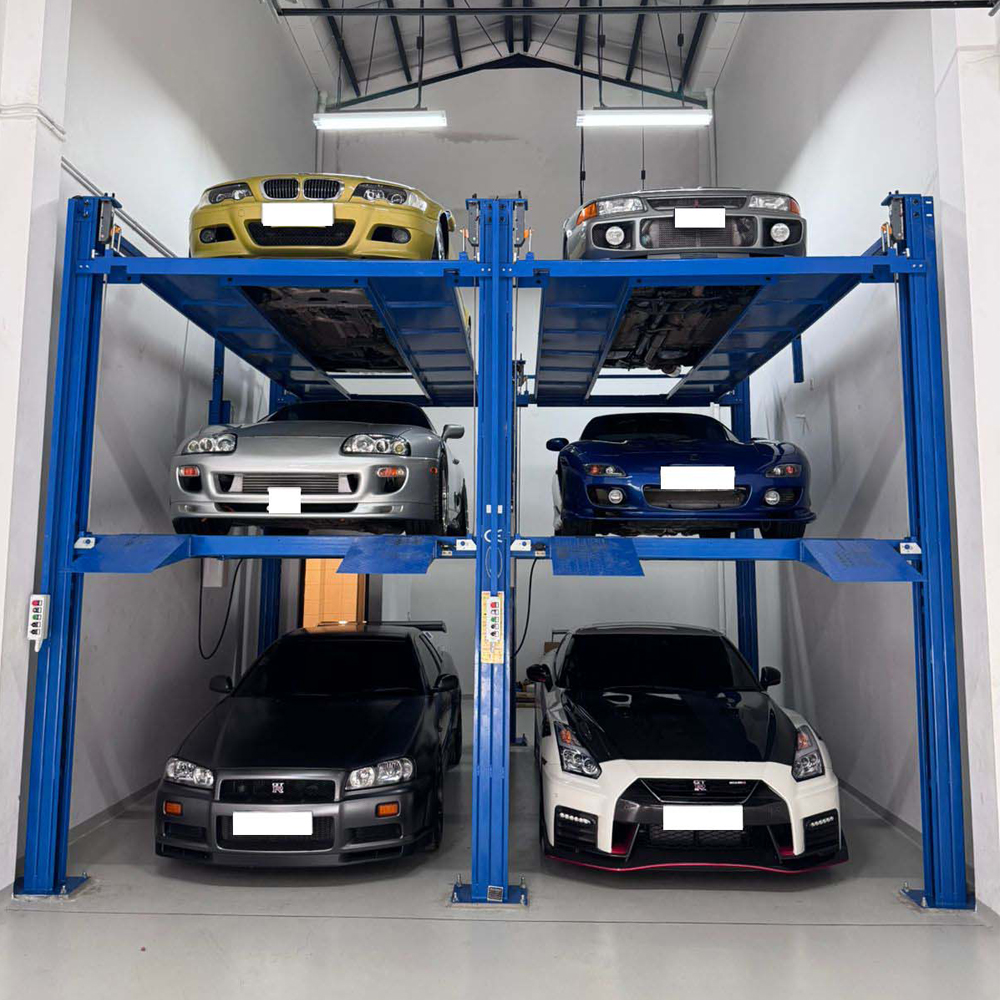
The Triple-Level Parking Lift is a game-changer for maximizing parking space. Designed to accommodate both sedans and SUVs, this lift offers a practical solution for those seeking efficient car storage. Whether you’re a homeowner looking to make the most of a limited garage or a business looking to optimize parking in a commercial setting, this lift makes parking and retrieval easy and convenient.
With its durable construction and space-saving design, the Triple-Level Parking Lift is ideal for any environment where parking space is at a premium. Say goodbye to cramped spaces and hello to smart, effortless parking!
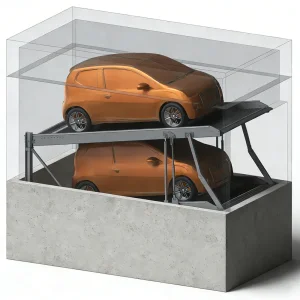
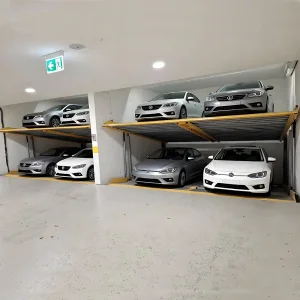
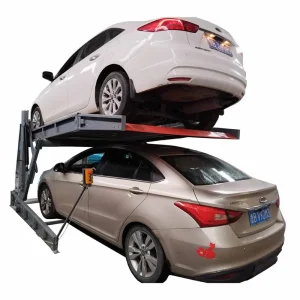
The Double-Level 2 Post Car Parking Lift offers different loading capacities of 2300kg or 2700kg, catering to your specific parking needs. With a maximum lifting height of 2100mm, it efficiently accommodates most of vehicles while optimizing available space. The height of their columns may vary, so it’s important to consider the ceiling height, especially if you plan to install it indoors.
This lift is ideal for both residential and commercial applications, providing a reliable solution for parking two vehicles in the same footprint. Make the most of your space without compromising on convenience or safety.
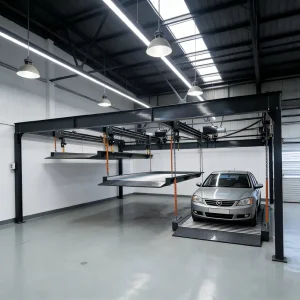
The Tilting Parking Lift is the perfect solution for spaces with low ceilings, such as basements. Its unique design allows the platform to tilt at an angle, optimizing parking in tight spaces. With an adjustable lifting height ranging from 1400mm to 1800mm, it offers flexibility to suit different vehicle sizes and parking requirements.
With a maximum loading capacity of 2000kg, this lift ensures safe and efficient storage for your car. Ideal for both residential and commercial applications, the Tilting Parking Lift provides a space-saving, practical solution for parking in areas where conventional lifts may not fit.
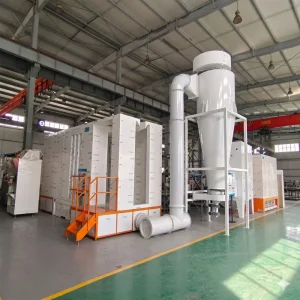
Powder coating lines represent one of the most advanced coating technologies in the world today. Their primary advantage lies in emitting little to no volatile organic compounds (VOCs). Compared to traditional liquid coatings, powder coatings can form more uniform and thicker layers without issues like dripping or sagging. Additionally, over spray from powder coatings can be efficiently recycled, achieving nearly 100% material utilization and significantly reducing waste.
Powder coating lines generate less hazardous waste and have lower capital investment and operational costs compared to traditional liquid coating lines. Powder-coated surfaces exhibit superior consistency in appearance between horizontal and vertical surfaces, and they can easily achieve a variety of special effects that are difficult to replicate with other coating processes.
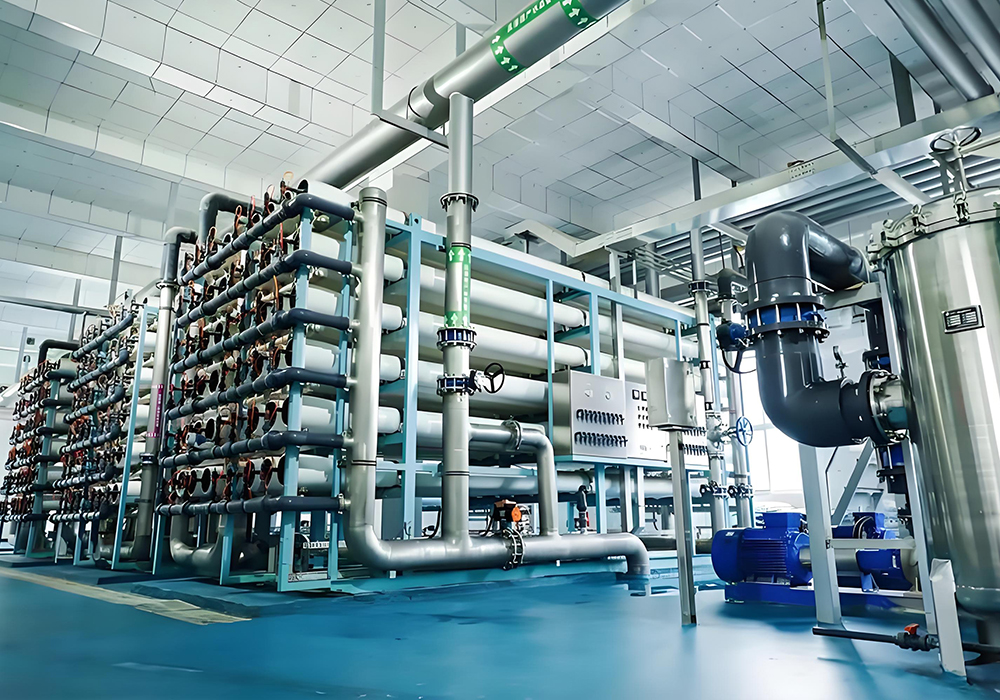
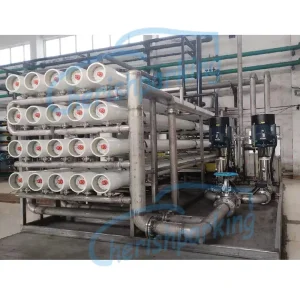
With the acceleration of urbanization and the rapid development of industrialization, sewage or wastewater treatment plants have become critical components of environmental protection efforts. We are committed to providing efficient and reliable diversified solutions, including industrial wastewater and domestic sewage recycling, water reuse, and zero-discharge treatment systems.
We offer full membrane and reverse osmosis desalination systems, as well as pre-treatment filtration equipment for seawater desalination, pure water, and ultra-pure water. Through innovative technologies, we aim to support sustainable water resource management and contribute to global environmental protection.
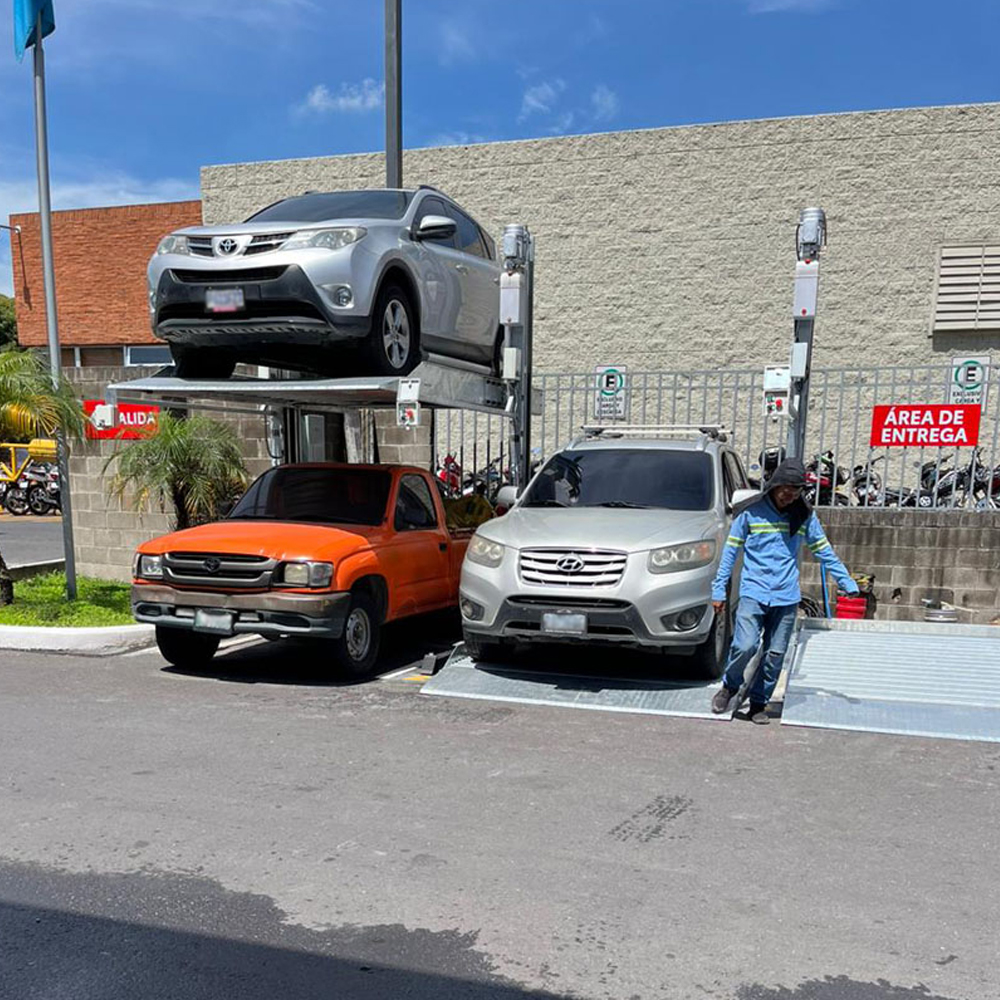
We have successfully completed numerous projects worldwide with our parking lifts, serving customers across the USA, Italy, Mexico, Colombia, Guatemala, France, Serbia, and beyond. Our lifts are versatile, with some clients using them outdoors and others installing them indoors, depending on their needs. To ensure durability and aesthetic appeal, we offer customizable surface treatments, including powder coating and galvanizing, based on customer preferences. Whether for residential or commercial use, our two-post parking lifts provide a reliable, efficient, and tailored solution for maximizing parking space in various environments worldwide.
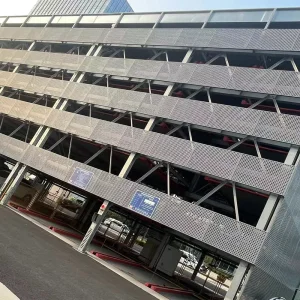
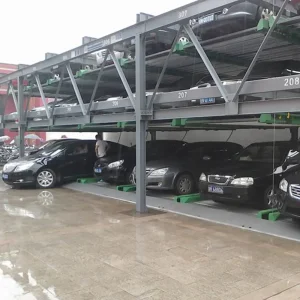
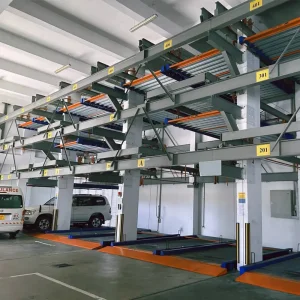
The Multi-Level 2-6 Levels Automatic Puzzle Parking System is a highly popular and cost-effective solution compared to other automatic parking systems. Designed for both indoor and outdoor use, this system maximizes parking space by stacking vehicles in multiple levels. It is fully customizable to fit your available land area, ensuring efficient use of space. The system can accommodate a wide range of vehicles, including sedans and SUVs, making it suitable for most cars. With its automated operation and space-saving design, the Multi-Level Puzzle Parking System offers a reliable and practical solution for both residential and commercial parking needs.
Answers to common questions regarding home sewage treatment plant engineering, configuration, and compliance.
Explore our complete range of certified automated parking platforms and industrial machinery.
 Cherish