 Cherish
Whitepaper: The Architecture of Vertical Space Optimization
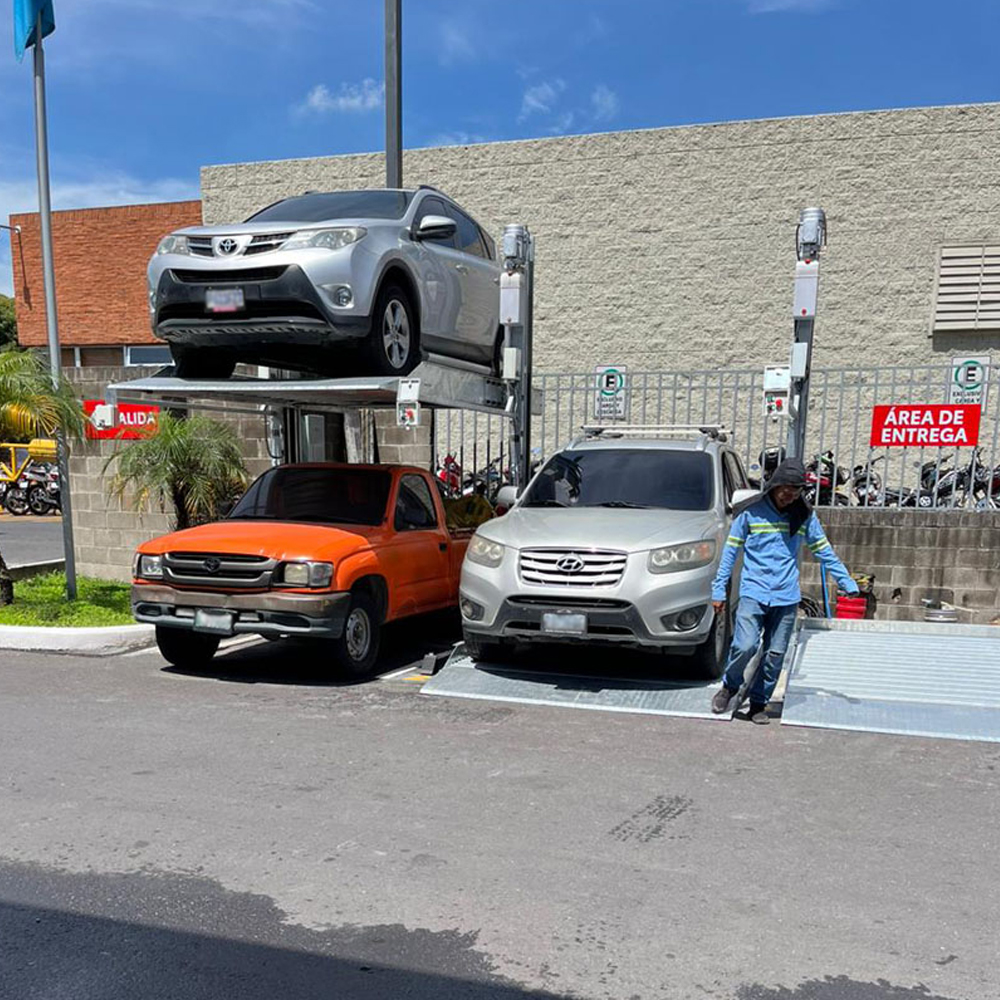
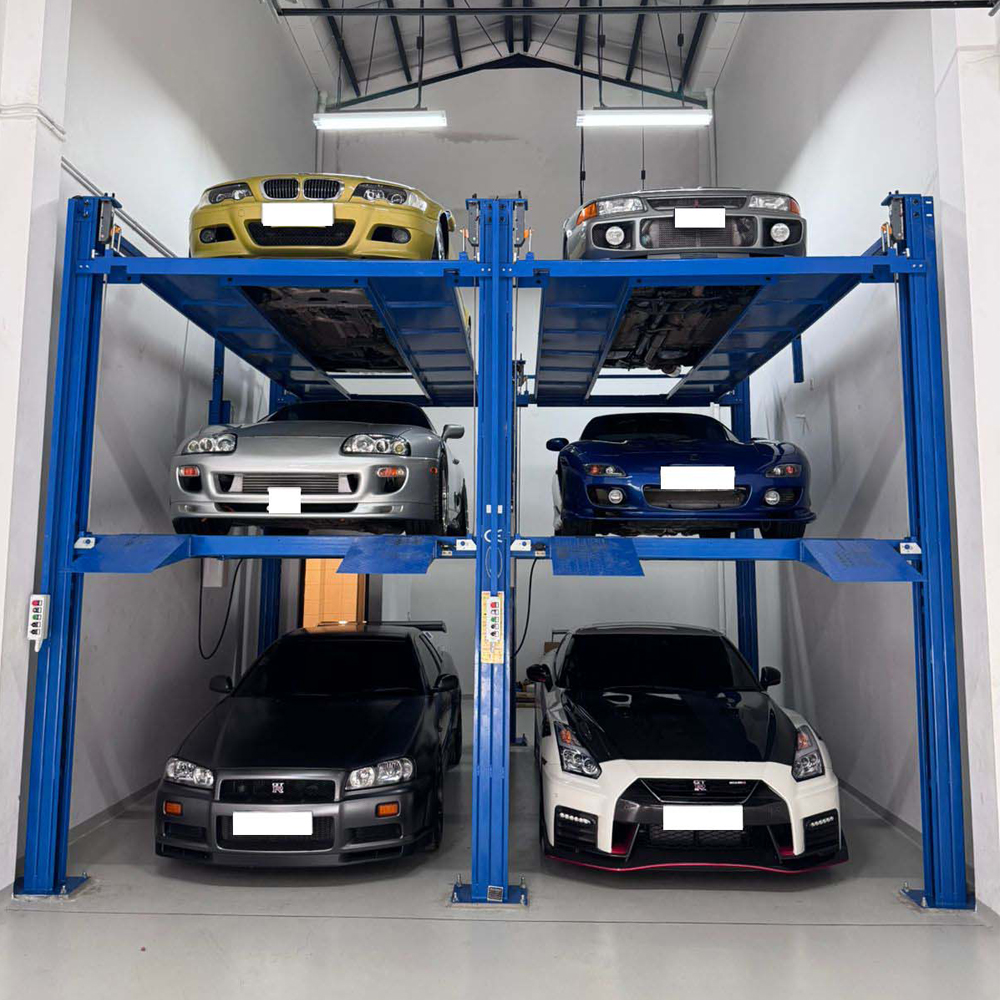
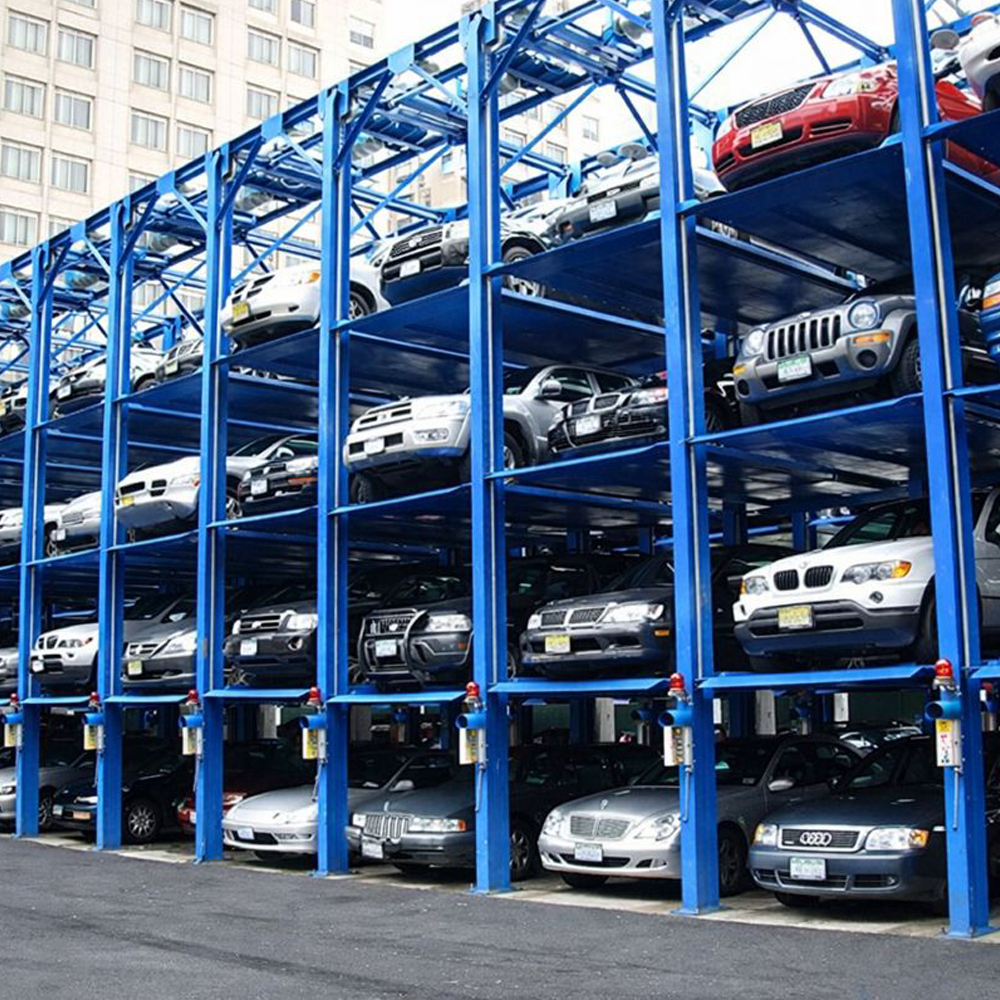
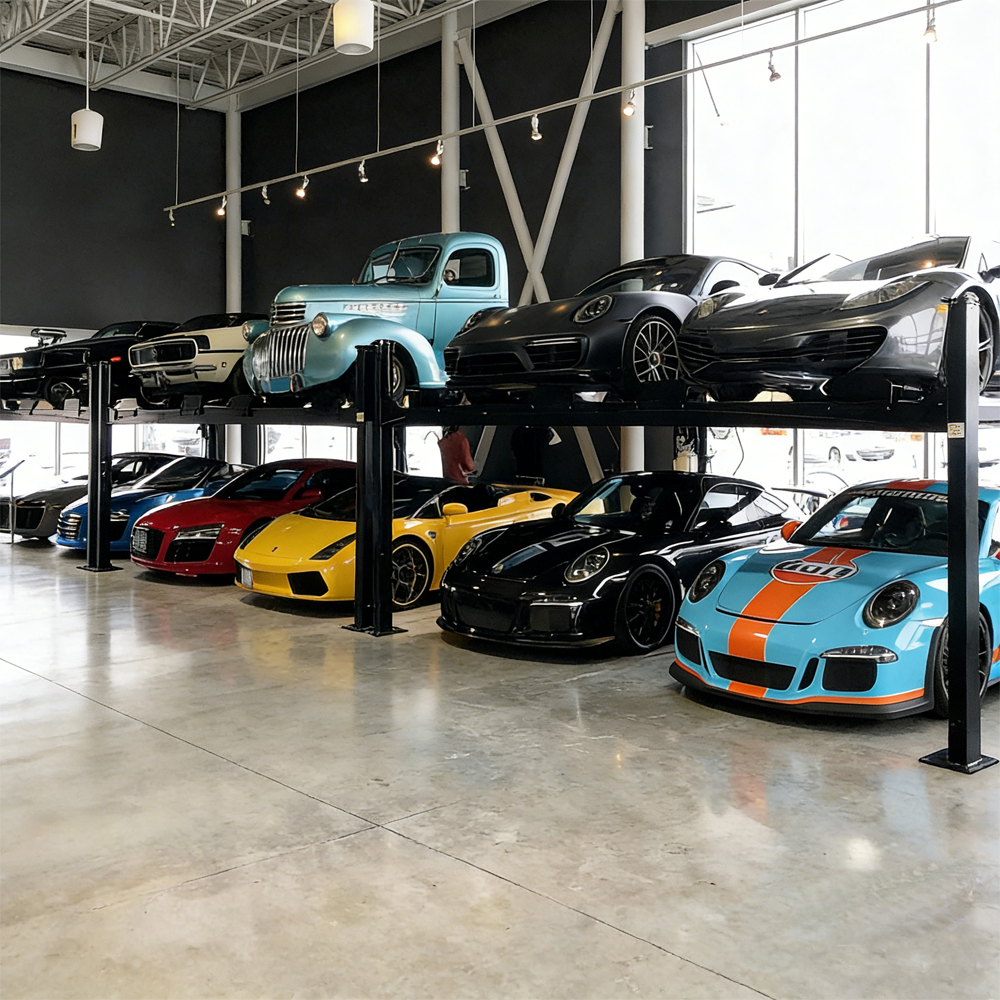
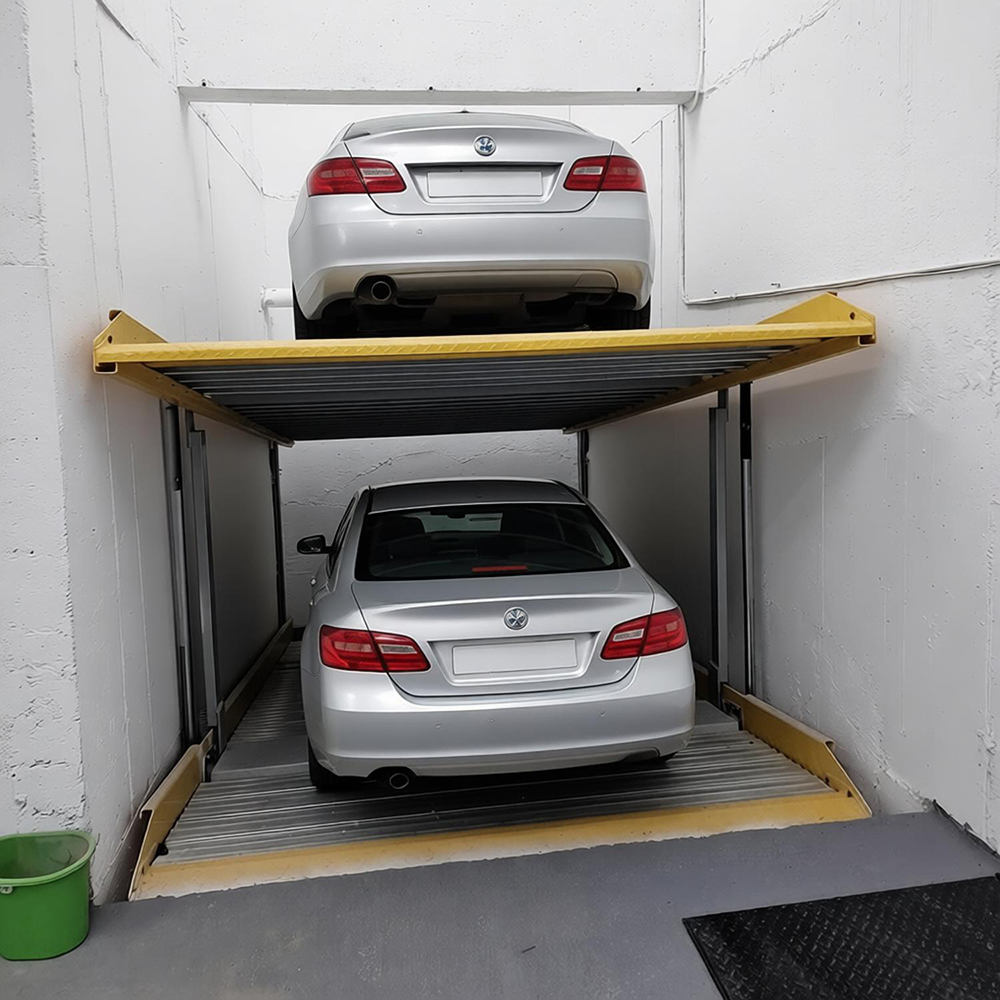
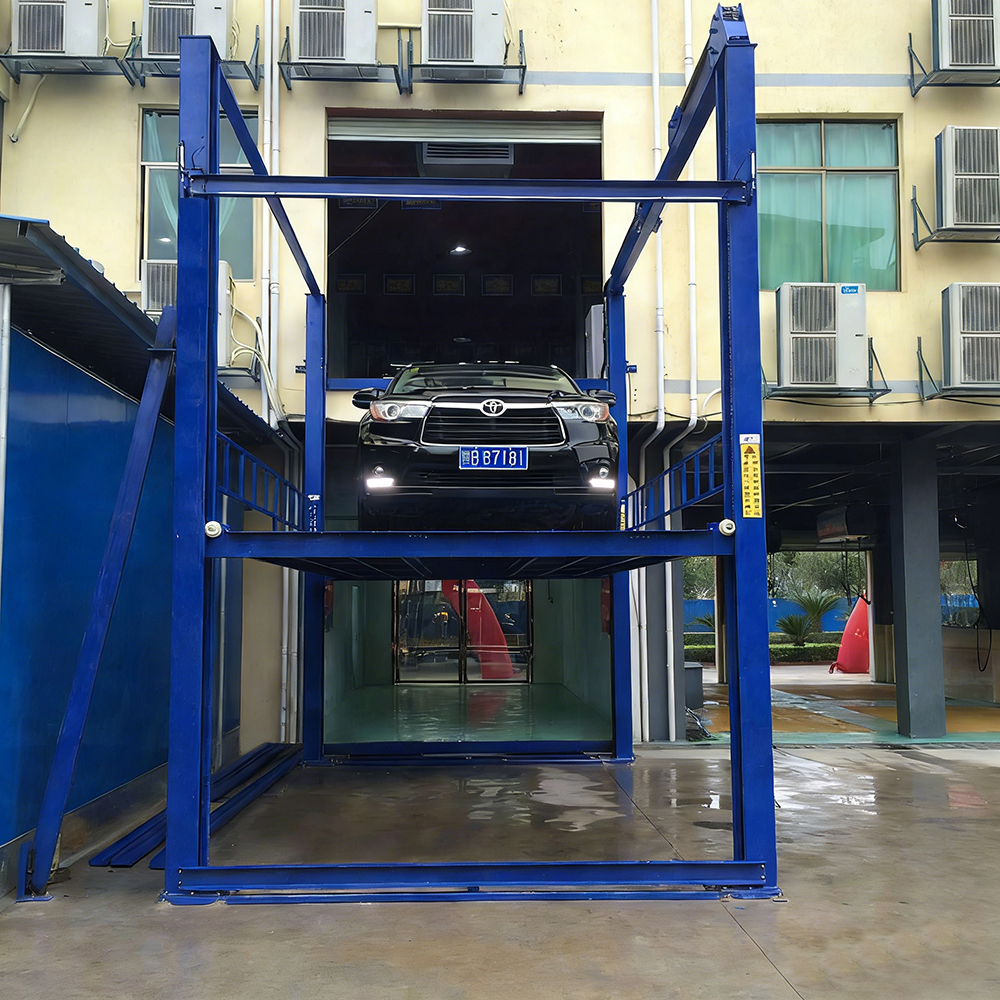
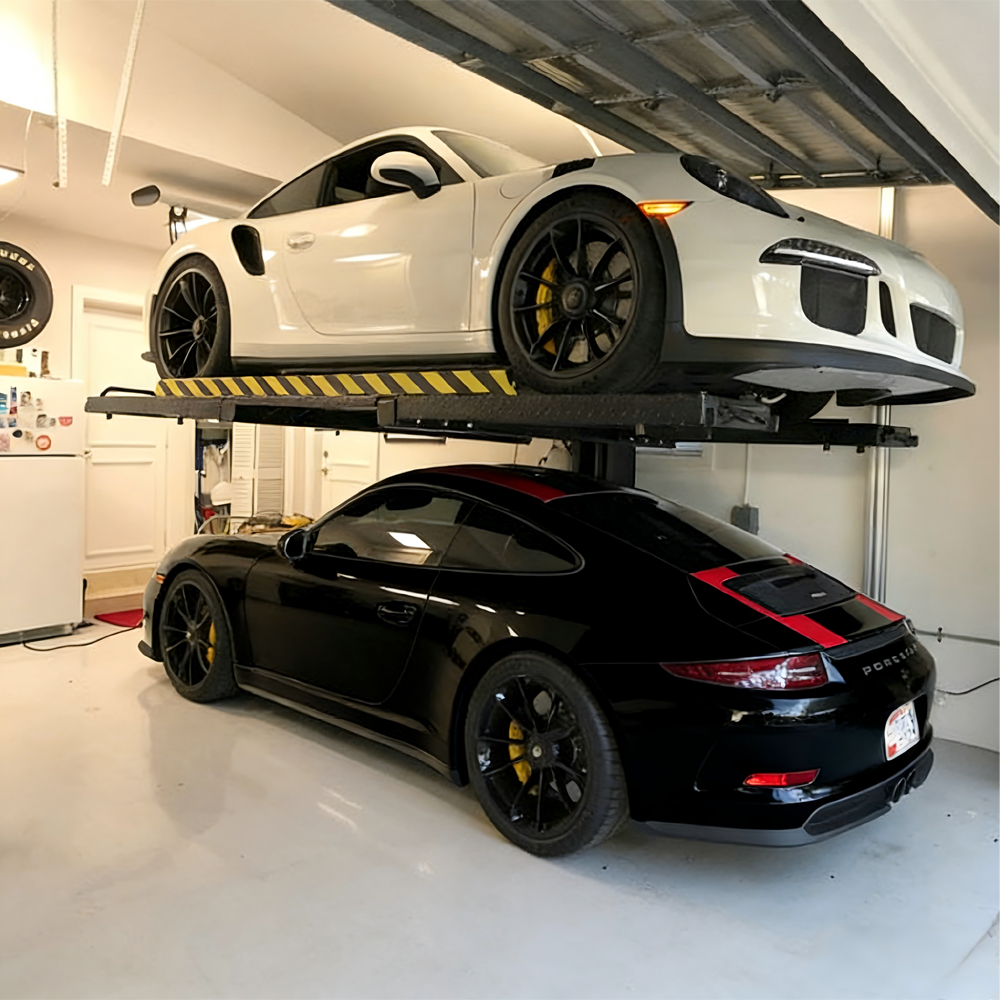
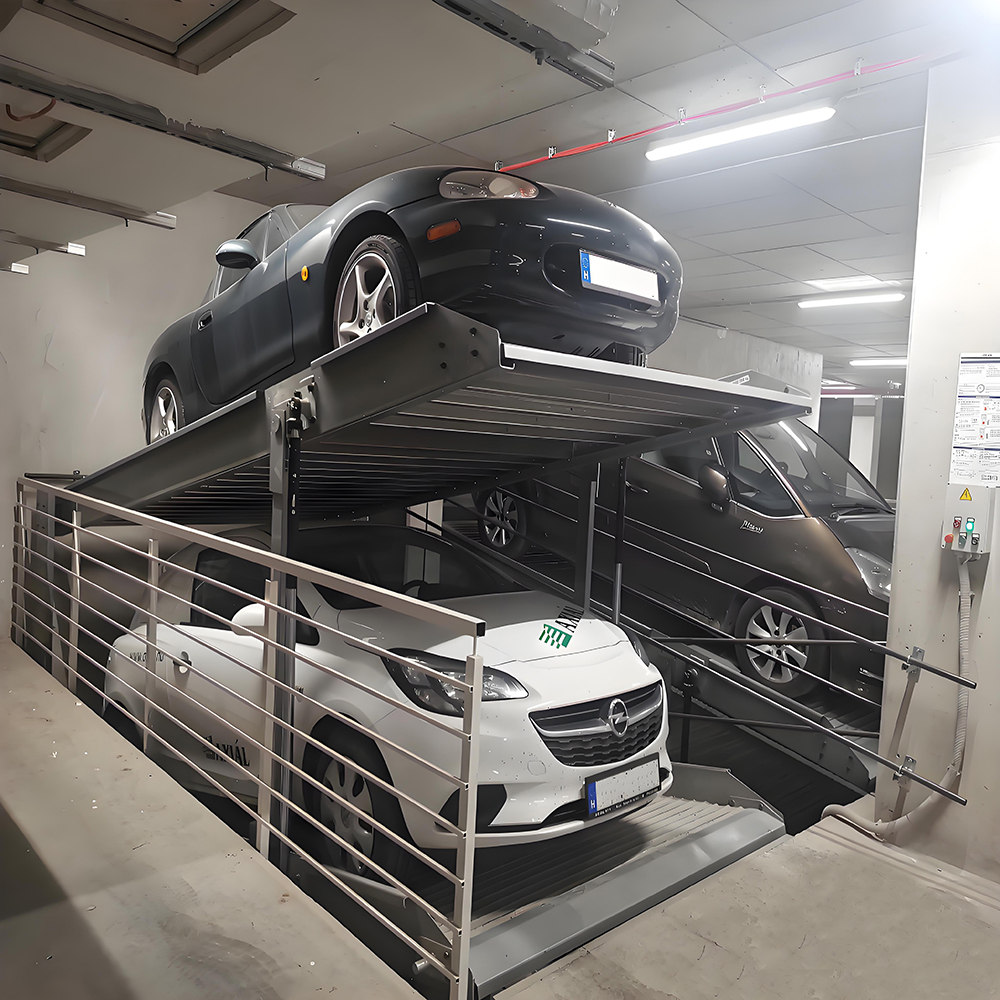
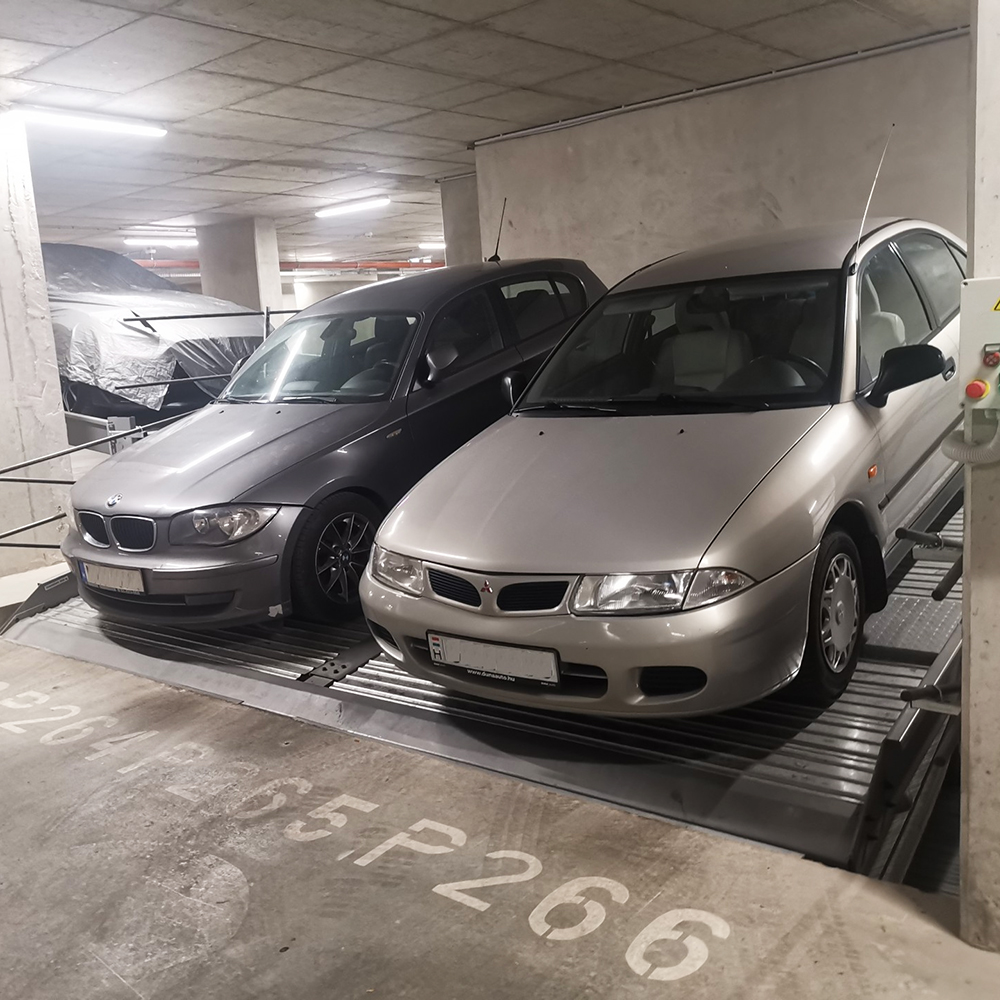
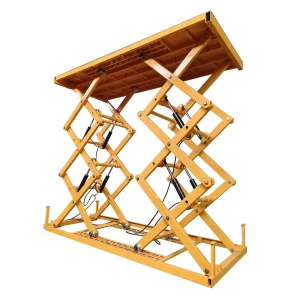
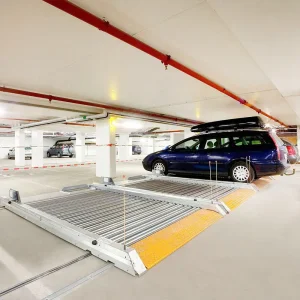
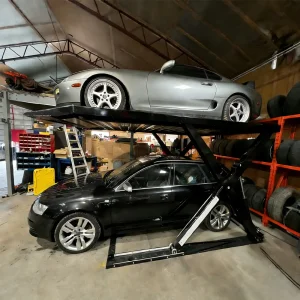
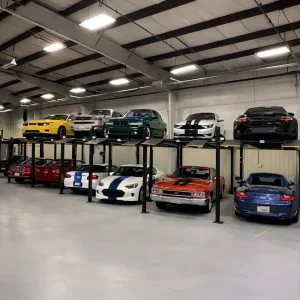
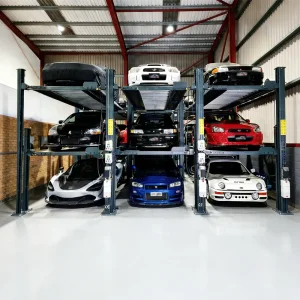
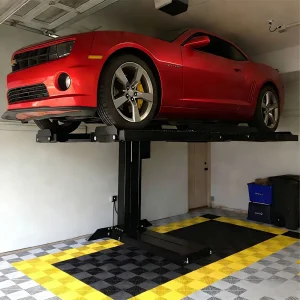
As rapid urbanization reduces horizontal land space, the requirement for high-density parking layout options has escalated dramatically. Across major international metropolitan regions, structural engineers, developers, and logistics managers are turning away from traditional flat asphalt configurations and shifting toward heavy-duty, multi-level lift machinery. Among the most structurally robust options stands the Indoor Four Post Car Parking Lift.
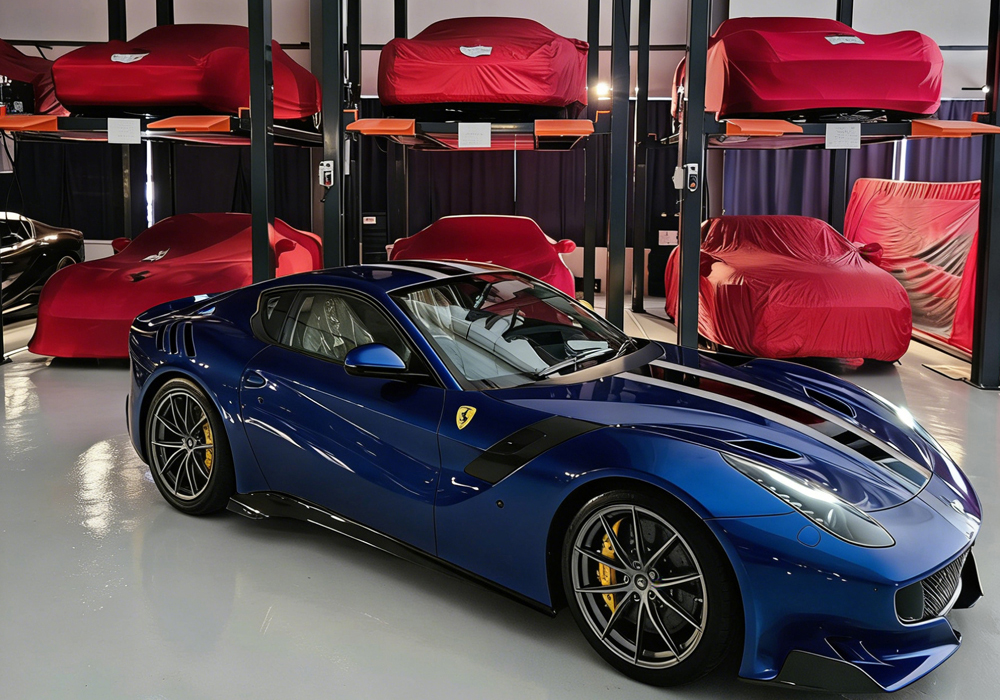
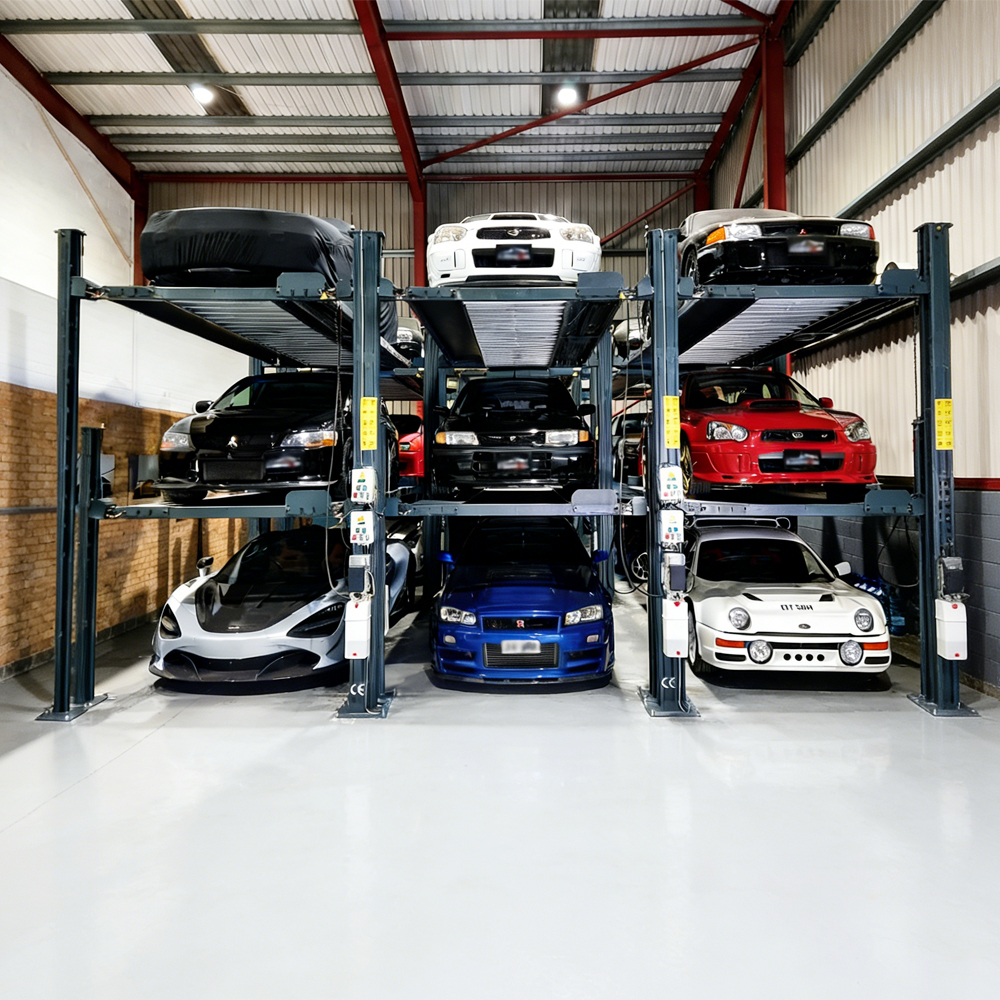
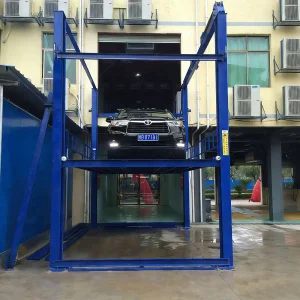
Compared to two-post cantilevered lift options, four-post mechanical layouts offer unparalleled structural balance. Operating by distributing the load evenly over four high-grade steel columns, these structures absorb the torsion and dynamic forces generated during vehicle lifting and lowering. This makes them ideal for prolonged storage, high-frequency operation, and heavy-payload commercial setups.
Global Business & Industrial Realities
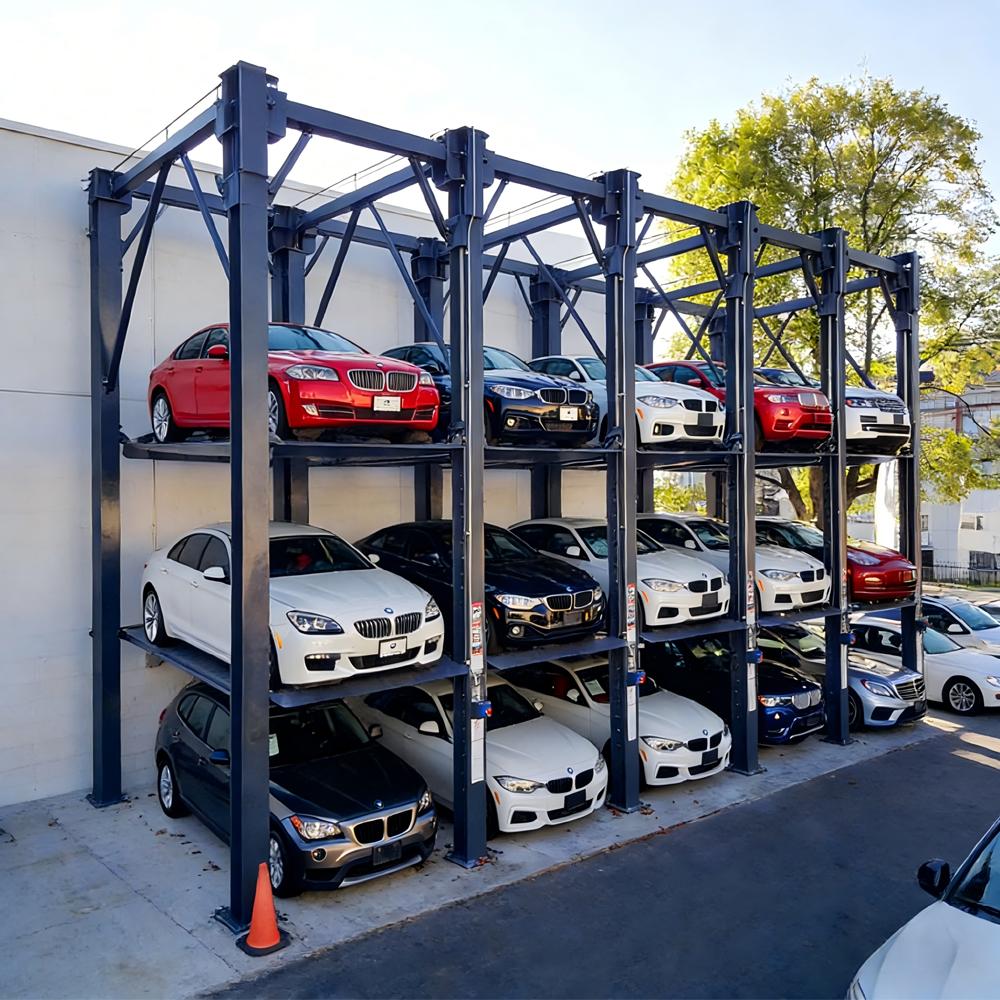
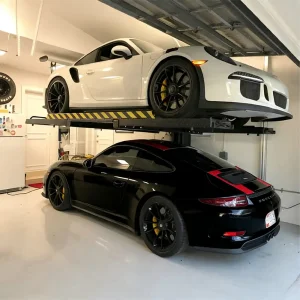
The transition toward mechanical parking technology varies depending on international regions. In Europe, where strict building regulations and narrow historic streets limit parking expansion, parking lifters are designed to be compact, low-noise, and CE-certified. In the United States, B2B procurement trends lean toward massive heavy-duty systems suited for commercial residential multi-family projects and private automotive collectors who require reliable multi-vehicle stacking.
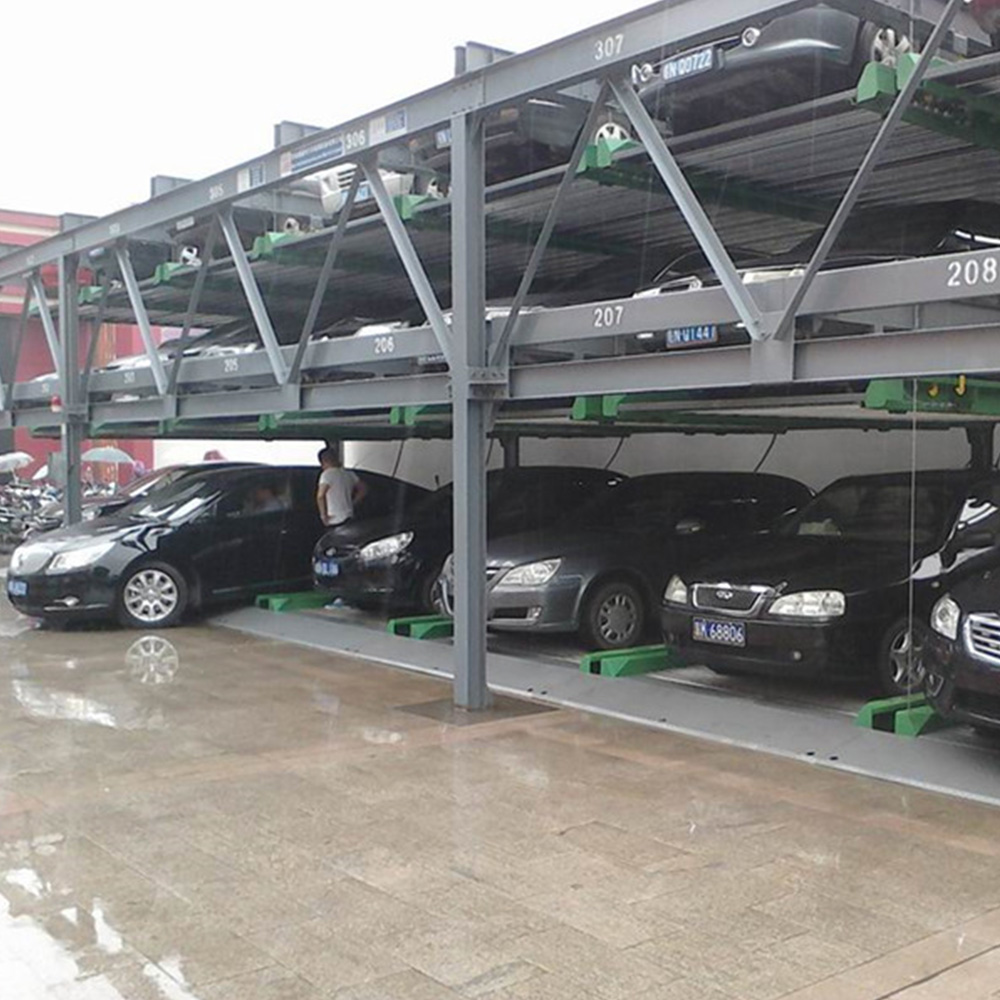
Simultaneously, the Asia-Pacific region is experiencing an unprecedented surge in automated hydraulic systems, driven by transit-oriented developments (TOD) and smart city projects. Because the price of real estate continues to climb, vertical stacking systems have transitioned from a luxury enhancement to a structural necessity.
Precision Manufacturing: The Chinese Factory Efficiency Edge
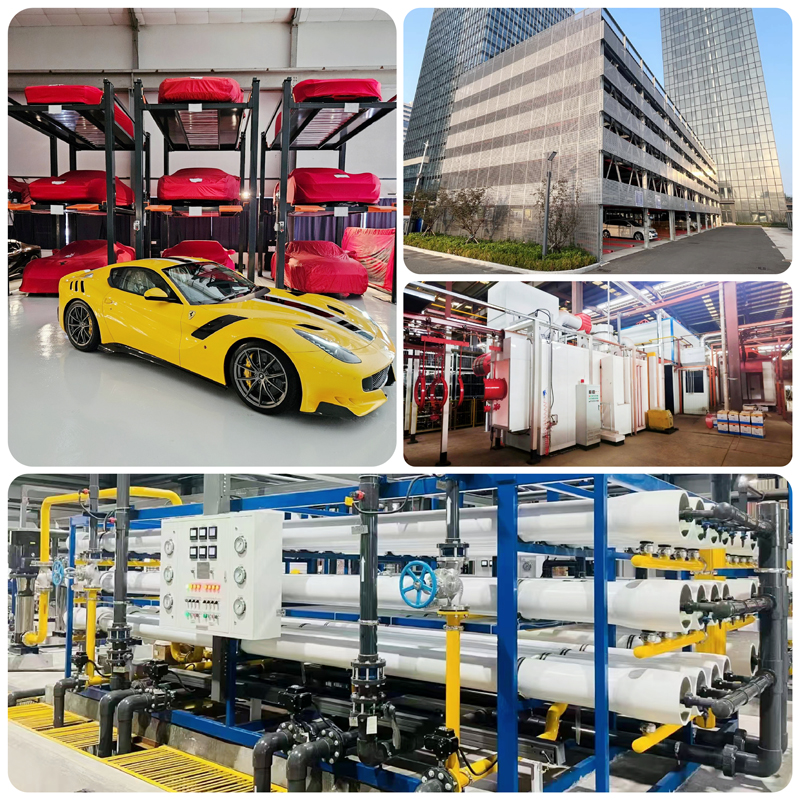
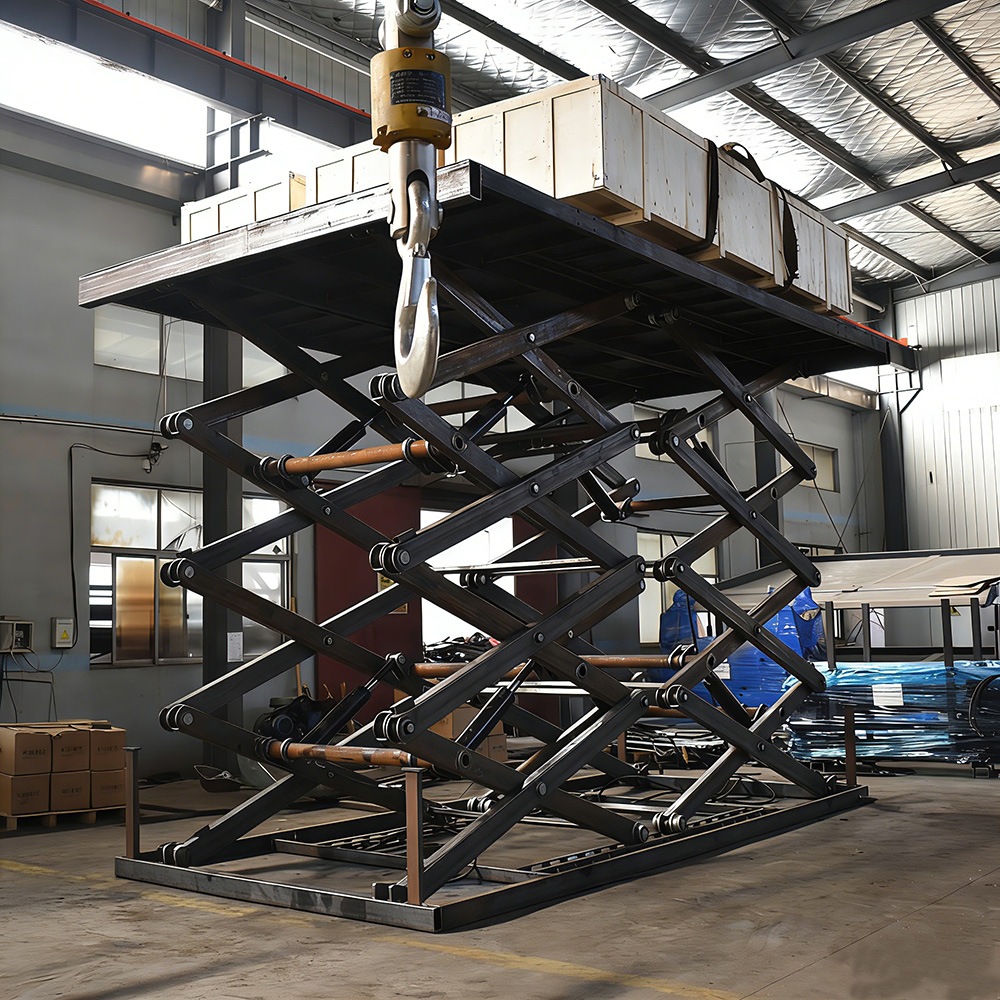
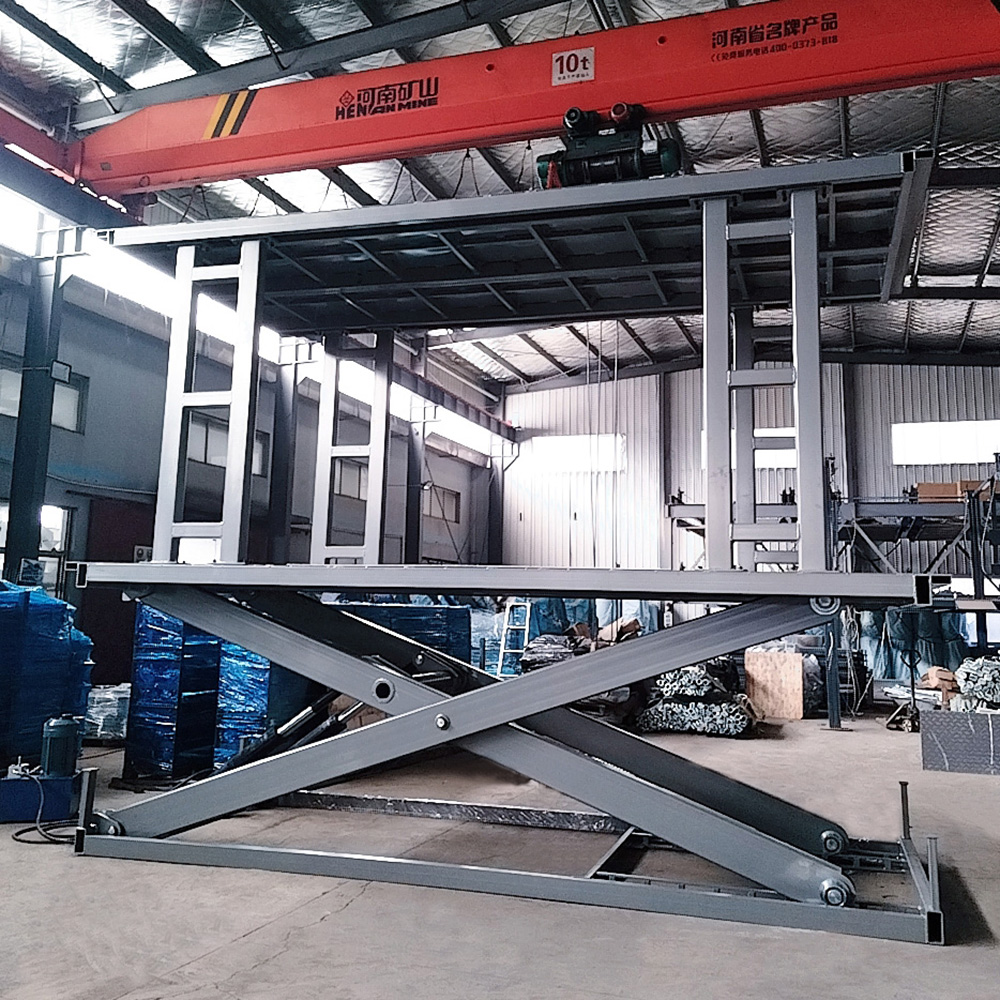
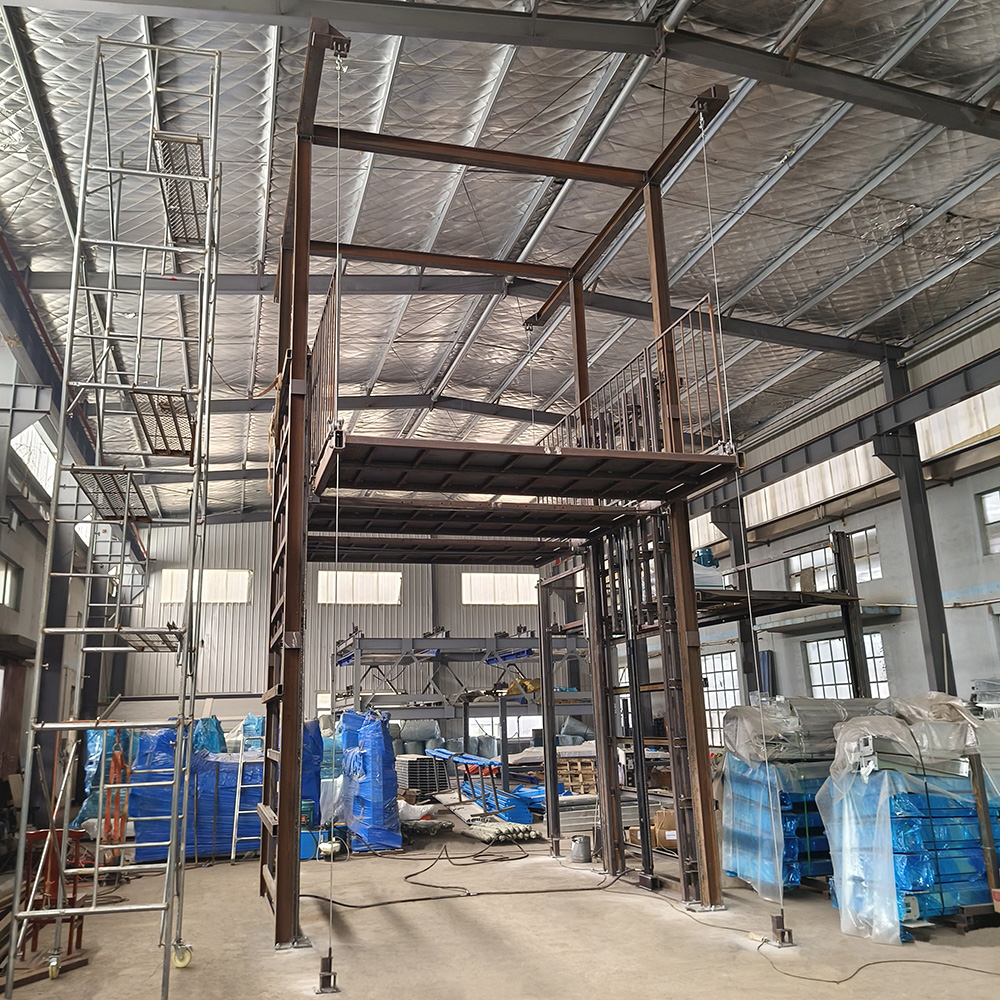
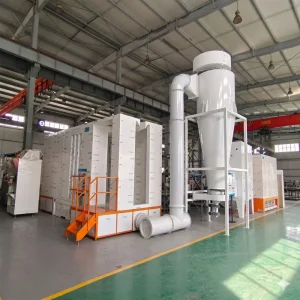
China has solidified its position as the global hub for manufacturing high-quality parking lifters. Leading enterprises, such as Qingdao Cherish, leverage high-volume supply chains, robot-assisted precision welding, and automated surface treatment systems. By integrating CAD/CAM design workflows with rigorous testing processes, Chinese factories achieve manufacturing costs and lead times that European counterparts cannot match.
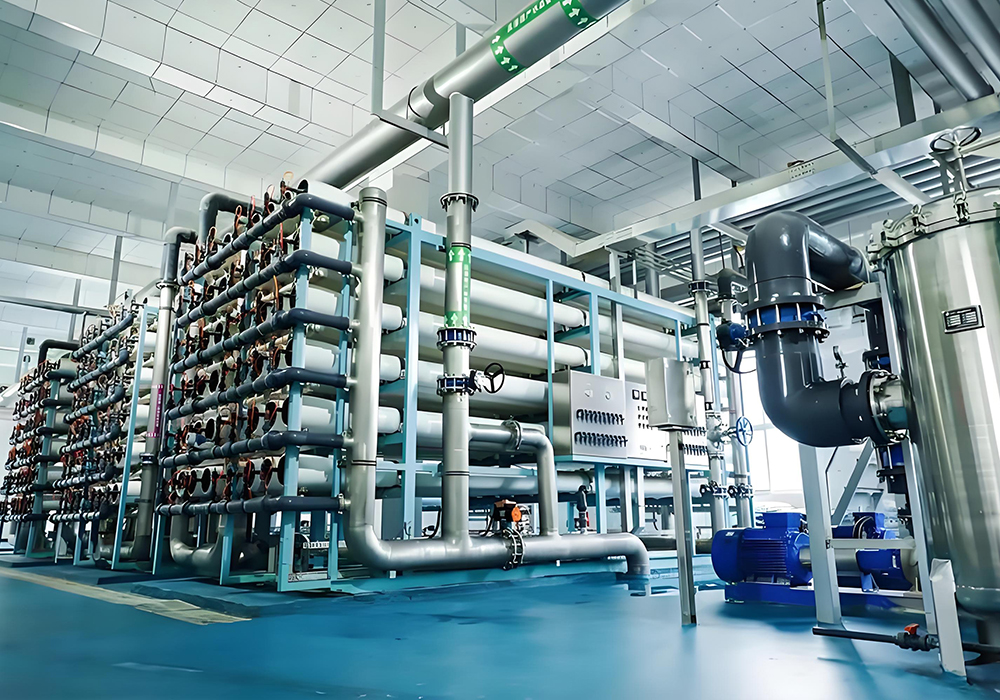
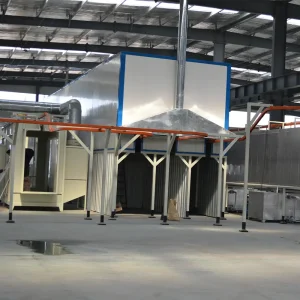
This efficiency does not come at the expense of safety. High-performance factories utilize premium structural Q355B structural steel, high-tolerance CNC cutting lines, and multi-stage powder curing ovens to ensure every system achieves compliance with European EN 14010 mechanical safety parameters and UL load ratings.