 Cherish
Whitepaper: Vertical Tower Car Parking Systems
An Industry Study on Global Trends, Technical Parameters, China Factory 4.0 Integration, and Site Safety Architectures.
1. Global Urbanization Dynamics and the Spatial Economics of Parking
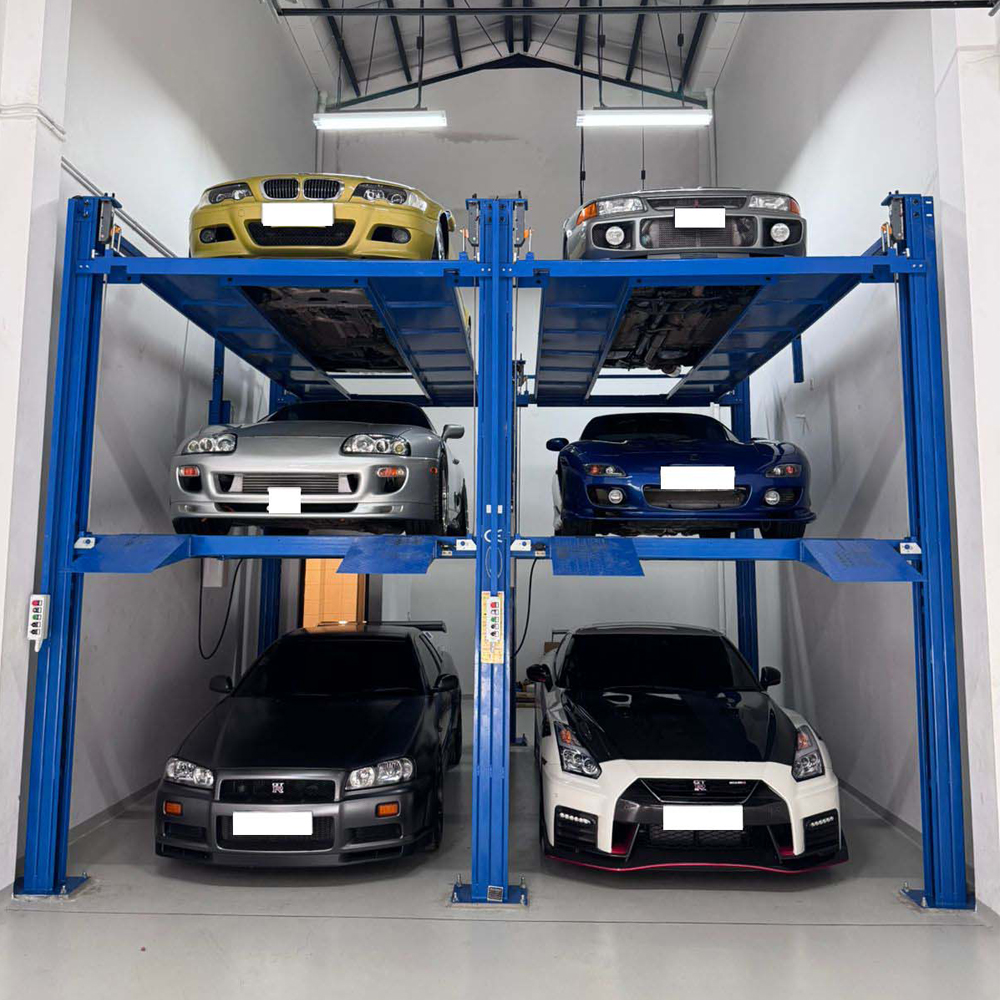
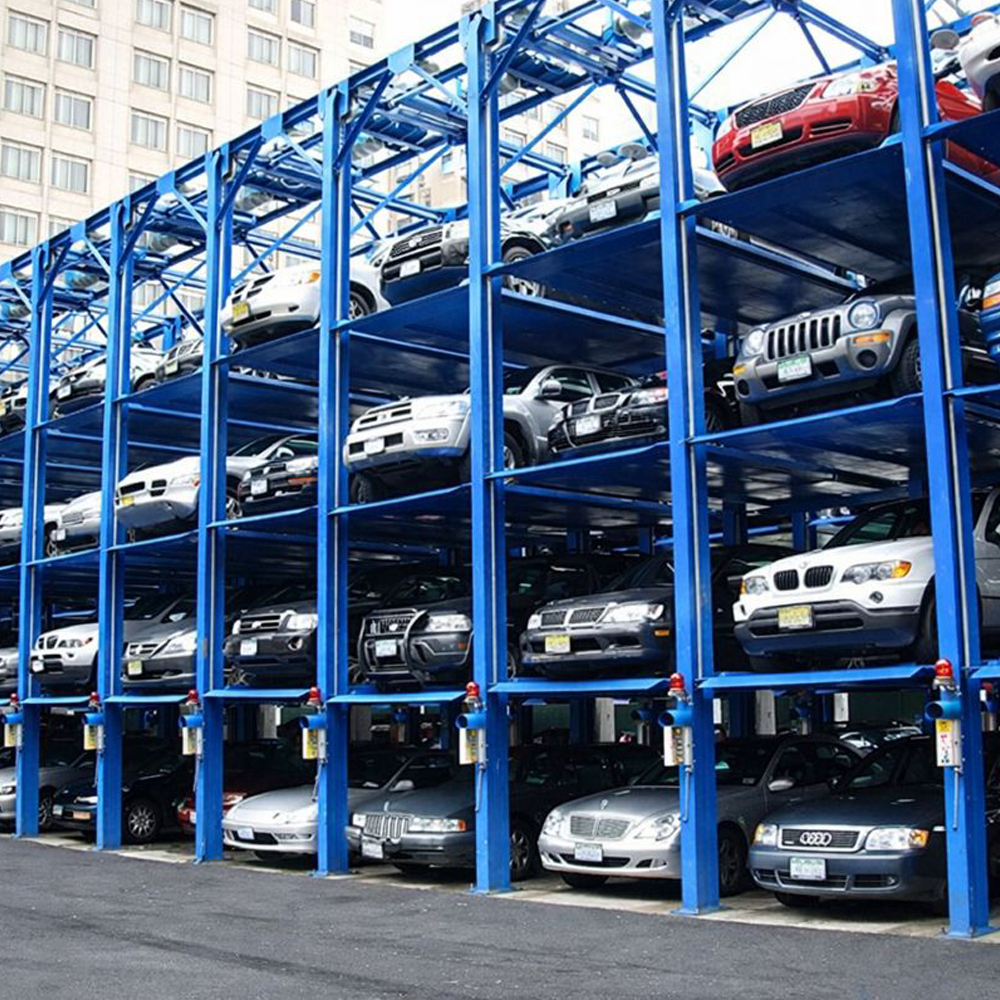
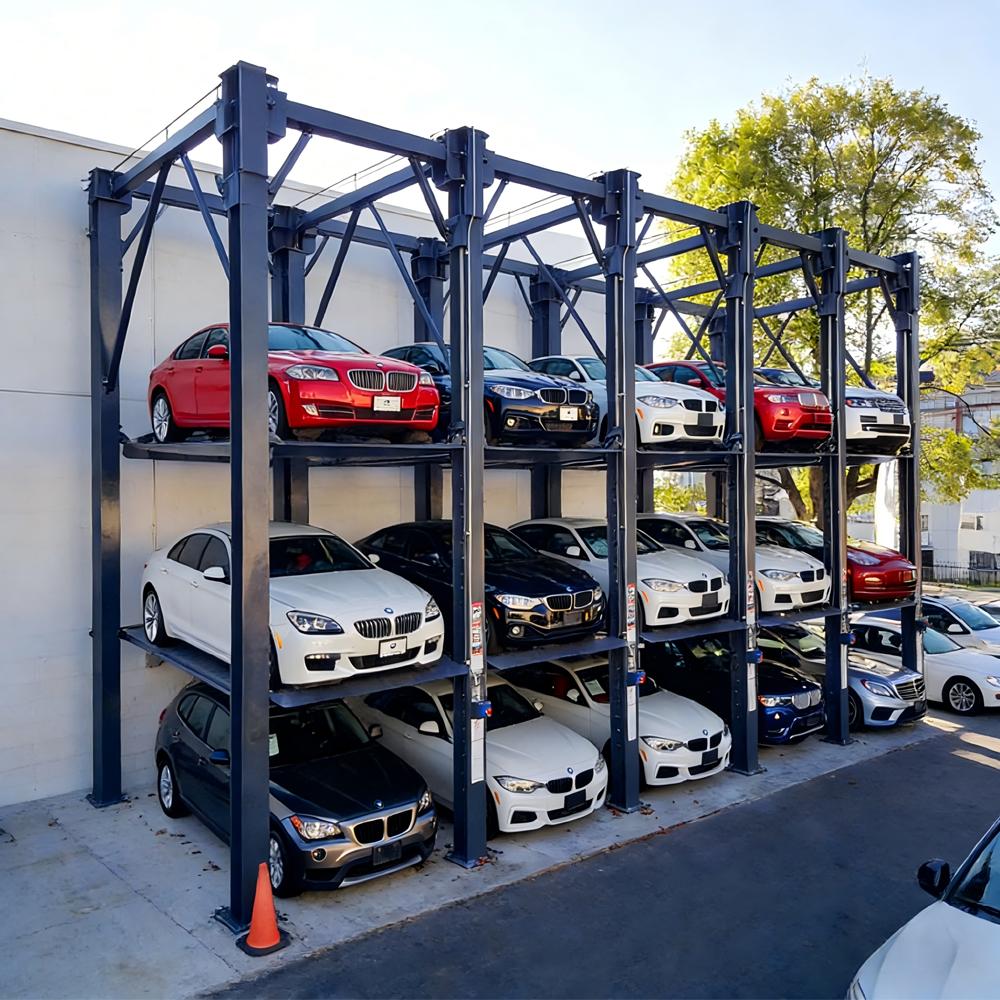
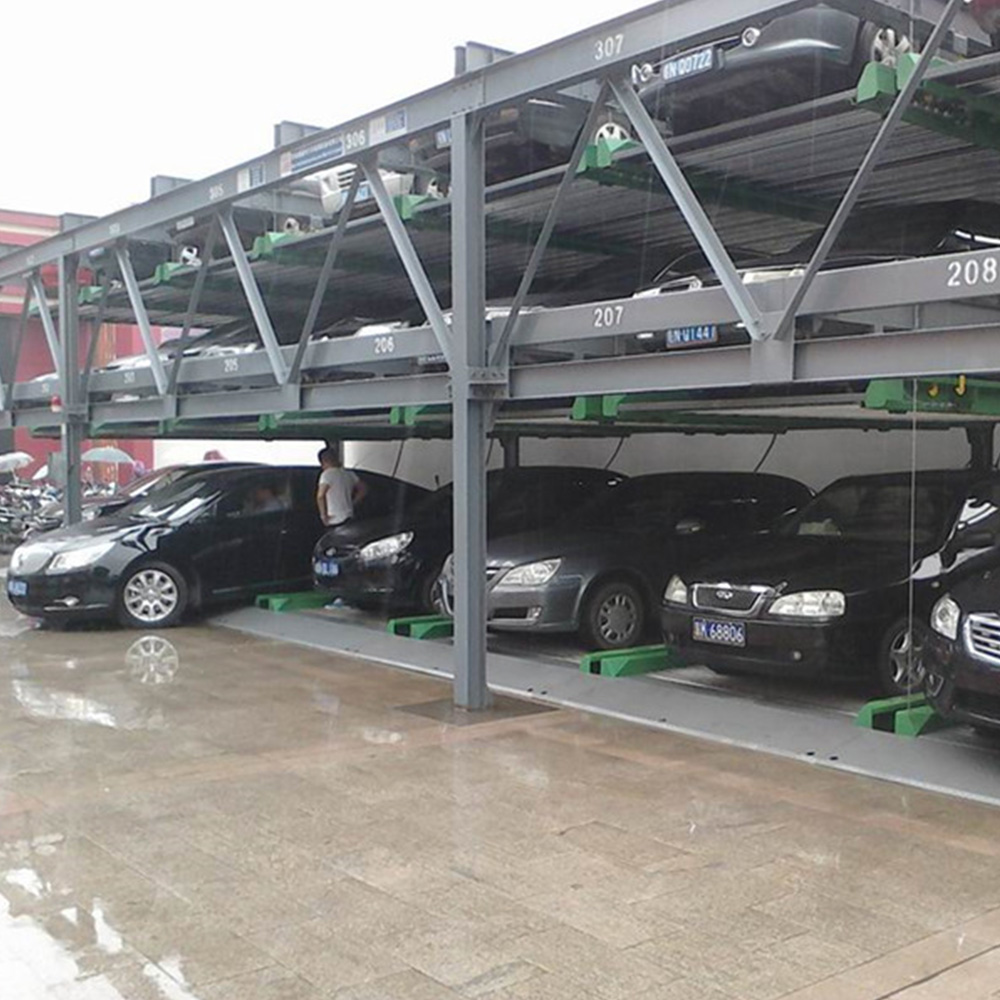
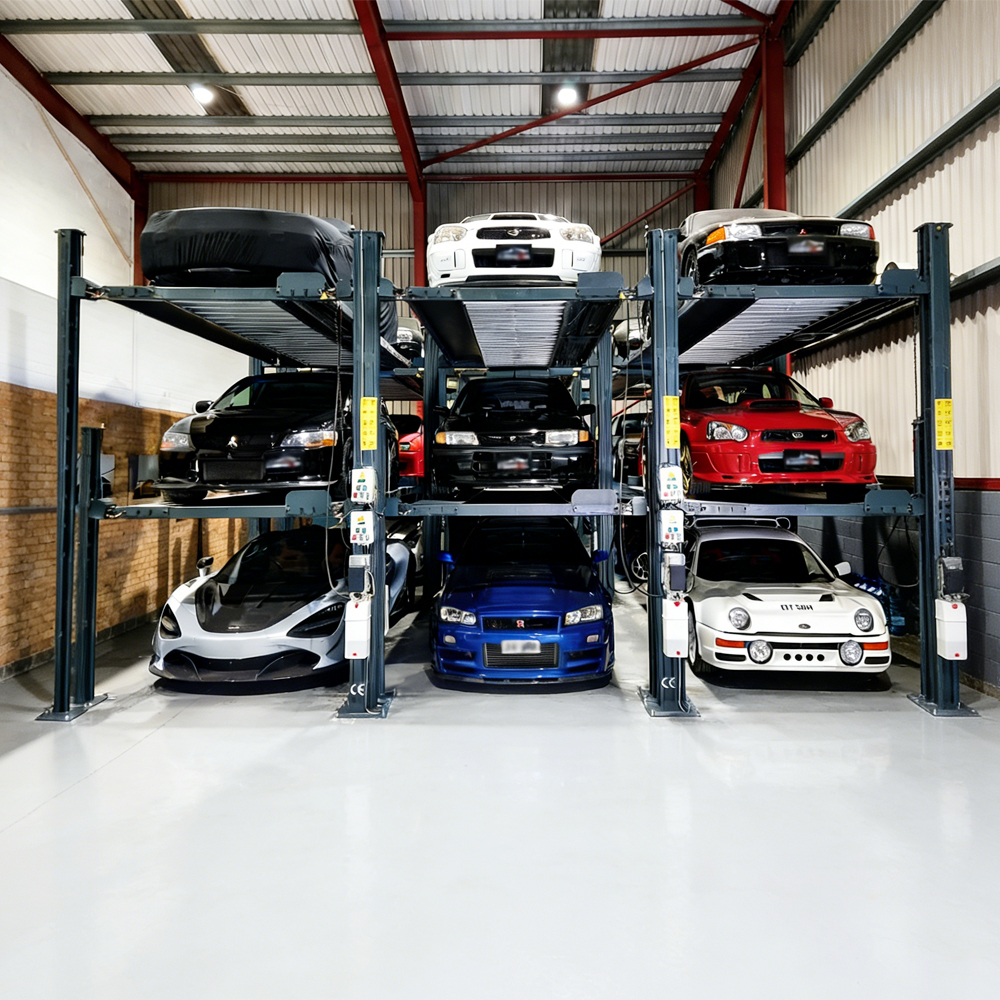
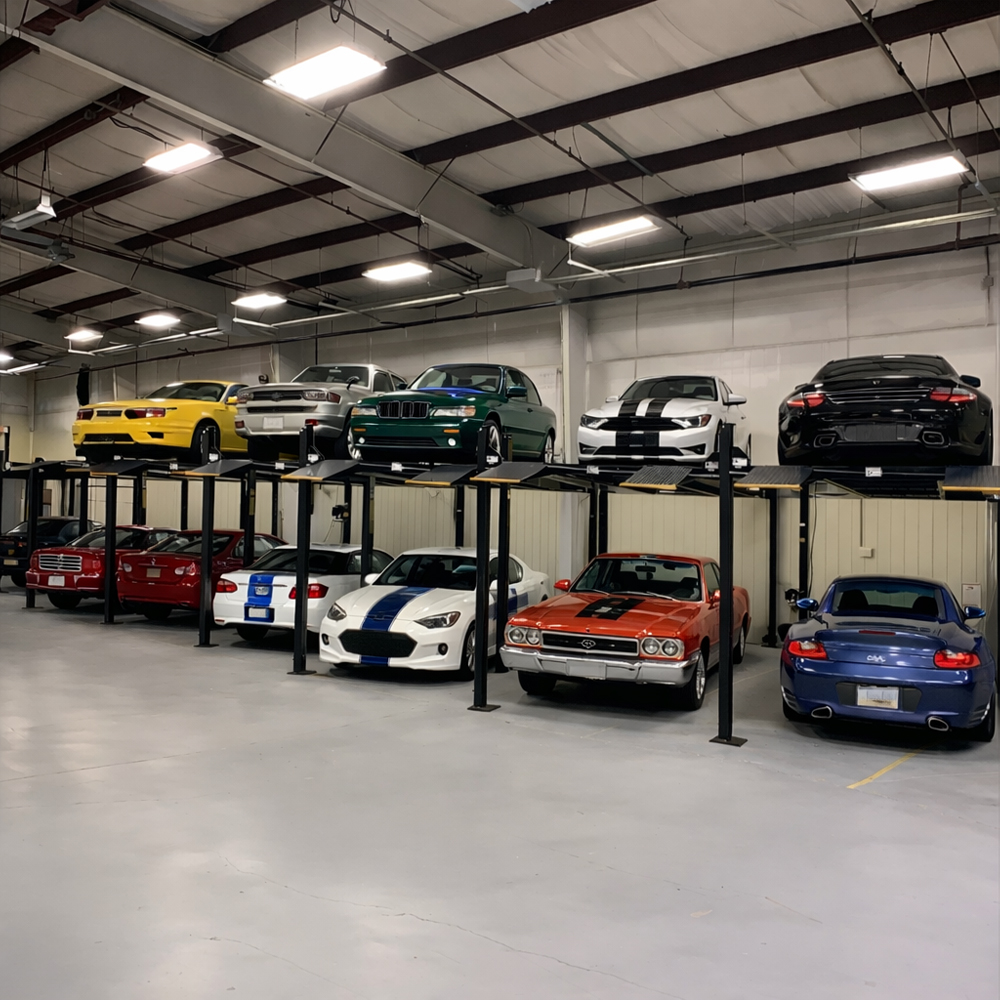
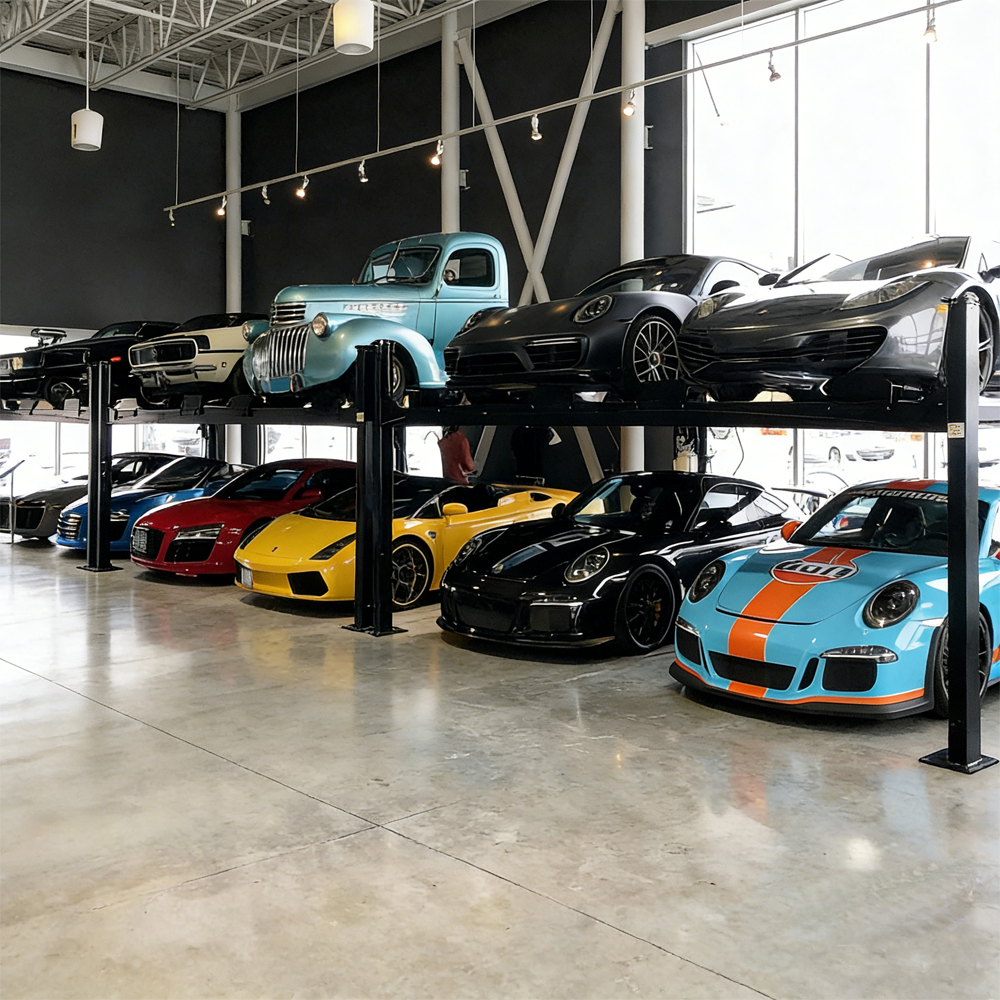
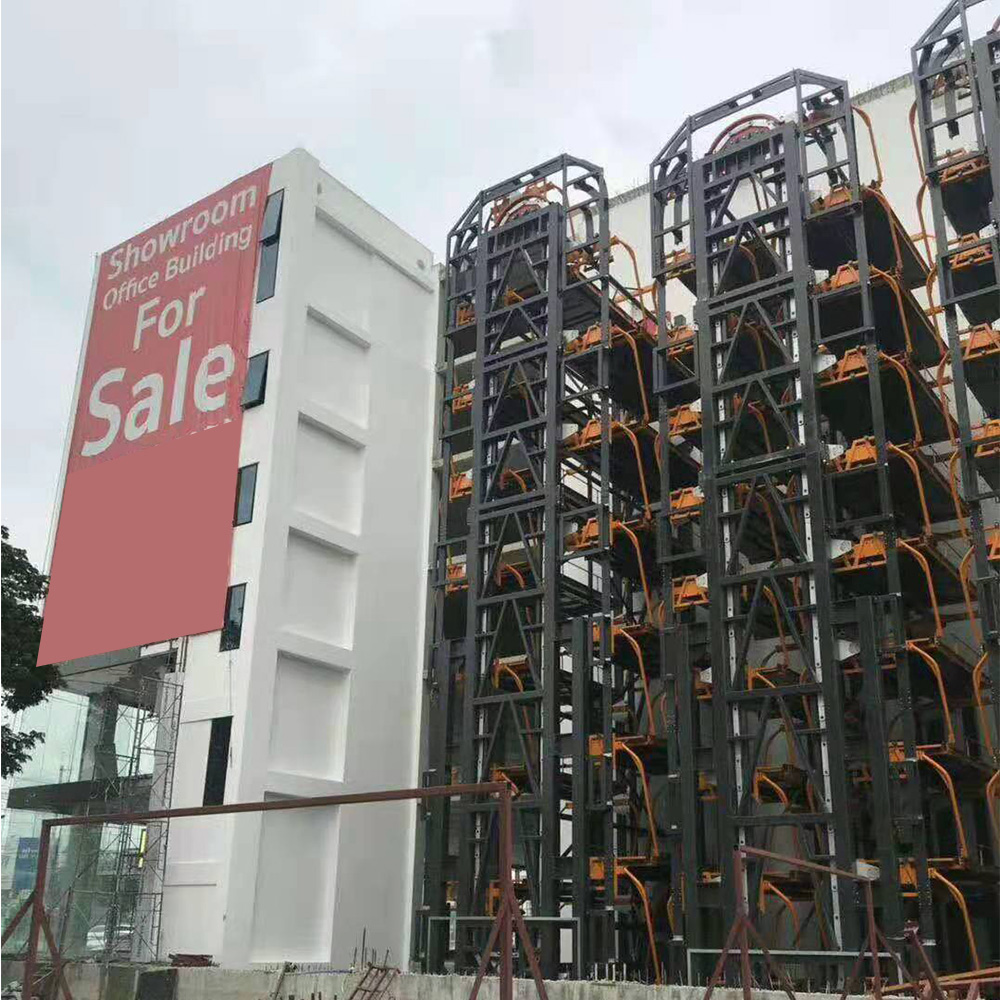
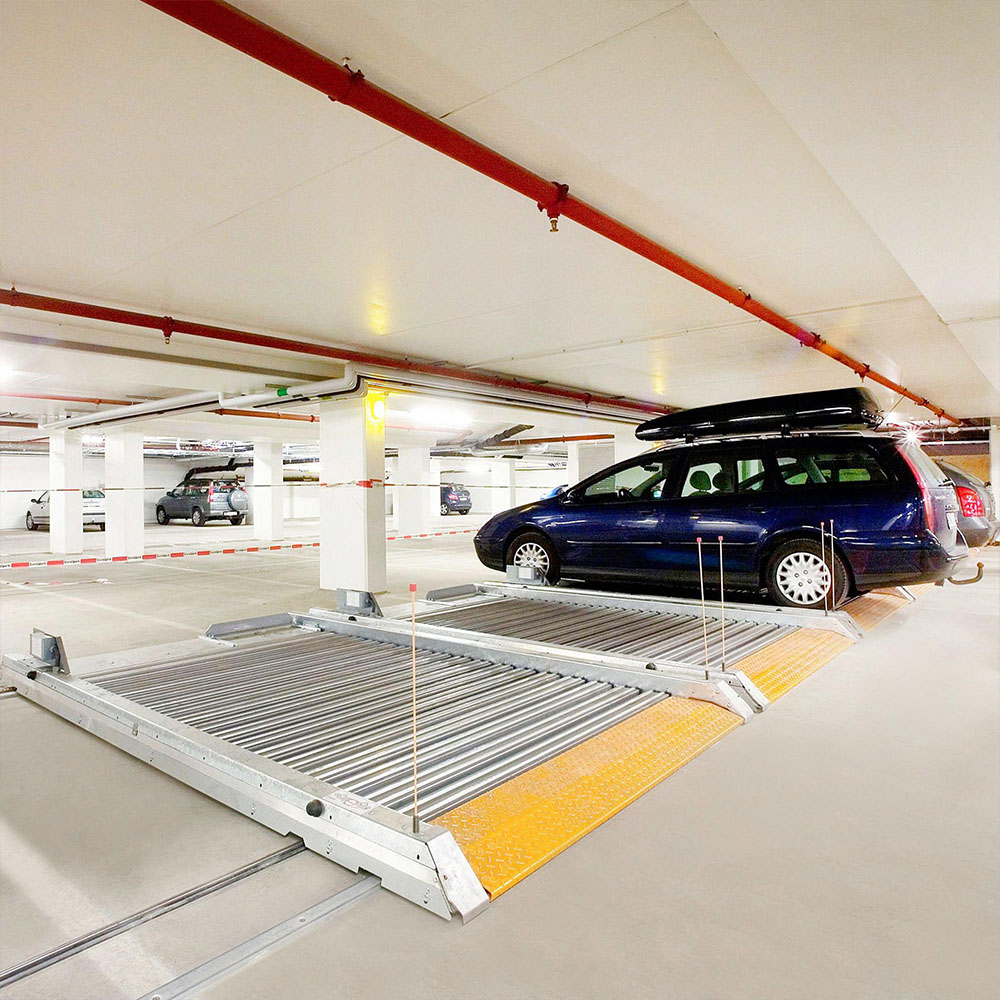
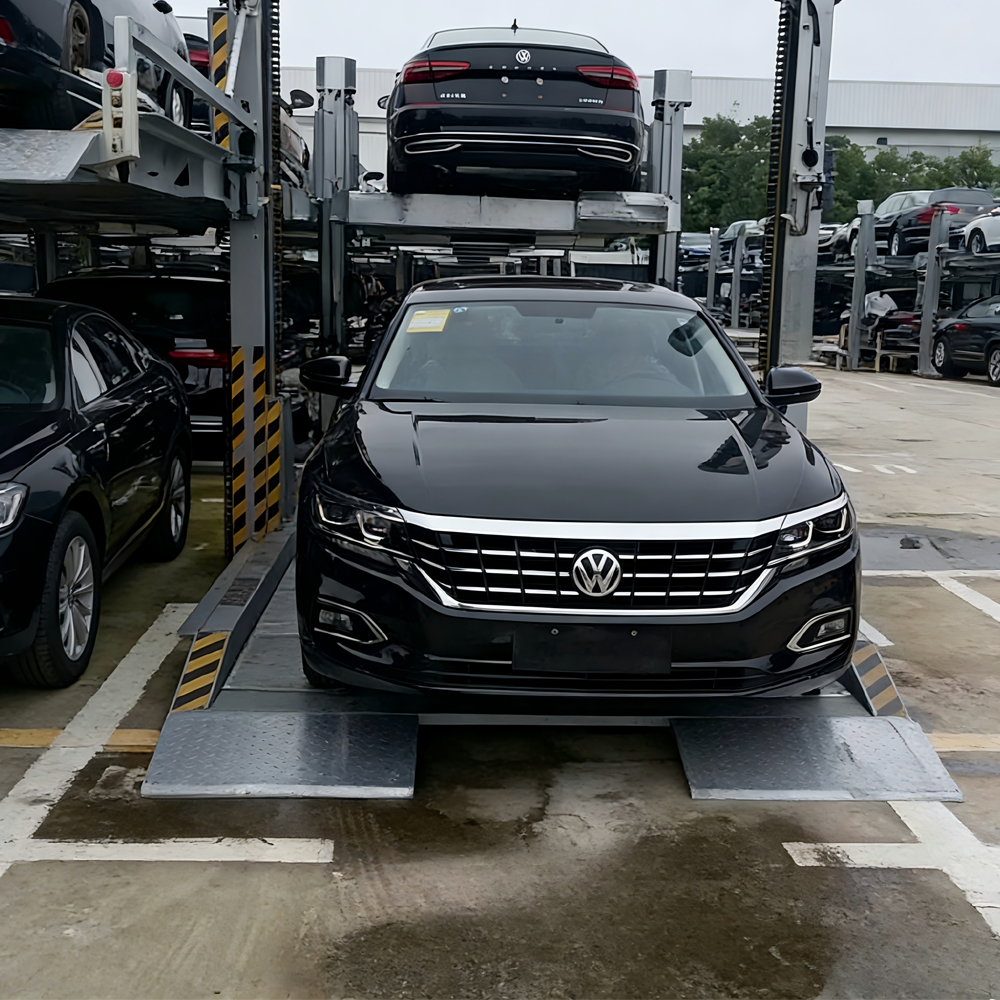
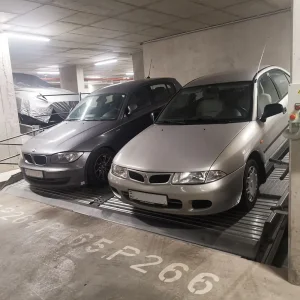
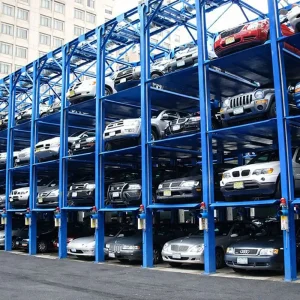
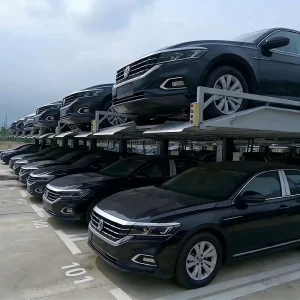
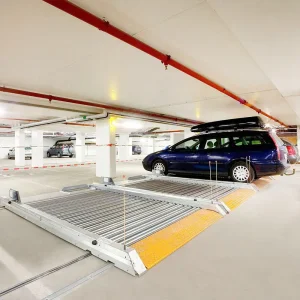
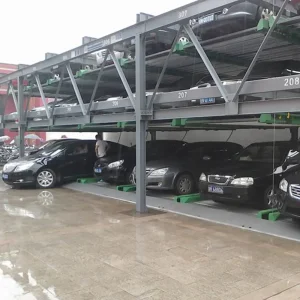
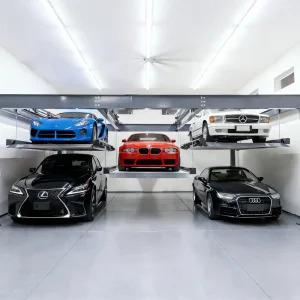
Rapid global urbanization and the vertical densification of cities have made conventional parking designs economically unfeasible. Horizontal space is a premium resource. According to municipal planning metrics, traditional surface parking lots require approximately 25 to 30 square meters per vehicle. In contrast, vertical tower car parking systems (commonly referred to as mechanical tower parking systems) reduce this footprint by up to 90%, placing up to 16 to 70 vehicles on a physical ground area previously limited to just two.
The implementation of vertical tower systems extends beyond spatial optimization; it directly impacts property valuations. By stacking vehicles vertically, real estate developers can allocate more square footage to leasable space, turning parking installations from a regulatory cost center into an optimized capital asset.
"Guided by our core values — quality, innovation, reliability, and long-term partnership — Qingdao Cherish has steadily expanded its presence across international markets. We are committed to delivering cost-effective solutions, professional technical support, and long-term value to partners worldwide. Looking ahead, we aim to become a trusted global provider of intelligent parking and industrial engineering solutions, contributing to smarter cities and more sustainable industries."
2. Technical Blueprinting: Motor-Driven vs. Hydraulic Power Transmission
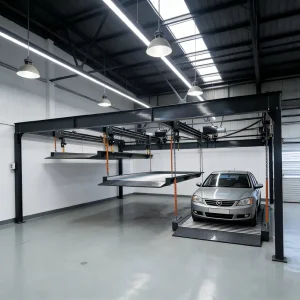
Modern vertical tower systems rely on two main power transmission principles: Electro-Mechanical Motor Drives and Electro-Hydraulic Pistons. Each method offers specific mechanical advantages depending on project height, load capacity, and cycle times:
- Motor-Driven Systems (Chain/Steel Rope): These configurations are ideal for high-speed, multi-level towers. Utilizing gearmotors and high-tensile lift chains, they ensure consistent horizontal and vertical speeds. Chain-driven platforms feature robust mechanical interlocks, reducing maintenance requirements in cold climates.
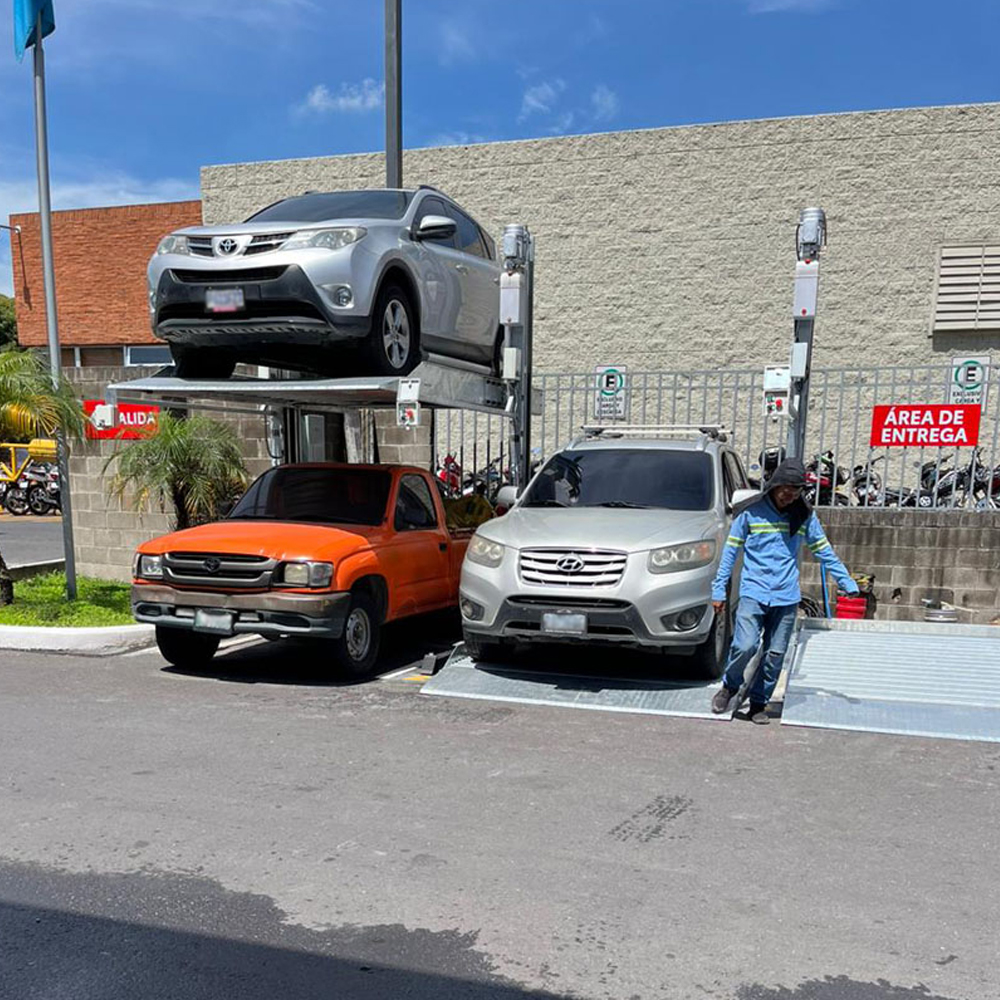
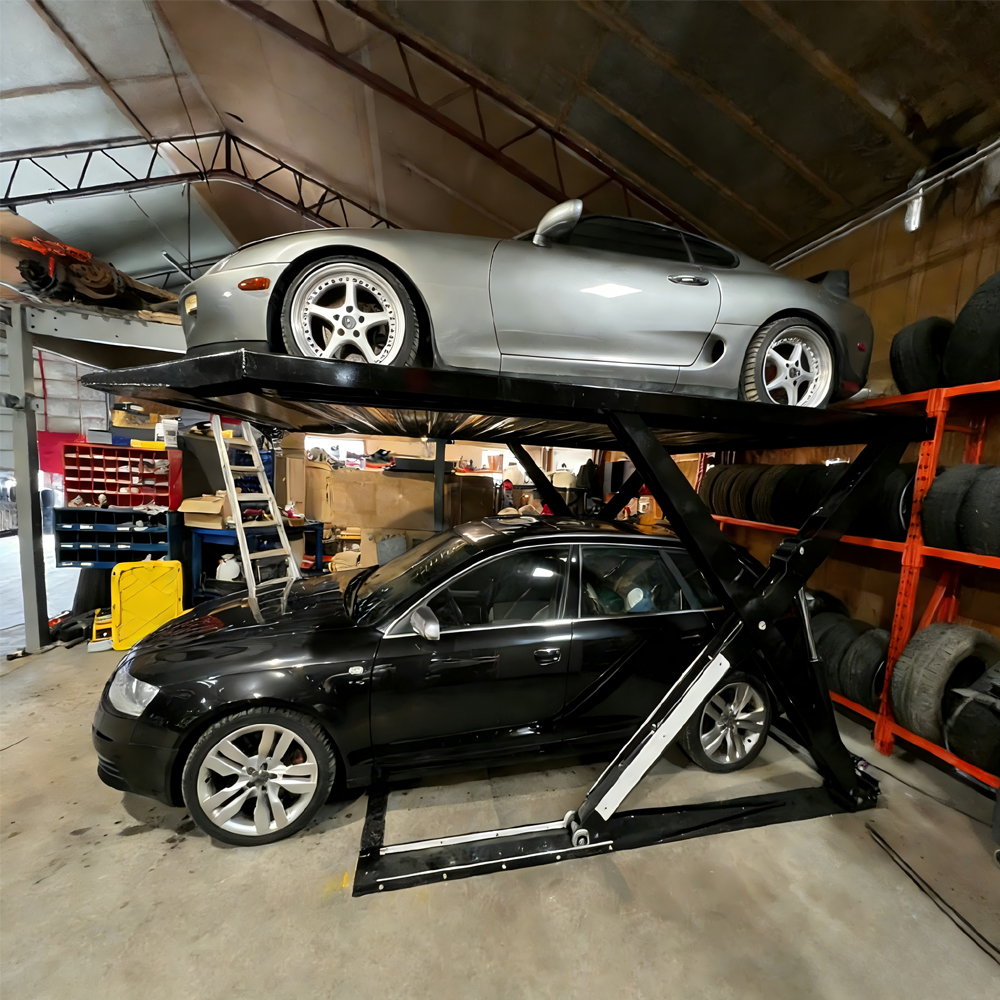
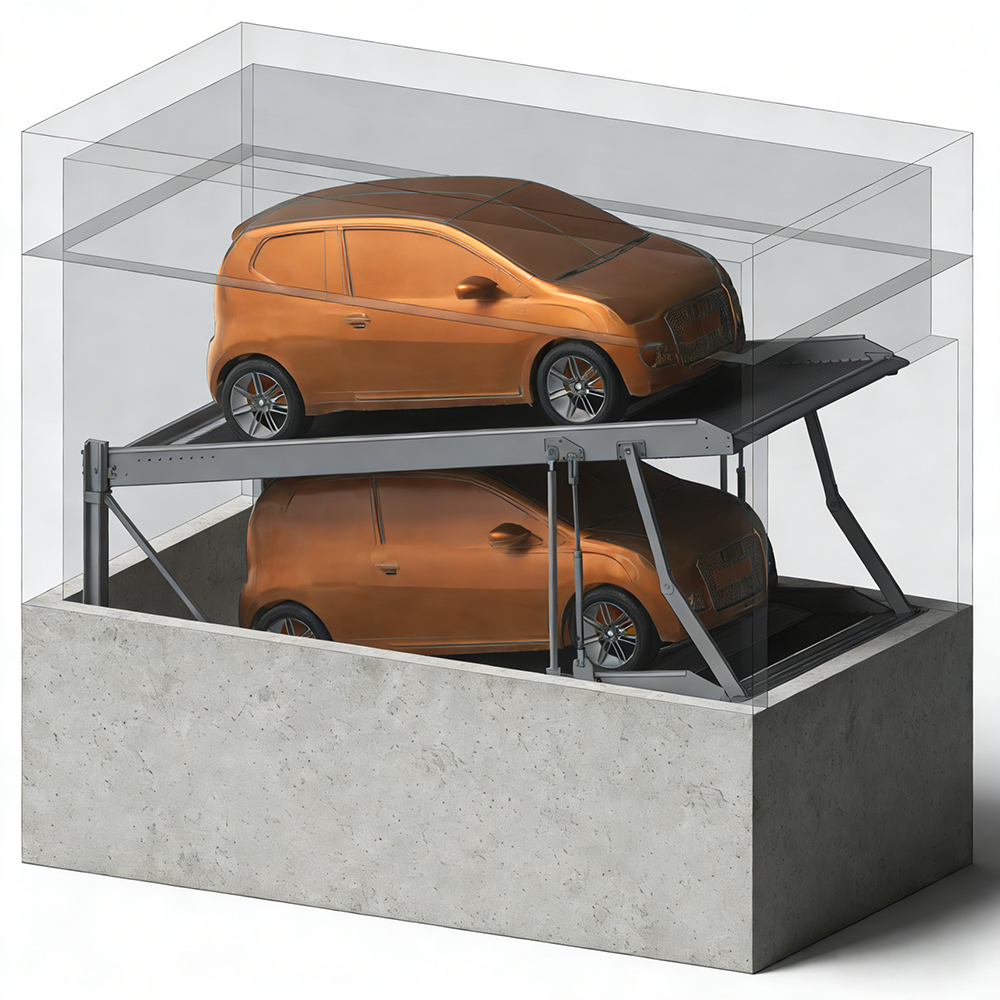
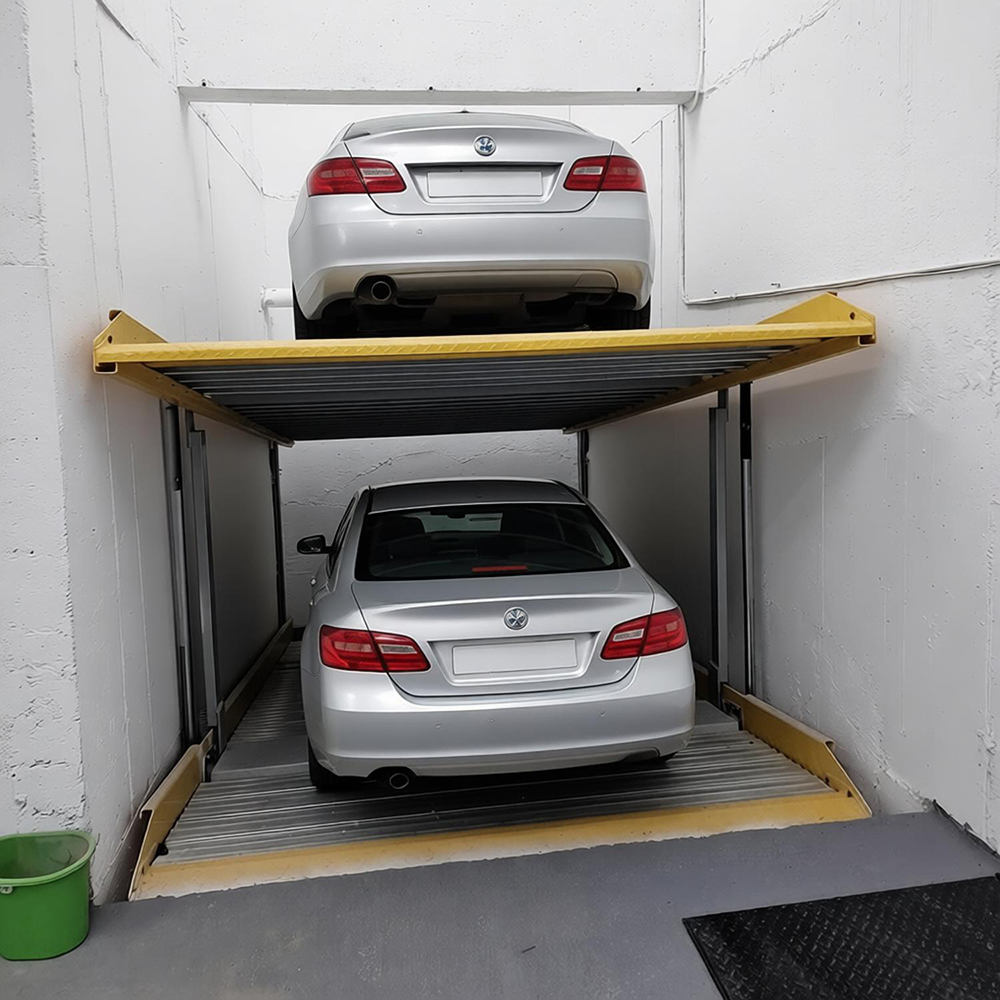
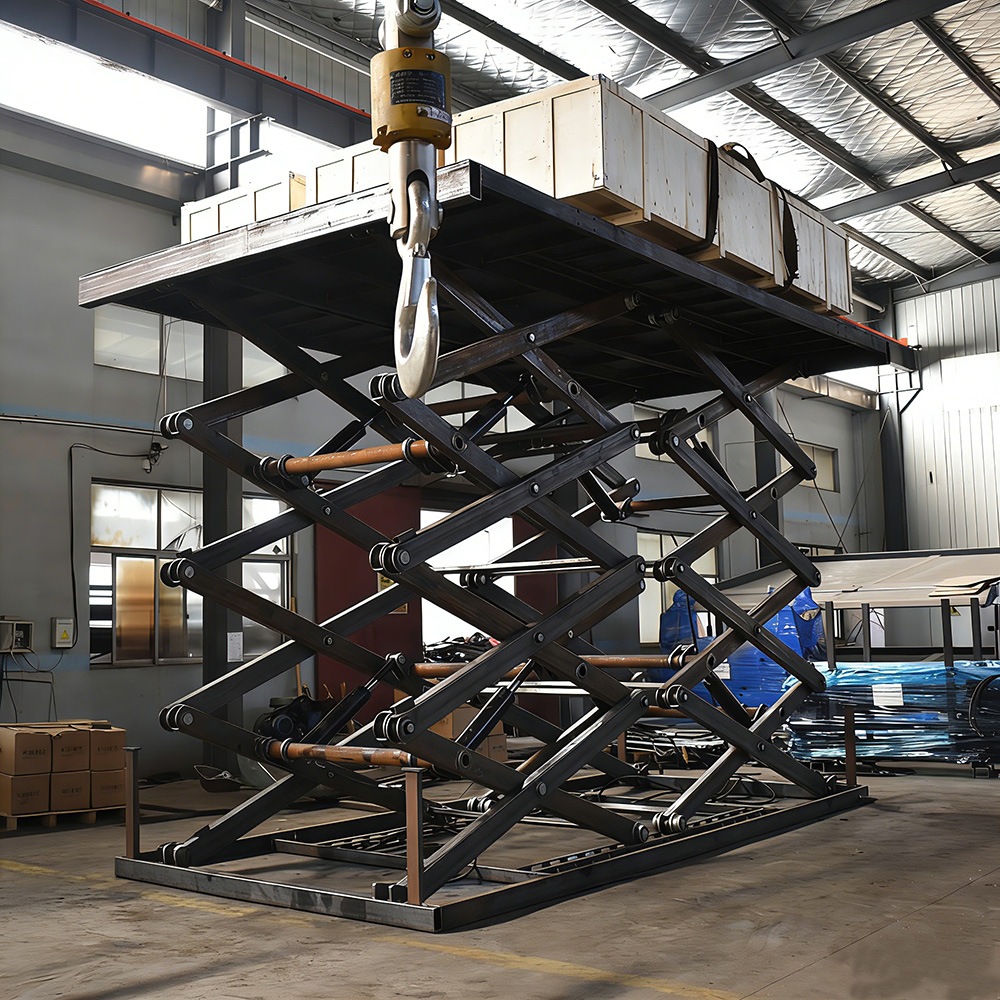
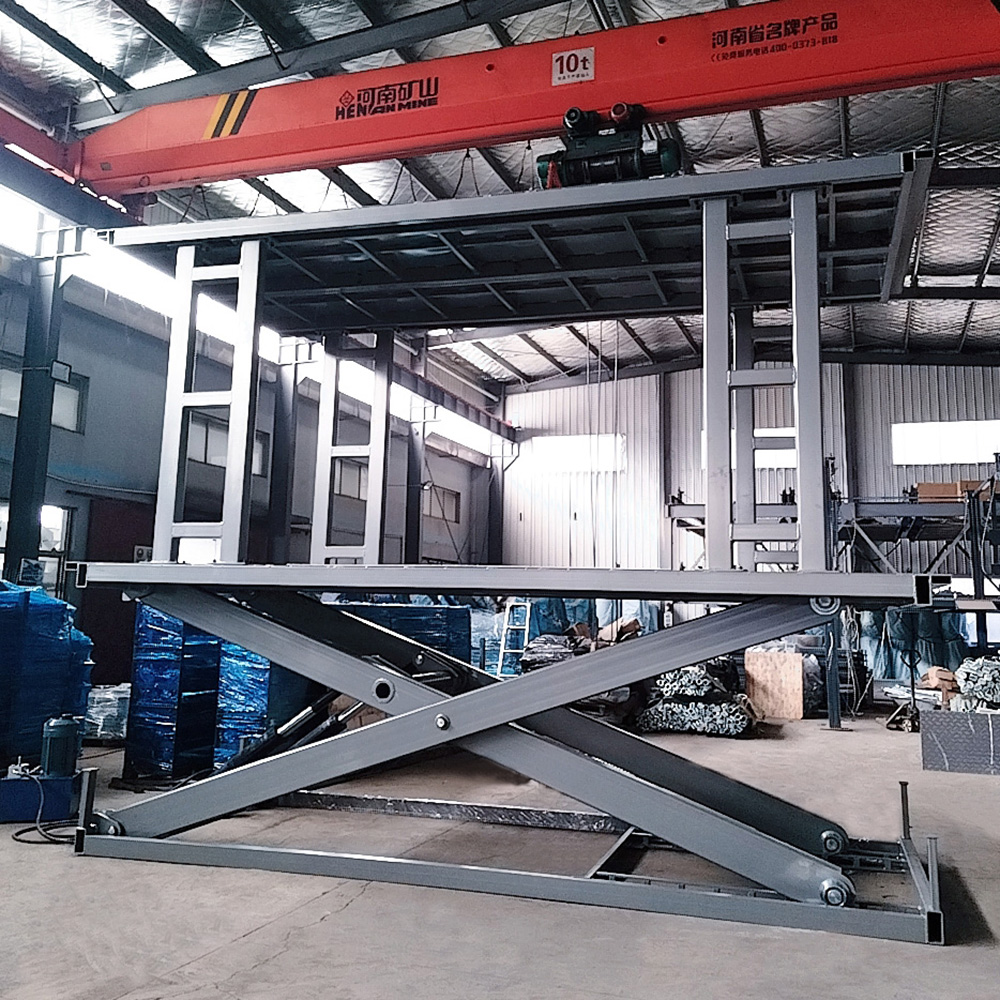
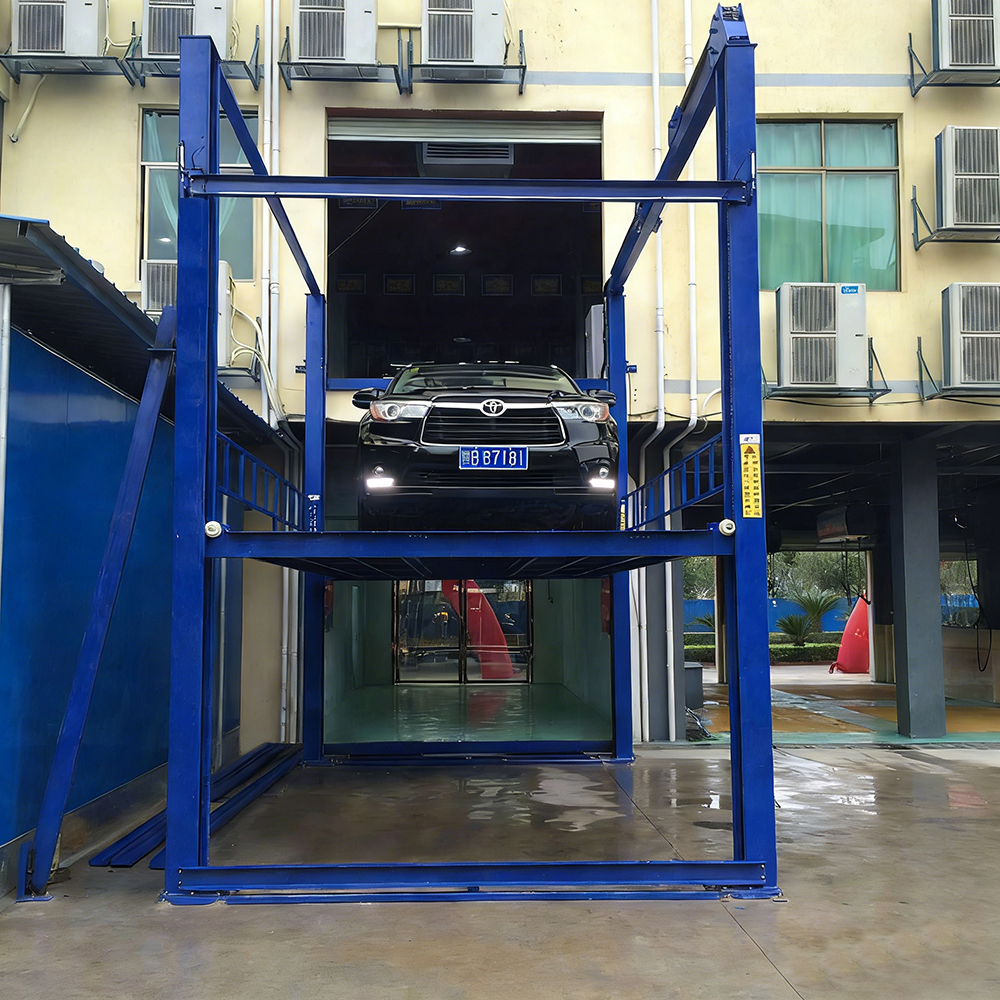
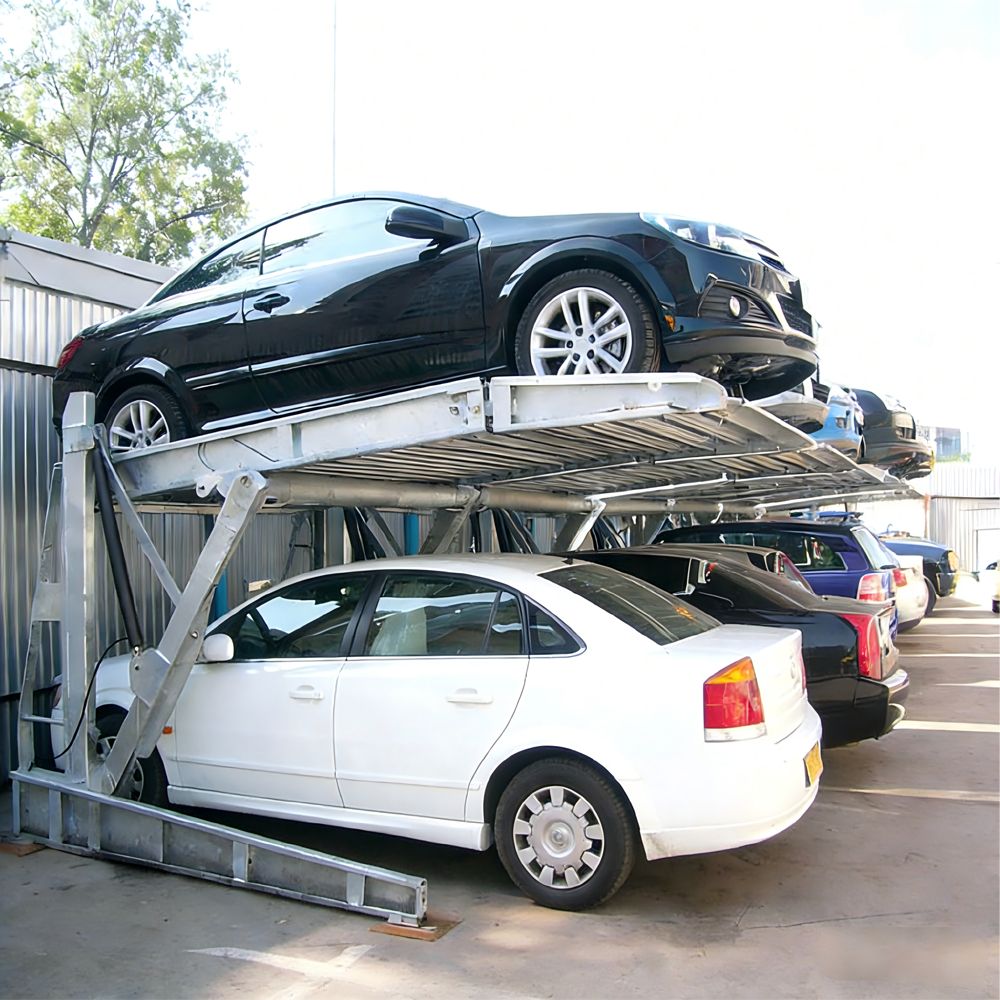
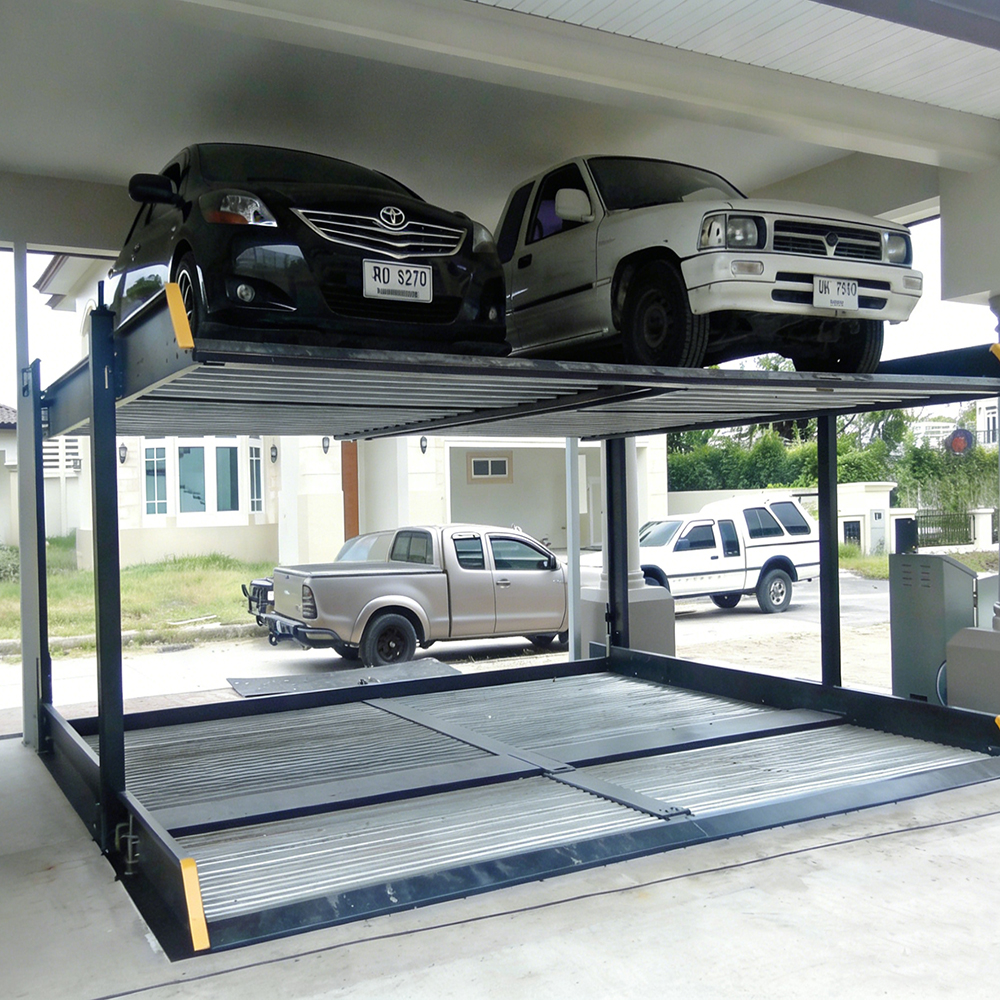
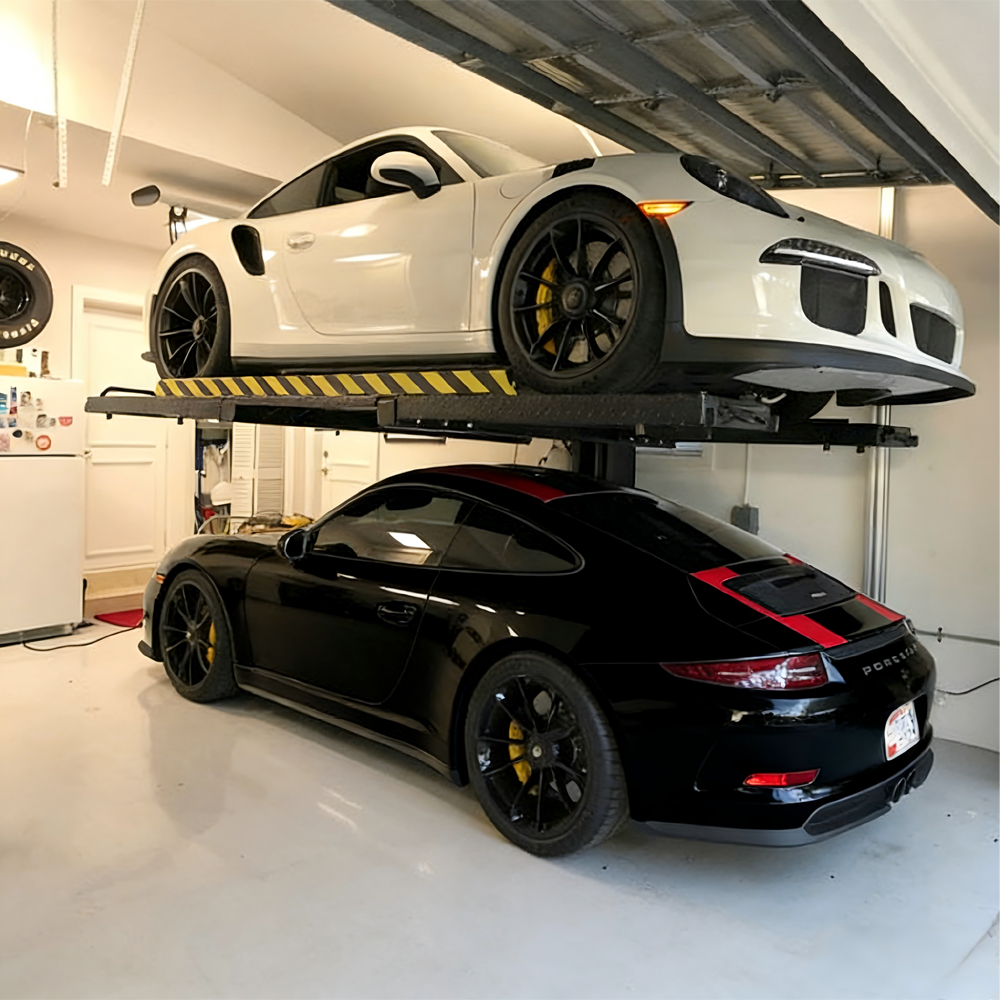
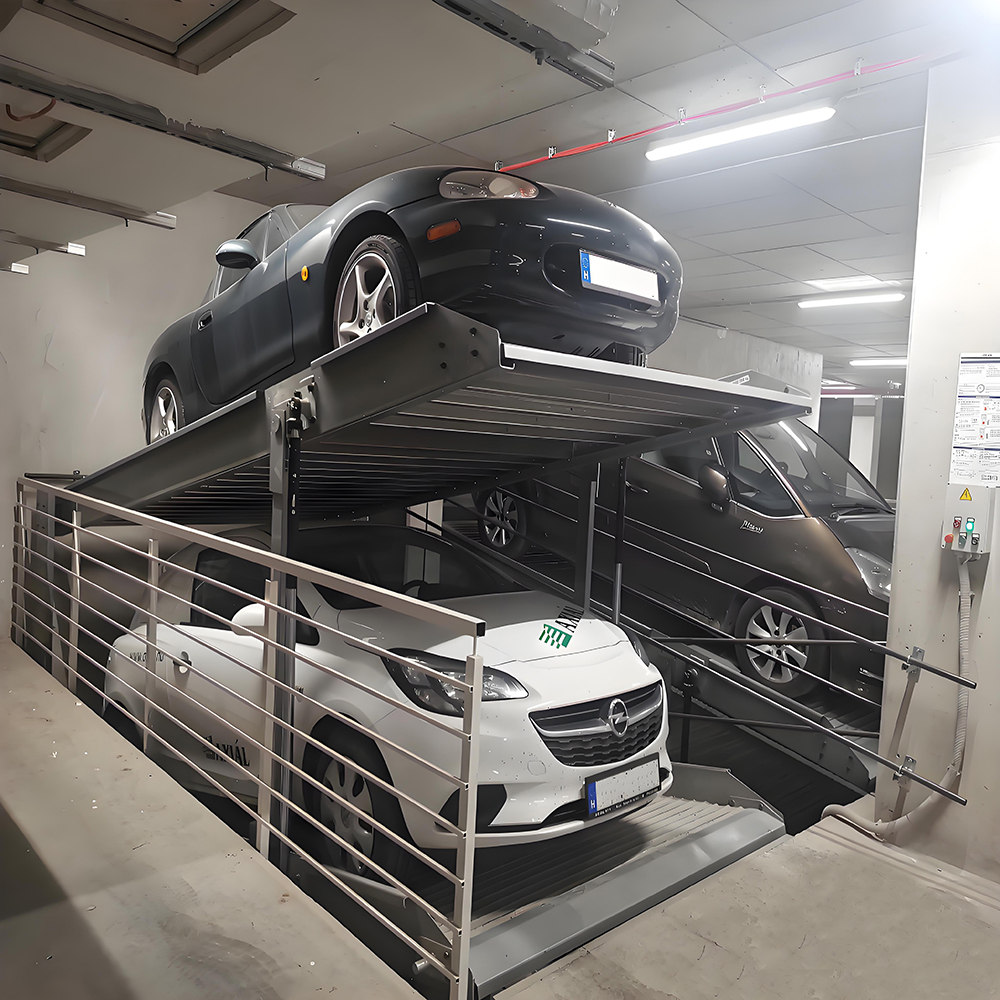
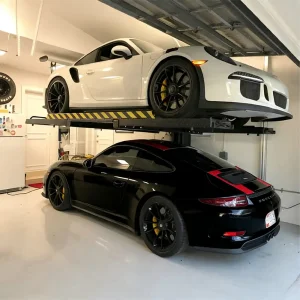
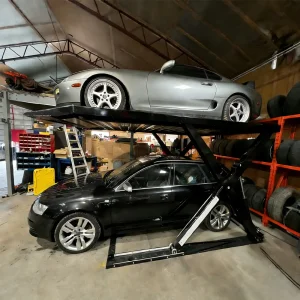
- Hydraulic Drive Systems: Typically preferred for double-level stackers, scissor configurations, and underground pits. Direct-acting hydraulic cylinders offer quiet operation and high lift capacities. When paired with proportional flow control valves, they deliver exceptionally smooth vertical travel curves.
3. China Factory 4.0: Supply Chain Resilience and Manufacturing Quality Control
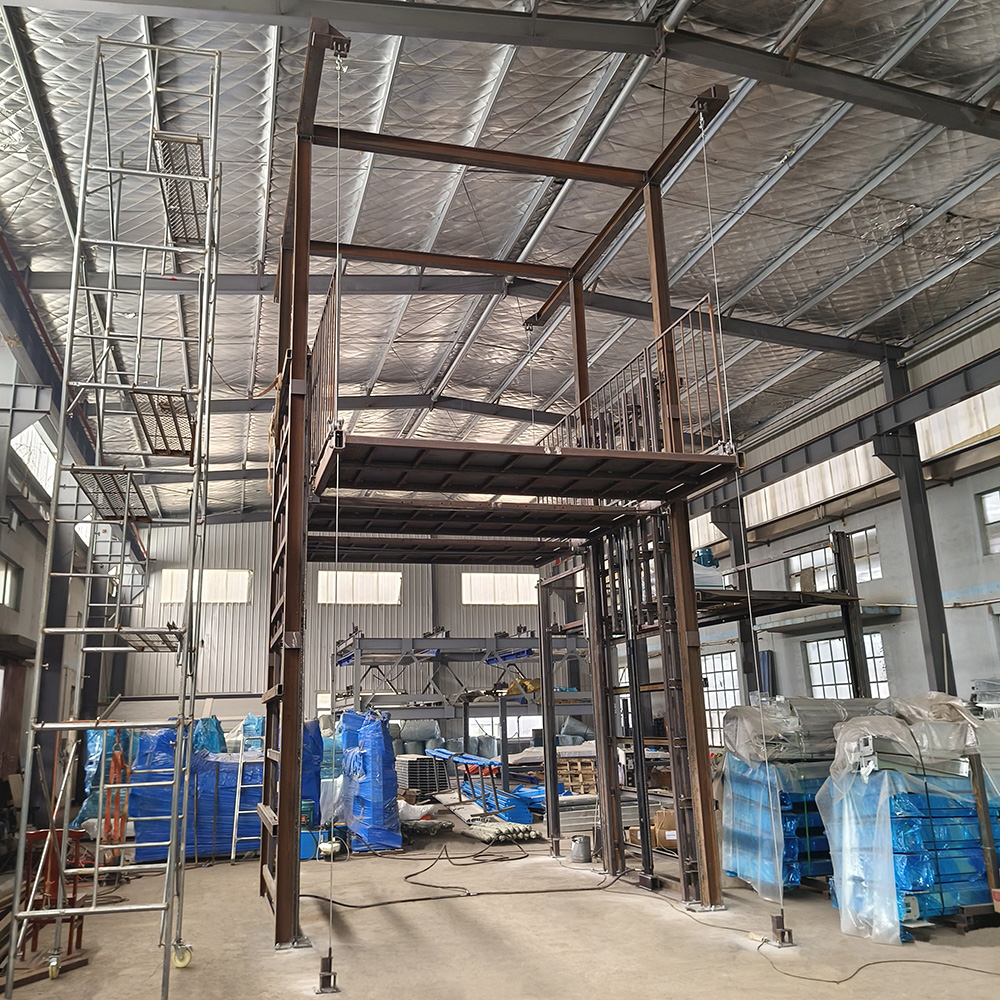
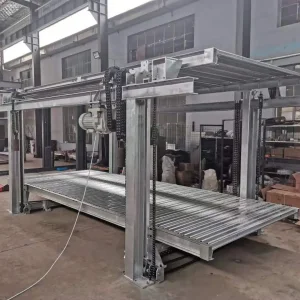
At our state-of-the-art facilities in Qingdao, the production of structural frame parking platforms leverages advanced manufacturing processes. Our factories utilize automated heavy-duty laser cutting tools and robotic welding arms to ensure dimensional precision across all load-bearing structural beams.
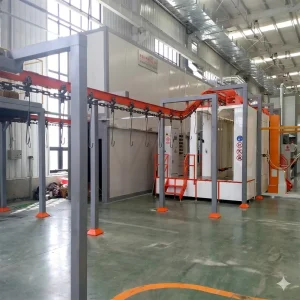
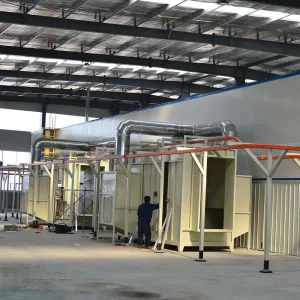
A key element of our manufacturing process is the integration of advanced electrostatic powder coating lines. Standard hot-rolled steel structures are prone to oxidation when exposed to moisture. By integrating automated sandblasting pretreatments with multi-stage curing lines, our components receive a dense, cross-linked polymer layer. This finish protects against moisture, salt spray, and chemical exposure, ensuring long-term structural integrity in harsh coastal environments.
4. Safety Redundancy: Strict Quality Standards & Compliance
Safety is paramount in vertical parking design. Our systems are engineered with multiple mechanical and electrical fallback mechanisms:
- Mechanical Anti-Fall Locks: Heavy-duty spring-loaded lock wedges engage automatically at every level, securing the platform in place and preventing accidental descents.
- Photoelectric Sensor Arrays: Positioned at the entry, exit, and platform perimeters, these sensors detect vehicle positioning and halt operations if an object breaks the safety beam.
- Overload & Slack Rope Detectors: Pressure transducers monitor hydraulic lines, while limit switches track lift tension to protect structural components from mechanical strain.