The urban topography of Seattle, Washington—defined by historic glacial hills, strict zoning under the Seattle Department of Construction & Inspections (SDCI), and the pressing mandate for high-density transit-oriented development (TOD)—demands progressive mechanical interventions. As land valuation across neighborhoods like South Lake Union, Capitol Hill, Queen Anne, and the Commercial Core escalates, traditional horizontal parking footprints have transitioned from inefficient to financially non-viable.
For modern architects, structural engineers, and commercial developers in Seattle, integrating heavy-capacity vertical transport such as car elevators is no longer an optional luxury. It is a critical spatial optimization strategy. High-performance vehicle lifts enable properties to access subterranean spaces and elevated parking platforms where traditional, space-consuming helical ramps are structurally or dimensionally impossible.
Information Gain Metric: Standard concrete parking ramps consume up to 35% of a building's subterranean floorplate. By replacing structural ramps with automated car elevators, developers can reclaim up to 2,500 square feet per level, generating critical space for additional residential units, retail frontage, or structural foundations.
Deploying heavy machinery in the Pacific Northwest requires rigorous adherence to localized regulations and geotechnical profiles. Seattle resides within a high-risk seismic zone (Seismic Design Category D through E), influenced by the Cascadia Subduction Zone and the Seattle Fault. Consequently, vertical vehicle transport systems must incorporate active and passive seismic countermeasures.
Every vehicle lift and car elevator operating in Washington must comply with the Washington Administrative Code (WAC) 296-96, managed by the Washington State Department of Labor & Industries (L&I) Elevator Division. The equipment must meet strict safety parameters, including ASME A17.1 (Safety Code for Elevators and Escalators) and, where applicable, ASME A18.1 or local amendments. Our engineering teams design systems with the necessary safety margins, overspeed governors, slack-rope/chain safety devices, and dual mechanical locking systems required to achieve certification under these rigorous guidelines.
Under seismic conditions, structural deflection and lateral loads can dislodge counterweights, deform guide rails, or rupture hydraulic piping. To prevent catastrophic failure, our car elevator systems configured for the Seattle market include:
Proximity to Puget Sound, Lake Washington, and local aquifers means many subterranean structures in Seattle experience high hydrostatic pressure and high water tables. For pit-mounted scissor lifts and pit parking systems, waterproofing and structural integrity of the pit are paramount. We work directly with Seattle project engineers to provide detailed pit loading drawings, oil-water separator integration configurations, and sump-pump layout considerations to ensure dry, safe, and code-compliant installations.
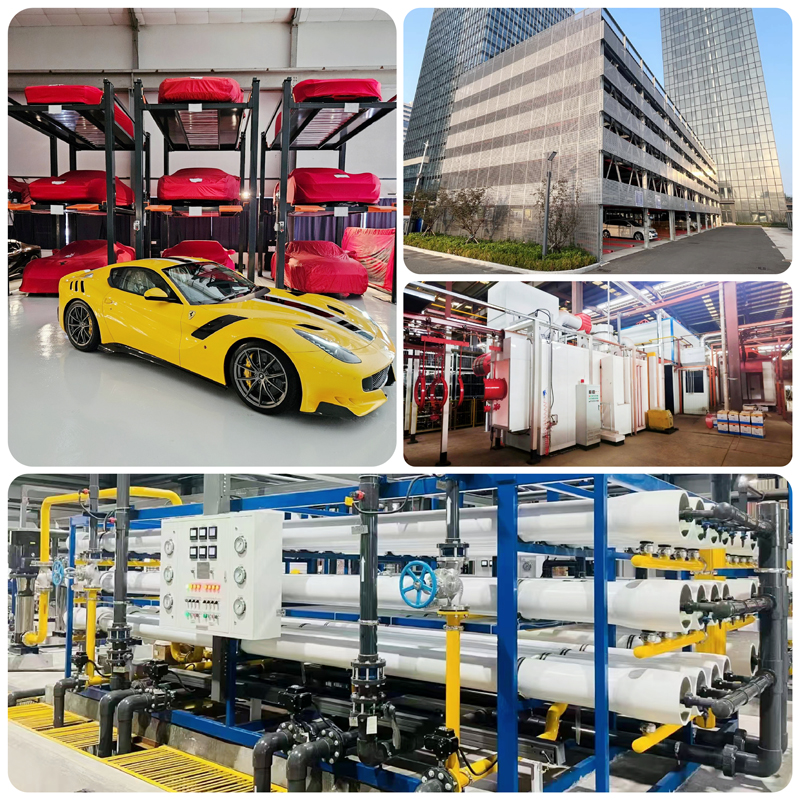
Qingdao Cherish is an integrated industry and trade enterprise dedicated to the design, manufacture, and global supply of intelligent parking equipment and industrial processing solutions. With strong engineering capabilities, modern manufacturing resources, and extensive international project experience, we deliver reliable systems that support modern urban infrastructure and industrial development worldwide.
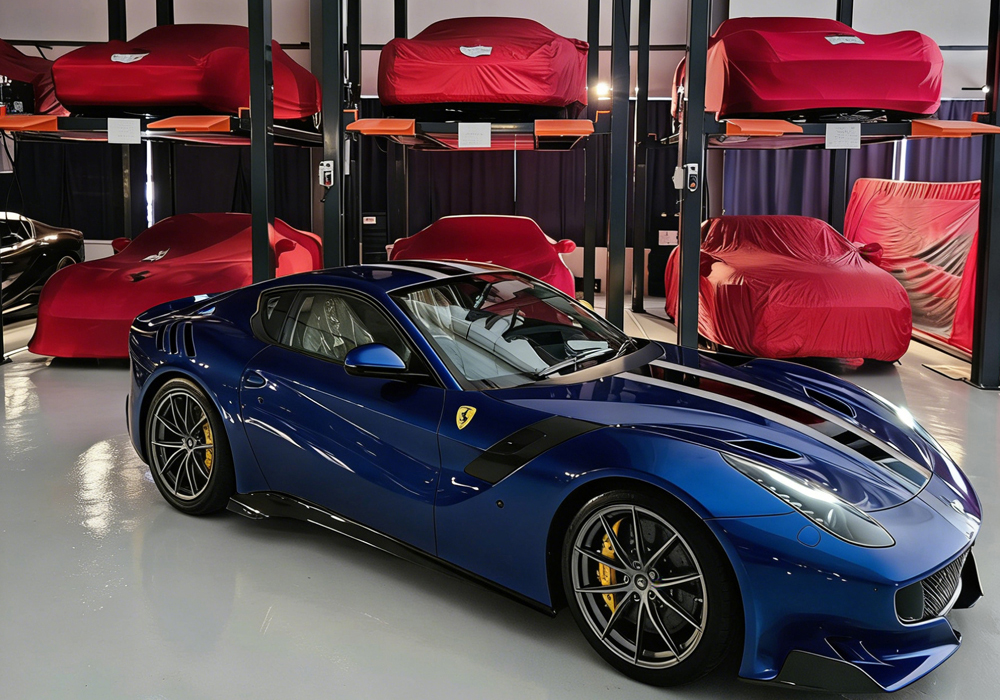
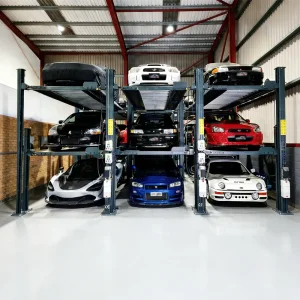
Our Parking Systems Division focuses on the development and production of car parking lifts, automated parking systems, car stackers, and customized parking solutions. Designed to maximize space utilization and operational efficiency, our systems are widely applied in residential buildings, commercial facilities, hospitals, and urban developments. Through continuous engineering innovation and strict quality control, we deliver safe, reliable, and space-saving parking solutions tailored to global project requirements.
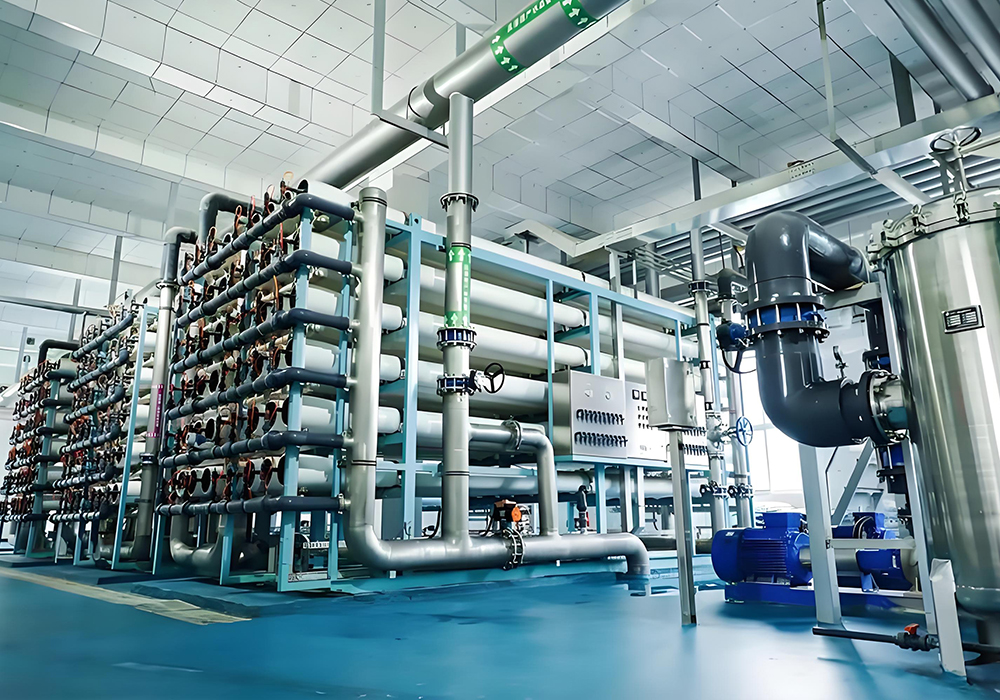
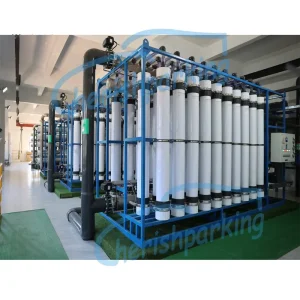
Our Industrial Equipment Division provides advanced powder coating lines and sewage treatment plant solutions for industrial applications. These systems are engineered to improve production efficiency, surface finishing quality, and environmental sustainability. By integrating automation technology with durable system design, we help clients optimize manufacturing processes while meeting modern environmental standards and regulatory requirements.
Selecting the optimal vertical vehicle transportation technology depends on factors such as lifting height, structural footprint, traffic throughput, and budget constraints. Below is a comprehensive comparison of our industrial-grade solutions engineered for Seattle developers.
| System Type | Typical Capacity Range | Maximum Lifting Height | Key Structural Requirement | Ideal Application Scenario |
|---|---|---|---|---|
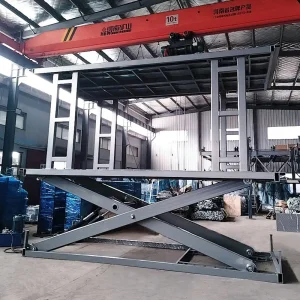
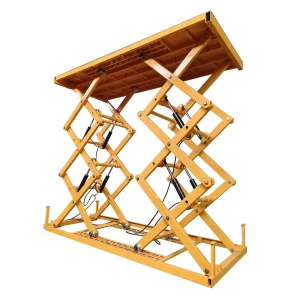
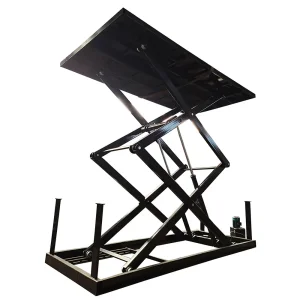
| Hydraulic Single Deck Scissor | 2,500 kg - 5,000 kg | Up to 6 meters | Requires concrete pit (depth depends on stroke) | Low-rise residential garages, villa basement access, showrooms. |
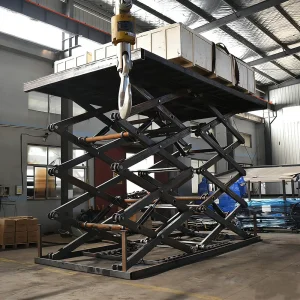
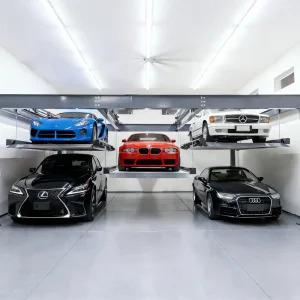
| Double Deck Pit Scissor (Invisible) | 3,000 kg - 6,000 kg | Up to 8 meters | Deep pit; reinforced drainage and seismic anchors | Multi-car storage for high-value properties without visual impact. |
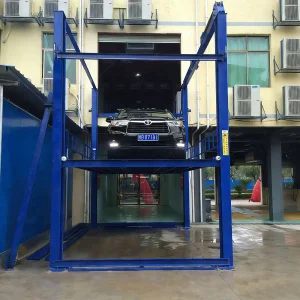
| Four Post Hydraulic Hoist | 3,000 kg - 10,000+ kg | Up to 15 meters | Overhead clearance, lateral wall bracing | Floor-to-floor commercial cargo & passenger-less car transport. |
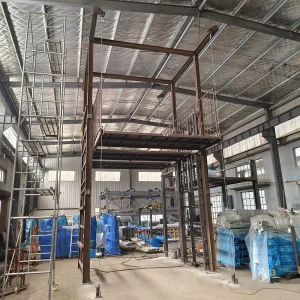
| Hydraulic Rail Guide Elevator | 2,000 kg - 5,000 kg | Up to 20 meters | Structural shaft wall or independent steel frame | High-rise parking structures, narrow shafts, minimal pit depth. |
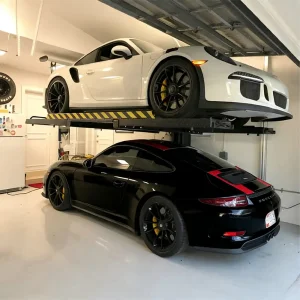
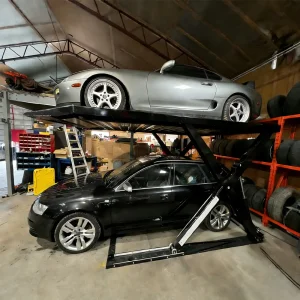
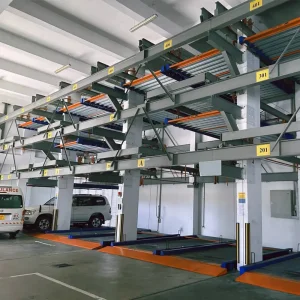
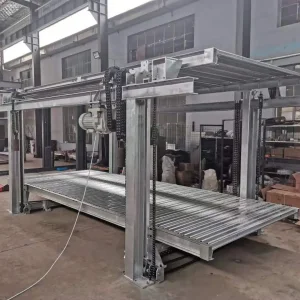
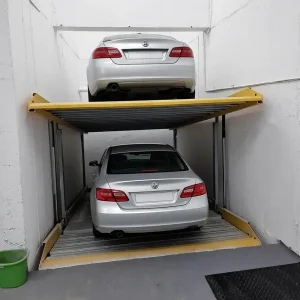
| Multi-Level Puzzle Parking | 2,000 kg - 2,500 kg per space | Up to 6 levels | Concrete pad with high load-bearing capacity | High-density commercial centers, urban residential apartments. |
procuring heavy industrial machinery from global factories requires transparent quality control systems and reliable shipping frameworks. At Qingdao Cherish, we bridge international manufacturing precision with localized delivery and commissioning support in Seattle.
All structural steel used in our manufacturing process undergoes rigorous surface treatment and testing. Welds are executed by certified AWS (American Welding Society) technicians and undergo non-destructive ultrasonic testing (NDT) to prevent structural fatigue. Every unit undergoes a rigorous Factory Acceptance Testing (FAT) cycle before containerization, wherein we simulate full rated load operation, cycle testing safety valves, and checking limit switch responsiveness.
Located near major commercial sea routes, we coordinate seamless door-to-door delivery directly to building sites in Seattle via the Port of Seattle. Our logistics team handles all customs clearance documents, heavy equipment permits, and coordinates with local rigging crews to ensure smooth crane operations and on-time site arrival during strict municipal work hours.
Our products are fully certified under European CE standards and manufactured in ISO 9001:2015 compliant facilities to guarantee mechanical excellence.
We operate advanced automatic powder coating lines that provide corrosion-resistant, high-durability finishes designed to withstand humid PNW climates.
Our hydraulic power units are compatible with biodegradable synthetic fluids, minimizing environmental risks and meeting clean water run-off codes.
The vehicle transportation industry is undergoing a digital revolution. Future-proofing real estate assets in technology-centric markets like Seattle means planning for the integrations of tomorrow. Our R&D team is continually pushing the boundaries of mechanical and digital technologies to deliver systems that seamlessly merge with modern smart buildings.
By integrating vibration sensors, temperature probes on hydraulic oil reservoirs, and cycle counters connected to a cloud-based diagnostics engine, our next-generation elevators notify facilities managers of maintenance requirements before a component failure occurs. This minimizes downtime in high-traffic residential or commercial garages.
As electric vehicle (EV) adoption surges in Washington, parking spaces on car lifts must adapt. Our engineering team designs custom busbar and cable-management track systems that feed power to EV charging stations mounted directly onto the moving lift platforms, ensuring safety and compliance with electrical fire protection codes.
For traction-based vehicle lifts, we are developing regenerative drive systems that capture gravitational energy during descent and feed it back into the building’s power grid, contributing to LEED certification points and significantly lowering operational utility bills.
Partner With Us on R&D Projects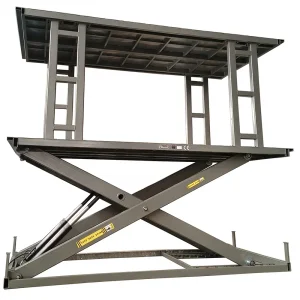
Collaborate directly with our engineering department. We provide comprehensive CAD drawings, BIM models, and structural loading calculations tailored to Seattle structural and seismic codes.
Send Inquiry Now Cherish