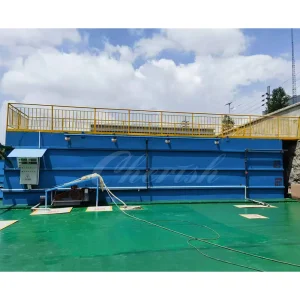
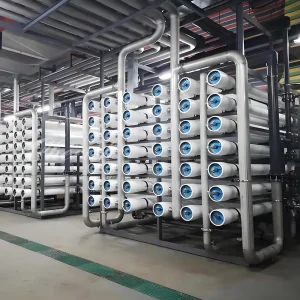
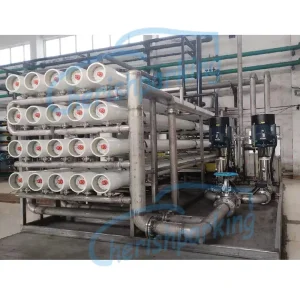
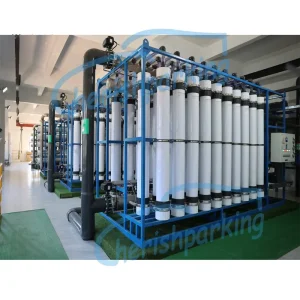
Engineered to withstand extreme GCC ambient temperatures, featuring maximum water recovery, low footprint, and full compliance with KSA MEWA & NWC discharge guidelines.
As one of the world's most water-scarce nations, the Kingdom of Saudi Arabia (KSA) has placed sustainable water management at the core of its economic transition. Under the umbrella of Saudi Vision 2030, the Ministry of Environment, Water and Agriculture (MEWA) along with the National Water Company (NWC) has initiated aggressive policies designed to dramatically reduce dependence on fossil groundwater and expensive energy-intensive seawater desalination. The strategic directive aims to recycle over 70% of municipal and industrial wastewater by 2030, repurposing it for agriculture, industrial cooling, municipal greening, and groundwater recharge.
In major industrial hubs administered by MODON (Saudi Authority for Industrial Cities and Technology Zones) in Riyadh, Jeddah, Dammam, and Jubail, compliance regulations have intensified. Factories are no longer allowed to dump untreated effluents into public sewers. There is a surging commercial demand for local and imported Sewage Treatment Plants (STP) and advanced wastewater treatment systems capable of delivering high-quality Treated Sewage Effluent (TSE). Investing in localized, high-performance biological and membrane-based purification plants is no longer just a corporate social responsibility (CSR) goal; it is a critical regulatory license to operate.
Any system deployed in the Kingdom must meet stringent microbial and chemical composition ceilings. Our industrial-grade Sewage Treatment Plants are customized specifically to meet or exceed these limits, ensuring hassle-free inspection and operations approvals from Saudi environmental authorities.
The sewage treatment and water reclamation industry in Saudi Arabia is undergoing rapid technological evolution. Several macroeconomic trends are reshaping how procurement managers and civil engineers select wastewater infrastructure:
Dealing with Middle Eastern wastewater requires specialized design tolerances. High salinity due to brackish groundwater infiltration, elevated ambient summer temperatures exceeding 50°C, and heavy dust/sand loads require customized engineering modifications. Below is our localized technological roadmap for KSA deployments:
Membrane Bioreactors replace gravity settling clarifiers with microfiltration or ultrafiltration membrane modules. MBR delivers unmatched effluent quality, effectively removing virtually all suspended solids and pathogens. The resulting TSE is immediately ready for high-value industrial reuse or agricultural irrigation.
Moving Bed Biofilm Reactors utilize specialized high-surface-area plastic carriers suspended in aerated biological tanks. This technology drastically increases biological loading capacity, enabling existing plants to double their output capacity without expanding their physical footprint.
By coupling Multi-Stage Filtration, Ultrafiltration (UF), and double-pass Reverse Osmosis (RO), we treat complex high-TDS effluents to meet pure boiler-feed water requirements. Designed with energy-recovery devices to reduce operation costs.
Entering the Saudi industrial market requires strict adherence to localized compliance certificates. Any equipment arriving at Saudi ports (Jeddah Islamic Port, King Abdulaziz Port in Dammam, etc.) must be registered with the SABER platform and carry appropriate SASO certificates. Furthermore, civil contractors must coordinate with local municipal offices and NWC representatives to obtain approval for the plant's structural and electrical drawings.
Our manufacturing facility designs systems with components sourced from internationally recognized, SASO-compliant brands (such as Siemens PLCs, Grundfos pumps, and Dow membranes) to streamline import clearance. We provide exhaustive engineering drawings (P&ID, General Arrangement, Single Line Diagrams) to help local engineering teams obtain permissions from NWC and civil defense authorities with minimum friction.
| Parameter / Specification | Standard Sewage Treatment Plant | Saudi Arabia High-Ambient Config | Primary Application / Benefit |
|---|---|---|---|
| Operational Temperature Limit | 5°C - 38°C | Up to 55°C Ambient (Extreme Heat) | Prevents thermal bacterial die-off in desert sumps |
| Enclosure Ratings | IP54 / NEMA 3 | IP65 / IP66 Dustproof & Sandproof | Protects electrical VFDs & PLC units in sandstorms |
| Biological Process Tank Material | Carbon Steel / Standard Coating | FRP, Hot-Dip Galvanized, or SS316L | Resists high chloride levels from groundwater infiltration |
| Control Systems | Basic Relay / Standalone PLC | Smart IoT Connected PLC with Remote GSM SCADA | Enables remote troubleshooting from global service team |
Buying sewage treatment plant machinery from overseas requires meticulous design synchronization. Our team acts as an integrated engineering partner, ensuring the manufacturing phase matches the physical installation conditions in Saudi Arabia. We divide our procurement process into structured, clear steps to ensure zero deviations:
As smart cities emerge throughout Saudi Arabia, sewage treatment is transitioning into a data-driven utility. Modern plants utilize online sensor grids to measure dissolved oxygen (DO), oxidation-reduction potential (ORP), and turbidity in real time. Machine learning algorithms analyze this data to automatically throttle blowers, reducing energy consumption by up to 30%. Furthermore, modular plants are increasingly paired with solar PV microgrids to operate completely off-grid, providing sustainable water treatment to remote tourism developments and utility outposts across the desert.
Answers to key engineering and logistical queries regarding Sewage Treatment Plant deployment in KSA.
Qingdao Cherish is an integrated industry and trade enterprise dedicated to the design, manufacture, and global supply of intelligent parking equipment and industrial processing solutions. With strong engineering capabilities, modern manufacturing resources, and extensive international project experience, we deliver reliable systems that support modern urban infrastructure and industrial development worldwide.
Founded by a team of experienced engineers and international business professionals, the company was established with a clear mission: to provide efficient, durable, and sustainable equipment solutions through continuous innovation, precision manufacturing, and customer-focused service. From initial concept design and technical planning to production, delivery, and after-sales support, we ensure consistent quality and dependable performance throughout every project lifecycle.
Today, our business operates through two specialized divisions to better serve diverse market needs and provide focused expertise across different industries.
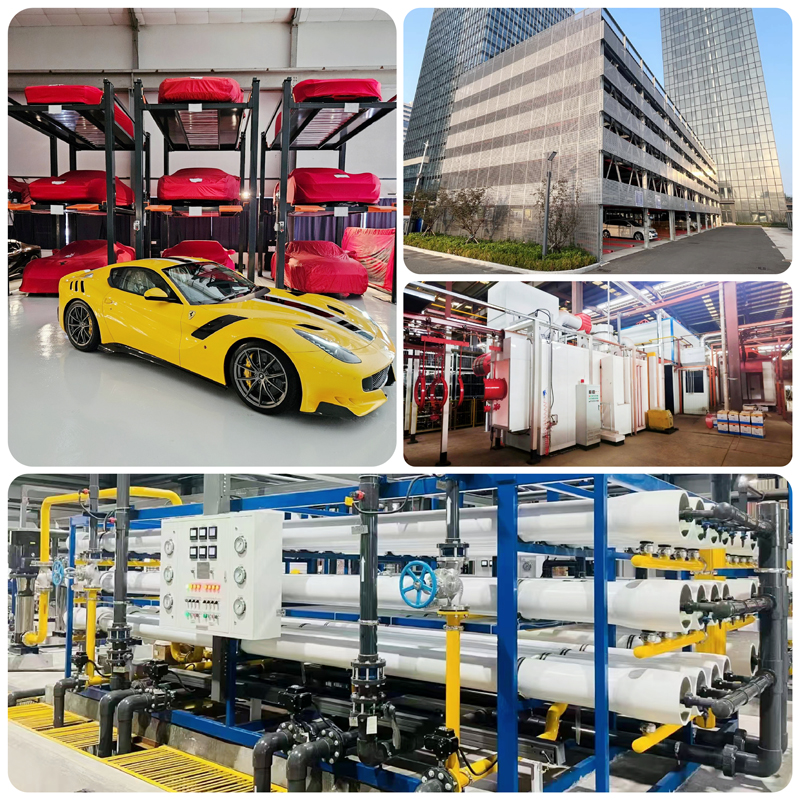
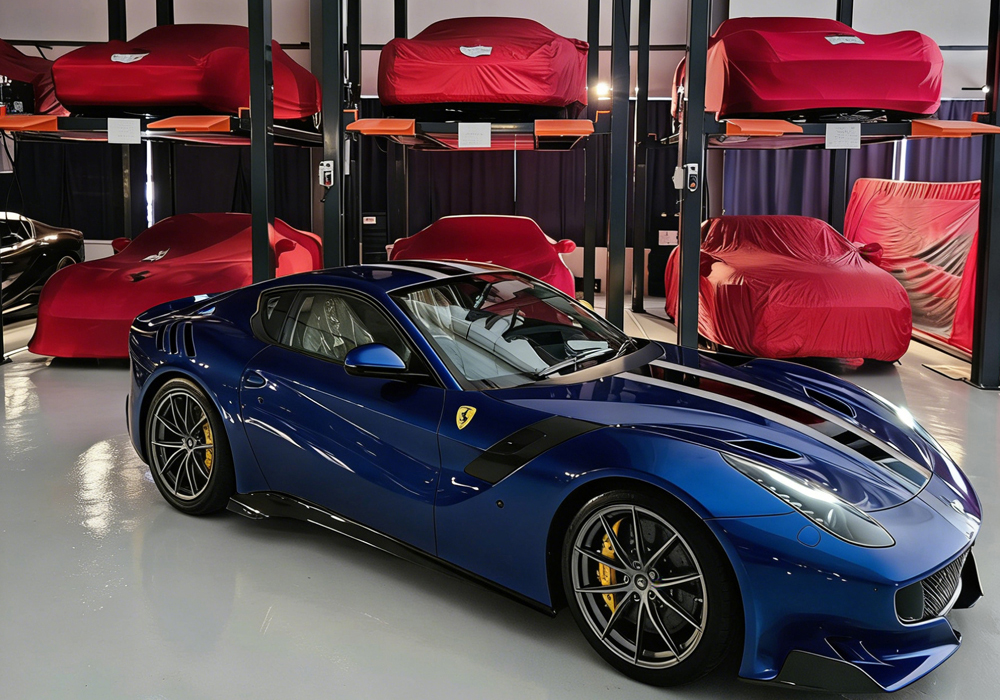
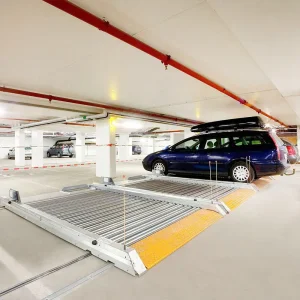
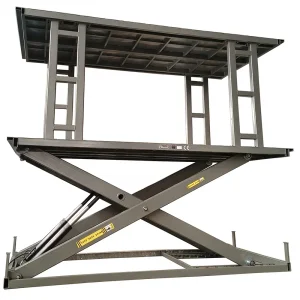
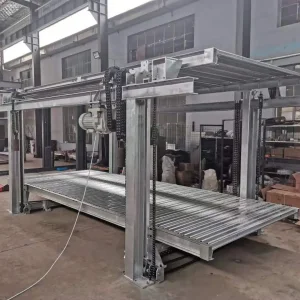
Our Parking Systems Division focuses on the development and production of car parking lifts, automated parking systems, car stackers, and customized parking solutions. Designed to maximize space utilization and operational efficiency, our systems are widely applied in residential buildings, commercial facilities, hospitals, and urban developments. Through continuous engineering innovation and strict quality control, we deliver safe, reliable, and space-saving parking solutions tailored to global project requirements.
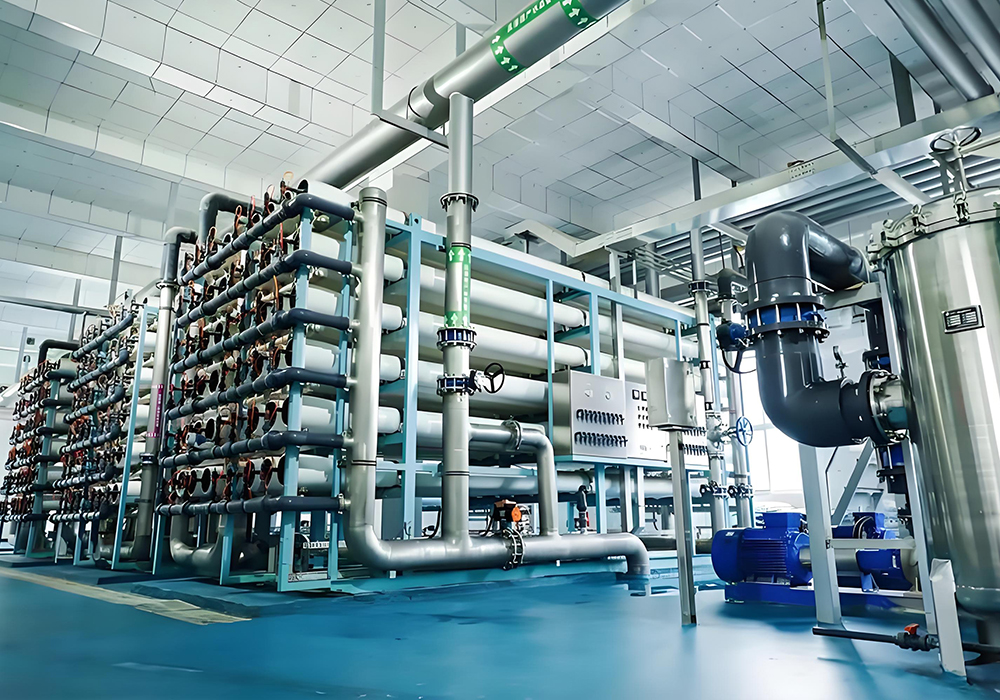
Our Industrial Equipment Division provides advanced powder coating lines and sewage treatment plant solutions for industrial applications. These systems are engineered to improve production efficiency, surface finishing quality, and environmental sustainability. By integrating automation technology with durable system design, we help clients optimize manufacturing processes while meeting modern environmental standards and regulatory requirements.
Guided by our core values — quality, innovation, reliability, and long-term partnership — Qingdao Cherish has steadily expanded its presence across international markets. We are committed to delivering cost-effective solutions, professional technical support, and long-term value to partners worldwide. Looking ahead, we aim to become a trusted global provider of intelligent parking and industrial engineering solutions, contributing to smarter cities and more sustainable industries.
High-quality, CE-certified parking lifts, automated vehicle stackers, and industrial coating installations engineered for durability.

 Cherish