Engineered to comply with MWRA discharge limits and EPA NPDES guidelines, these systems provide local businesses and industrial complexes with optimal recycling and purification efficiency.
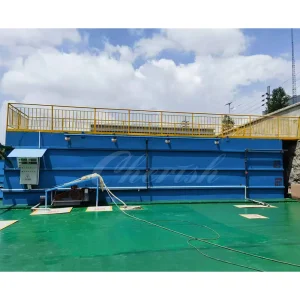
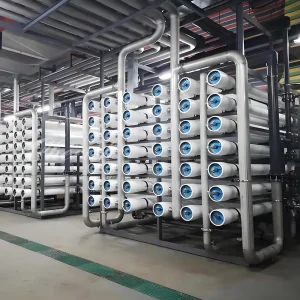
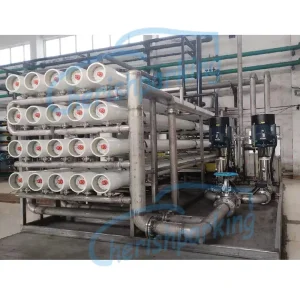
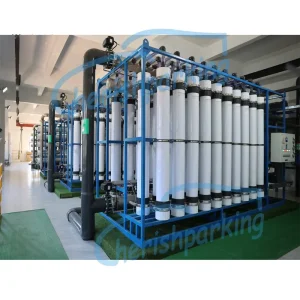
Serving the Boston metropolitan area requires an acute understanding of the regional water infrastructure managed by the Massachusetts Water Resources Authority (MWRA). As one of the oldest industrial centers in the United States, Boston balances a historic combined sewer network with cutting-edge biomedical, technological, and manufacturing corridors along Route 128 and the Kendall Square Innovation District.
Environmental compliance in Massachusetts is heavily dictated by the EPA’s National Pollutant Discharge Elimination System (NPDES) permits and the Massachusetts Department of Environmental Protection (MassDEP) Title 5 regulations. Industrial effluents from local biotech laboratories, commercial food processing facilities, and manufacturing plants face severe scrutiny regarding Biochemical Oxygen Demand (BOD), Total Suspended Solids (TSS), Chemical Oxygen Demand (COD), pH fluctuation, and heavy metals. Decentralized wastewater treatment plants (WWTPs) are rapidly becoming the preferred approach to alleviate the hydraulic load on municipal infrastructure and avoid punitive surcharge rates.
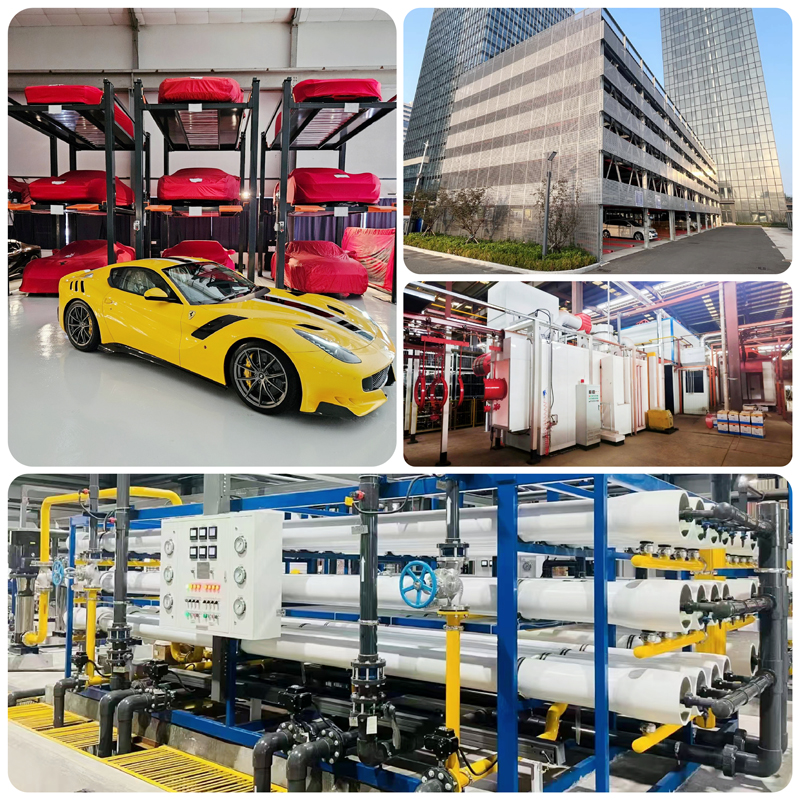
Understanding how global enterprises source and validate sewage treatment assets is critical for seamless integration and long-term asset lifecycle efficiency.
Modern global procurement teams demand systems that guarantee rapid installation, structural longevity, and energy optimization. Standard specifications are no longer restricted to performance outputs; they encompass modular containerized delivery, full integration with facility Supervisory Control and Data Acquisition (SCADA) platforms, and strict adherence to structural design codes (e.g., AISC for structural steel, ASME for pressure vessels, and UL-508A for electrical control panels).
Pre-engineered containerized packages reduce onsite civil works by up to 70%. Systems are fully piped, wired, and factory-tested prior to shipment, enabling rapid deployment in congested urban landscapes like Boston.
Designed by accredited environmental engineers with over a decade of municipal and industrial wastewater experience. Structural analysis reports and biological kinetics models are provided for permitting authorities.
Equipped with variable frequency drives (VFDs) and high-efficiency aeration blowers. Integrated cloud-based data tracking allows remote support teams to monitor dissolved oxygen (DO) and transmembrane pressure (TMP) in real-time.

Qingdao Cherish is an integrated industry and trade enterprise dedicated to the design, manufacture, and global supply of intelligent parking equipment and industrial processing solutions. Our operations are bifurcated into two specialized divisions to deliver maximum engineering efficiency:
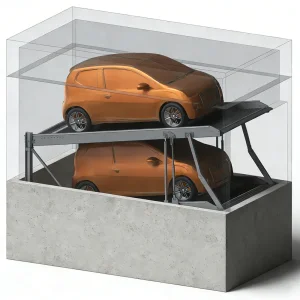
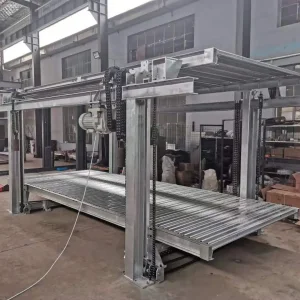
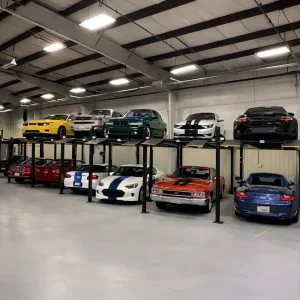
Parking Systems Division: Focuses on space optimization through double-level and multi-level mechanical lifts, automated puzzle parking systems, and vertical car elevators designed for tight residential and commercial footprints in Boston.
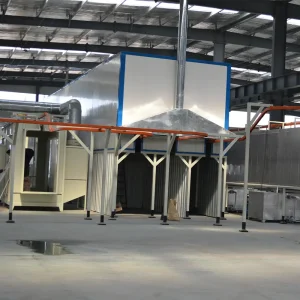
Industrial Equipment Division: Specializes in advanced powder coating lines, industrial washing systems, and state-of-the-art municipal and industrial wastewater purification systems (RO, UF, MBR) tailored to support high-efficiency production and compliance with strict environmental standards.
Below is the technical matrix illustrating the performance thresholds of our containerized sewage and industrial water systems.
| Parameter | Influent Limitations | Effluent Standard (MWRA Guideline) | Technology Utilized |
|---|---|---|---|
| Biochemical Oxygen Demand (BOD5) | 150 - 400 mg/L | < 10 mg/L | Moving Bed Biofilm Reactor (MBBR) + MBR |
| Total Suspended Solids (TSS) | 200 - 500 mg/L | < 5 mg/L | Membrane Bioreactor (MBR) / UF Filtration |
| Chemical Oxygen Demand (COD) | 300 - 800 mg/L | < 30 mg/L | Advanced Oxidation Process (AOP) + Anoxic/Aerobic biological treatment |
| Total Nitrogen (TN) / Phosphorus | 45 - 80 mg/L / 8 - 15 mg/L | < 10 mg/L / < 1 mg/L | Denitrification stages + Chemical Coagulant Dosing |
| Salt / Mineral Salinity | Up to 35,000 ppm (Seawater) | < 500 ppm (TDS) | Reverse Osmosis (RO) with High-Recovery Membranes |
Winter in New England poses severe biological challenges for outdoor wastewater treatment systems. When water temperatures fall below 10°C, the metabolic activity of nitrifying bacteria drops significantly, threatening discharge compliance for ammonia and nitrogen compounds.
To mitigate this risk, our systems deployed in the Boston market feature comprehensive cold-weather engineering: double-walled polyurethane insulated enclosures, immersion heating elements controlled by PLC algorithms, and automated biological recycling cycles that maintain system temperatures within the optimal microbial range. By maintaining heat within the reaction vessels, biological nitrification pathways continue uninterrupted even during freezing coastal blizzards.
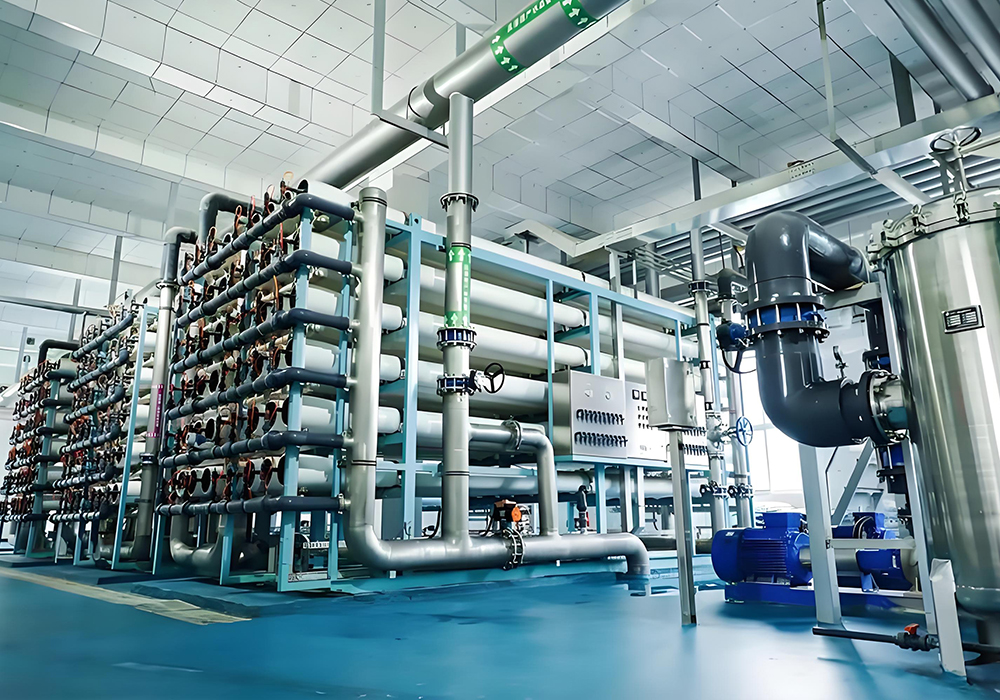
Critical answers for environmental consultants, facility engineers, and procurement managers targeting wastewater compliance.
Our systems are designed using a combination of biological nitrification/denitrification, membrane bioreactors (MBR) for physical filtration, and activated carbon/AOP polishing steps. This multi-barrier design ensures that effluent variables (BOD, TSS, metals, fats/oils/grease) consistently fall below the daily and monthly maximum concentration limits defined under MWRA Sewer Use Regulations 360 CMR 10.000.
We offer a comprehensive cold-climate packaging package. This includes 50mm double-skin polyurethane insulated container walls, inline biological heating loops with automated PLC temperature feedback controls, trace-heating for external piping manifolds, and high-efficiency air blowers that utilize ambient heat recapture to maintain internal wastewater basin temperature above 12°C.
The Membrane Bioreactor systems are highly automated. Routine operations include automated backwashing every 10–15 minutes and chemical Clean-In-Place (CIP) cycles utilizing sodium hypochlorite and citric acid once every 3 to 6 months depending on organic loading. The PLC monitors transmembrane pressure (TMP) to notify operators when a CIP cycle is necessary.
Yes, all our control panels are equipped with Siemens or Allen-Bradley PLCs featuring Modbus TCP/IP, EtherNet/IP, or Profinet communication protocols. This allows full telemetry integration with local SCADA control systems, facilitating remote start/stop operations, fault logging, and sensor readout monitoring (DO, pH, flow rates, turbidity).
All electrical control enclosures can be constructed with UL 508A certifications to comply with US National Electrical Code (NEC) regulations. Pressure vessels, media filters, and reverse osmosis housings can be designed and stamped according to ASME Section VIII requirements.
For chemical or laboratory wastewater, we integrate a dedicated chemical dosing neutralization step (acid/alkali correction) followed by advanced oxidation (AOP) and dual-stage reverse osmosis. For high-salinity brackish water or coastal seawater intake, our specialized RO Desalination Plants use high-rejection composite membranes designed to withstand high osmotic pressures and remove 99.8% of dissolved salts.
Engineered for high spatial efficiency, structural safety compliance, and robust coating finishes. Browse our internationally certified products below.


 Cherish