Advanced containerized systems, reverse osmosis solutions, and ultrafiltration units configured for industrial and municipal application across the Russian Federation.
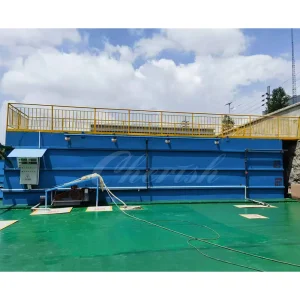
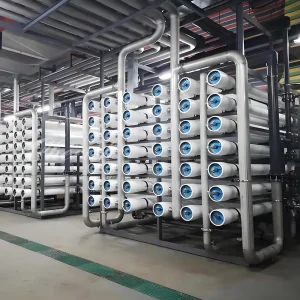
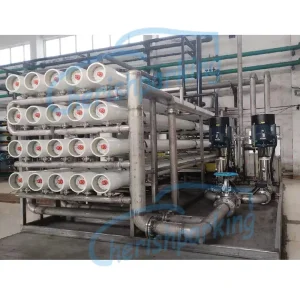
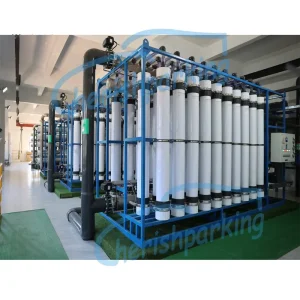
The wastewater treatment landscape in the Russian Federation is undergoing a massive structural transformation. Driven by stringent federal initiatives such as the "Clean Water" (Чистая вода) and the "Volga River Recovery" (Оздоровление Волги) projects under the National Ecology Project, regulatory bodies have intensified requirements for effluent quality. Companies operating across sectors like mining, metallurgy, petrochemicals, and municipal management must align their wastewater output with strict limits defined by the Russian SanPiN and Vodokanal discharge criteria.
A primary challenge for modernizing Russia’s water treatment assets is the transition from legacy, energy-intensive chemical treatment mechanisms to advanced membrane separation, high-efficiency biological reactors (MBR/MBBR), and Zero Liquid Discharge (ZLD) configurations. Furthermore, operating in sub-zero territories (such as Siberia, the Urals, and Arctic development zones) presents extreme thermal challenges for biological treatment kinetics. Standard modular treatment installations require advanced insulation, thermal tracing systems, and specialized container design to prevent system freeze-ups and maintain high microbiological activity.
Globally, municipal and industrial water treatment is evolving from simple treatment-and-discharge workflows into integrated water resource recovery. Wastewater plants are now regarded as resource facilities that produce purified process water, reclaim high-value industrial minerals, and generate bio-gas. Due to tightening climate frameworks, companies worldwide are implementing energy-optimized treatment plants to limit carbon footprints. Technology pathways such as high-efficiency reverse osmosis, ultrafiltration, and computerized supervisory control systems (SCADA) are the cornerstone of this evolution. Our enterprise supplies top-tier equipment that bridges this technology gap, offering the Russian market reliable, localized solutions that match European and international standards.
Dual-layer polyurethane sandwich panel housing and thermal tracking options guarantee full operation down to -50°C.
Systems engineered specifically to meet Russian environmental discharge requirements for COD, BOD, and suspended solids.
Equipped with intelligent PLC control units to dynamically modulate aeration rates, reducing operational power demands.
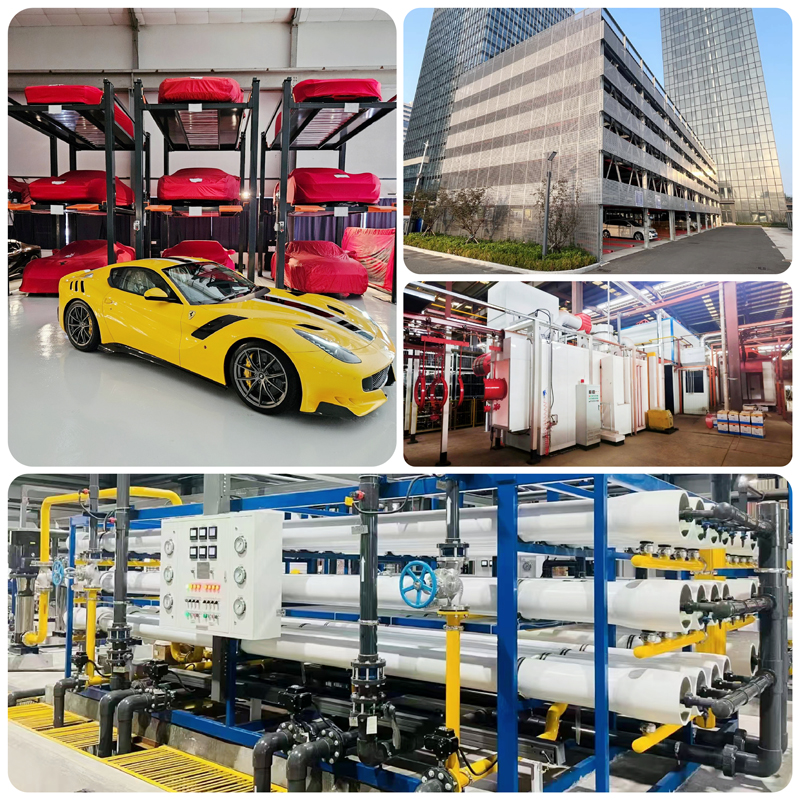
Qingdao Cherish is an integrated industry and trade enterprise dedicated to the design, manufacture, and global supply of intelligent parking equipment and industrial processing solutions. With strong engineering capabilities, modern manufacturing resources, and extensive international project experience, we deliver reliable systems that support modern urban infrastructure and industrial development worldwide.
Founded by a team of experienced engineers and international business professionals, our mission is to provide efficient, durable, and sustainable equipment solutions through continuous innovation, precision manufacturing, and customer-focused service. From initial concept design and technical planning to production, delivery, and after-sales support, we ensure consistent quality and dependable performance throughout every project lifecycle.
Become an Authorized Industrial Partner in RussiaWe operate through two specialized divisions to better serve diverse global market needs and provide focused technical expertise.

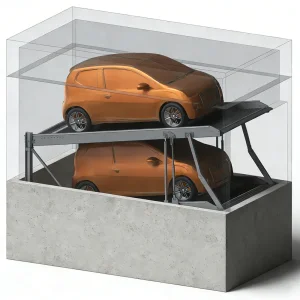
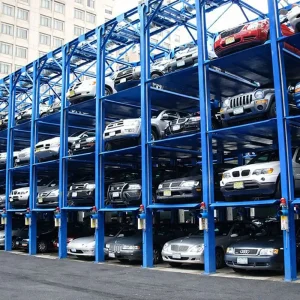
Our Parking Systems Division focuses on the development and production of car parking lifts, automated parking systems, car stackers, and customized parking solutions. Designed to maximize space utilization and operational efficiency, our systems are widely applied in residential buildings, commercial facilities, hospitals, and urban developments. Through continuous engineering innovation and strict quality control, we deliver safe, reliable, and space-saving parking solutions tailored to global project requirements.
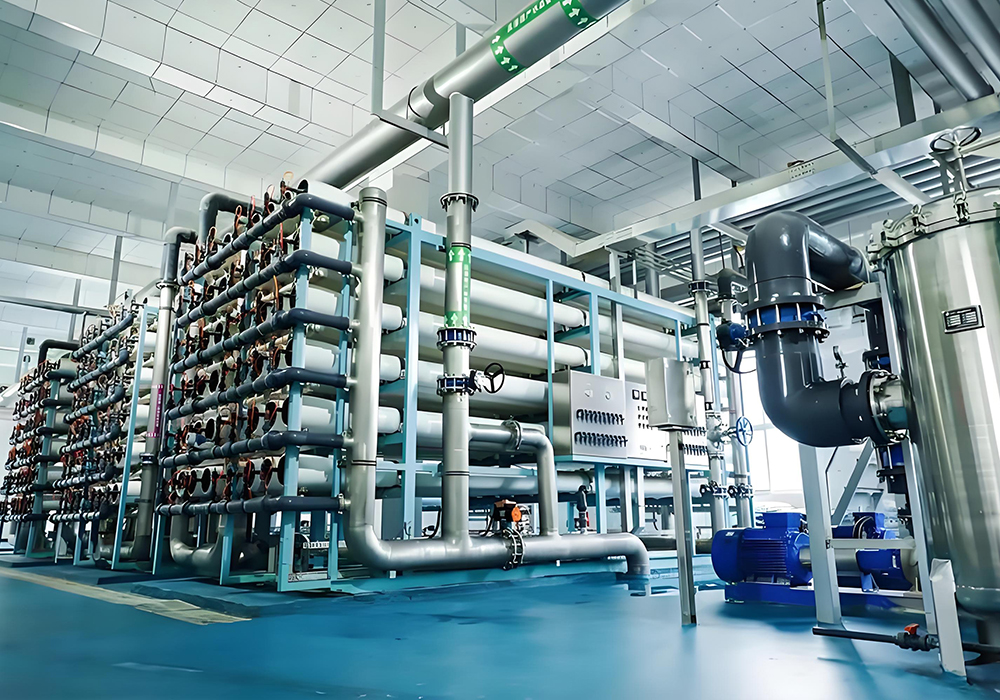
Our Industrial Equipment Division provides advanced powder coating lines and sewage treatment plant solutions for industrial applications. These systems are engineered to improve production efficiency, surface finishing quality, and environmental sustainability. By integrating automation technology with durable system design, we help clients optimize manufacturing processes while meeting modern environmental standards and regulatory requirements.
When delivering wastewater treatment solutions to the Russian market, standard engineering templates fail. The severe seasonal temperature fluctuations—ranging from a brief humid summer to prolonged periods of sub-zero temperatures down to -45°C or lower in northern regions—demand a comprehensive approach to thermal dynamics and structural load limits. Biological processes, particularly nitrification and denitrification, rely heavily on temperature stability. If the liquid temperature drops below 10°C, biological action slows down; if it drops below 5°C, biological purification effectively ceases.
To address these conditions, our Integrated Domestic Sewage Treatment Plants employ a multi-layered insulation containerized configuration:
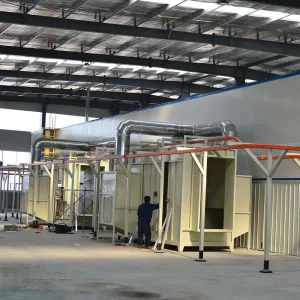
In addition to water treatment, our industrial division manufactures high-performance automatic powder coating lines. Designed for heavy machinery, automotive components, and structural metalwork, these systems ensure that final coatings can withstand high mechanical stress and salt spray environments. Integrated with automatic recovery systems, our booths achieve up to 99% powder recovery efficiency, delivering a clean working environment and cost savings.
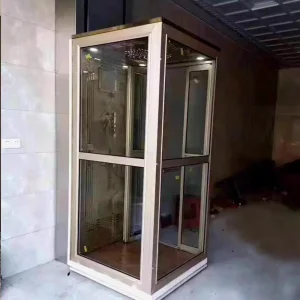
Explore our range of certified mechanical parking lifts, industrial painting lines, and automated vehicle storage systems designed for demanding environments.


The diversity of Russia's geography requires tailored wastewater solutions that address specific regional challenges:
Mining operations produce complex effluents containing high concentrations of heavy metals, suspended particles, and dissolved salts. Traditional chemical precipitation struggles to meet strict discharge criteria during spring snowmelts. Our combined Ultrafiltration (UF) and Reverse Osmosis (RO) systems offer a reliable barrier. They remove over 99.5% of heavy metal ions and suspended compounds, allowing mining sites to recycle up to 85% of their water, minimizing fresh water consumption in delicate Siberian ecosystems.
With the rehabilitation of municipal pipelines and environmental limits on discharges into the Volga Basin, municipal wastewater installations require retrofitting. Our containerized integrated domestic sewage systems are well-suited for suburban communities, resorts, and small municipal municipalities. These systems feature plug-and-play installation, low power consumption, and MBR filtration that removes pathogenic bacteria without requiring extensive chemical disinfection.
For automotive components, electronics, and heavy machinery production, manufacturing facilities rely on water of high purity. In addition, these facilities run automated finishing departments such as powder coating lines. Our reverse osmosis systems supply demineralized water of exact specifications to prevent mineral staining during cleaning and pre-treatment phases, while our powder coating systems are designed to maximize throughput and minimize waste.
Detailed technical and structural answers regarding Sewage Treatment and Industrial equipment deployment in Russia.
Our systems designed for Russia feature multi-layered insulation utilizing 100mm to 150mm thick polyurethane sandwich panels. We also integrate localized thermostat-controlled trace heating loops and utilize building heat exchange units. Aeration piping is routed sub-surface below the frost line to preheat inlet air, preventing thermal shock inside the bioreactor.
Yes, our wastewater treatment technologies are designed to meet standard Russian regulatory requirements, including SanPiN 2.1.5.980-00 (protection of surface waters). The multi-stage process—comprising pre-filtration, biological treatment (MBR/MBBR), and final filtration—is engineered to produce water that conforms to local environmental standards.
The main structural components, including the carbon steel container shell treated with epoxy coal tar coating, are rated for an operational lifespan exceeding 20 years. Membranes (UF/RO) typically require cleaning and replacement every 3 to 5 years, depending on water hardness and pre-filtration maintenance.
Yes, they are designed with fully automated PLC architectures that enable remote monitoring and control via SCADA or cellular data networks. The system can operate with minimal personnel oversight, requiring only routine maintenance checks and replenishment of chemical feedstocks.
 Cherish