Sewage Treatment Plant Manufacturers & Products in Israel

Empowering Israel's Industrial and Municipal Sectors with Global-Scale Water Reclamation, Desalination, and Next-Generation Smart Space Infrastructure Solutions.

Integrated Engineering Solutions Provider

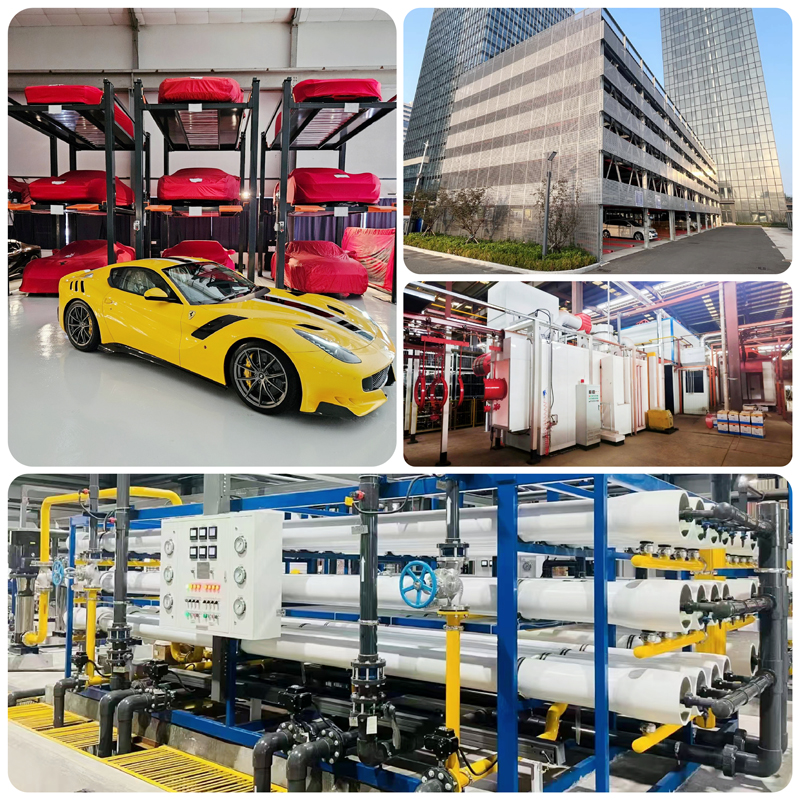
Qingdao Cherish is an integrated industry and trade enterprise dedicated to the design, manufacture, and global supply of intelligent parking equipment and industrial processing solutions. With strong engineering capabilities, modern manufacturing resources, and extensive international project experience, we deliver reliable systems that support modern urban infrastructure and industrial development worldwide.

Founded by a team of experienced engineers and international business professionals, the company was established with a clear mission: to provide efficient, durable, and sustainable equipment solutions through continuous innovation, precision manufacturing, and customer-focused service. From initial concept design and technical planning to production, delivery, and after-sales support, we ensure consistent quality and dependable performance throughout every project lifecycle. Today, our business operates through two specialized divisions to better serve diverse market needs and provide focused expertise across different industries.

A Vision for Global Environmental Stewardship

Guided by our core values—quality, innovation, reliability, and long-term partnership—Qingdao Cherish has steadily expanded its presence across international markets. We are committed to delivering cost-effective solutions, professional technical support, and long-term value to partners worldwide. Looking ahead, we aim to become a trusted global provider of intelligent parking and industrial engineering solutions, contributing to smarter cities and more sustainable industries.
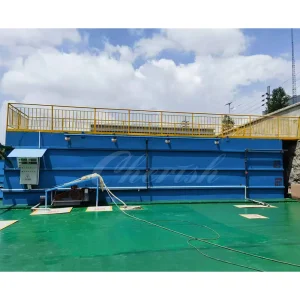
Qingdao Cherish Industrial Plant
100+
Countries & Regions Served
2000+ ㎡
Modern Production Capacity
15+
Years of Engineering Expertise
90%+
Israel Sewage Reclaimed Target

Deep Dive: Israel's Local Commercial and Industrial Wastewater Landscape

Israel is globally recognized as the pioneer of the circular water economy. Faced with severe natural water scarcity, the nation has engineered a paradigm where municipal sewage is not viewed as waste, but as a strategic resource. Today, Israel treats and reclaims approximately 90% of its municipal wastewater for agricultural irrigation, primarily in the arid Negev Desert. This unparalleled success is driven by stringent regulatory frameworks, such as the Inbar Committee standards, which dictate strict limits on nitrogen, phosphorus, heavy metals, and micro-pollutants in reclaimed effluent.

In the commercial and industrial sectors, the demand for decentralized sewage treatment plants (STPs) and high-efficiency wastewater treatment plants (WWTPs) is surging. Industrial zones from Haifa to Beer Sheva house chemical, pharmaceutical, microelectronic, and food-processing facilities that require highly specialized treatment technologies. Because the national grid strictly monitors the salinity and chemical oxygen demand (COD) of discharged wastewater, local industries must pre-treat or entirely recycle their process water. This is where membrane technologies (UF and RO), advanced oxidation processes, and containerized integrated domestic sewage systems play a critical role, allowing factories to achieve zero liquid discharge (ZLD) and maintain compliance with local environmental laws.

Global Trends in Commercial & Industrial Sewage Treatment

Globally, water scarcity is no longer localized; it is a systemic threat to industrial continuity. Across Europe, Asia, and the Americas, regulatory pressures regarding the release of "forever chemicals" (PFAS), microplastics, and high nutrients are forcing a transition from passive biological treatment to advanced membrane-based separation. Key international developments include:

  • Decentralization: The high cost of expanding municipal sewer grids has made on-site, containerized sewage treatment plants highly economical for remote mining sites, agricultural estates, and new suburban communities.
  • Resource Recovery: Modern plants are shifting from "removal" to "recovery"—reclaiming clean water, extracting valuable nitrogen and phosphorus, and converting organic sludge into biogas or fertilizer.
  • Decarbonization: Minimizing the energy footprint of aeration systems through smart sensors and optimizing chemical usage to reduce operational expenditures (OpEx).

Qingdao Cherish Division Insights

Industrial Equipment Division

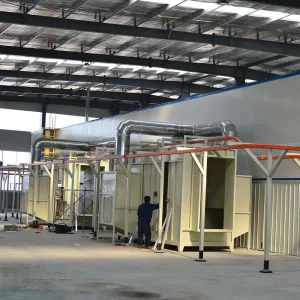
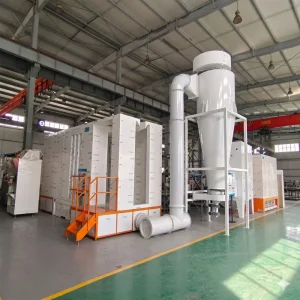
Our Industrial Equipment Division provides advanced powder coating lines and sewage treatment plant solutions for industrial applications. These systems are engineered to improve production efficiency, surface finishing quality, and environmental sustainability. By integrating automation technology with durable system design, we help clients optimize manufacturing processes while meeting modern environmental standards and regulatory requirements.

Parking Systems Division

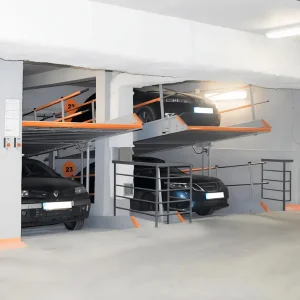
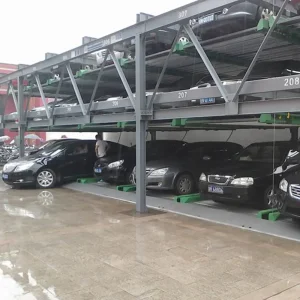
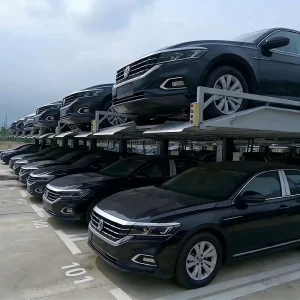
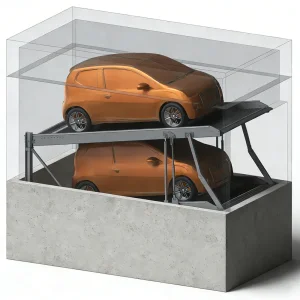
Focuses on the development and production of car parking lifts, automated parking systems, car stackers, and customized parking solutions. Designed to maximize space utilization and operational efficiency, our systems are widely applied in residential buildings, commercial facilities, hospitals, and urban developments.

Technology Roadmap and Engineering Solutions

Addressing modern wastewater challenges requires a multi-stage technical approach. In Israel, where brackish groundwater and seawater intrusion are common, treating water involves integrating biological, physical, and chemical barriers:

1. Pre-Treatment and Screening

Removal of large solids and grit to protect sensitive downstream membrane modules. This phase is crucial for ensuring the longevity of high-pressure pumps and membrane systems.

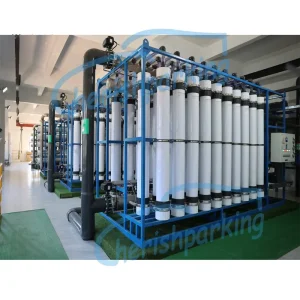
2. Membrane Bioreactor (MBR) and Moving Bed Biofilm Reactor (MBBR)

Integrating biological degradation with ultrafiltration. The MBR process eliminates the need for secondary clarifiers, resulting in a significantly smaller footprint and producing effluent with exceptionally low suspended solids.

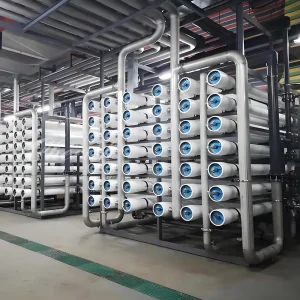
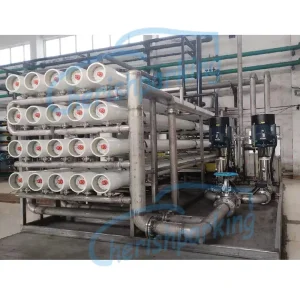
3. High-Pressure Reverse Osmosis (RO) Desalination

Used primarily for polishing brackish water and industrial effluent. RO systems reduce dissolved salts, heavy metals, and complex organic compounds to levels safe for sensitive agricultural crop cultivation and industrial boiler feed.

Localized Application Scenarios in Israel

Different operating environments within Israel demand customized wastewater configurations:

  • Agricultural Kibbutzim: Decentralized, skid-mounted integrated sewage treatment systems that require minimal operational supervision and produce effluent compliant with unrestricted irrigation guidelines.
  • Coastal Cities (Tel Aviv, Netanya): Treatment plants dealing with variable salinity due to seawater intrusion. These require corrosion-resistant duplex stainless steel fittings and chemical-resistant RO membranes.
  • Industrial Parks (Neot Hovav): Heavy industrial wastewater treatment involving complex chemical mixtures. Customized physical-chemical separation combined with biological digestion is required before discharging to public sewer lines.

Synergizing Water Reclamation with Modern Smart Infrastructure

As modern urban planning and industrial logistics become increasingly integrated, developers must address multiple infrastructural bottlenecks simultaneously. In fast-growing metropolitan areas like Tel Aviv, land prices are premium, requiring developers to maximize vertical space. This pressure applies both to environmental systems (which must be compact and efficient) and to spatial utilization (which demands automated parking solutions).

Our dual expertise in industrial equipment (including state-of-the-art sewage treatment plants and energy-efficient powder coating lines) and intelligent parking structures (such as underground hydraulic scissor lifts and multi-level puzzle parking systems) enables us to deliver multi-disciplinary engineering solutions. For example, residential complexes, hotels, and manufacturing plants can implement containerized, low-noise wastewater treatment units in basement facilities alongside automated parking lifts, optimizing land value while reducing environmental impact.

High Efficiency Powder Coating: Reducing Environmental Waste

Powder coating represents one of the most advanced coating technologies in the world today. Its primary advantage lies in emitting little to no volatile organic compounds (VOCs). Compared to traditional liquid coatings, powder coatings form uniform, thick layers without issues like dripping or sagging. Additionally, overspray can be efficiently recycled, achieving nearly 100% material utilization and significantly reducing waste. Powder-coated surfaces exhibit superior consistency in appearance and durability, easily achieving special effects that are difficult to replicate with liquid coating processes.

Frequently Asked Questions (FAQ)

What parameters should be considered when choosing a sewage treatment plant in Israel?

Key factors include: daily wastewater volume (m³/day), the nature of the influent (domestic vs. industrial), target discharge standards (e.g., Inbar Committee standards for irrigation or sewer discharge), spatial constraints, salinity levels, and whether integration with reverse osmosis (RO) is needed for desalinating reclaimed water.

How does an Integrated Container Sewage Treatment system differ from traditional concrete systems?

Containerized systems offer pre-engineered, skid-mounted layouts that are manufactured, tested, and assembled off-site. This significantly reduces on-site civil works, speeds up deployment, and allows for modular scalability—crucial for remote sites, agricultural kibbutzim, and fast-paced commercial developments in Israel.

What is the typical lifespan and maintenance schedule for Reverse Osmosis (RO) systems?

With regular chemical clean-in-place (CIP) and proper pre-treatment (such as multi-media filtration and ultrafiltration), RO membranes typically last 3 to 5 years. Structural frames and high-pressure pumps engineered by Qingdao Cherish are designed for 15+ years of operational durability under coastal and brackish operating conditions.

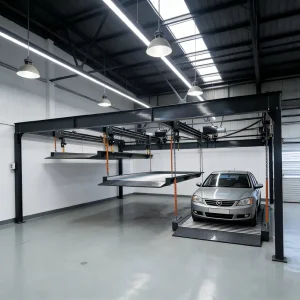
Can automated parking systems be customized for low-ceiling underground garages?

Yes, our Tilting Parking Lifts and mechanical pit-type stackers are specifically engineered for height-restricted basements. They allow cars to be stored in pits or tilted at an angle, maximizing vehicular volume in tight urban landscapes like Tel Aviv.