Decentralized treatment systems configured for municipal, industrial, coastal, and estate development operations across Accra, Tema, Kumasi, and regions beyond.
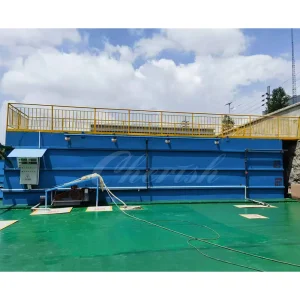
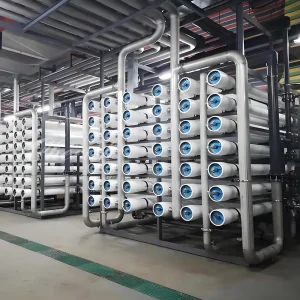
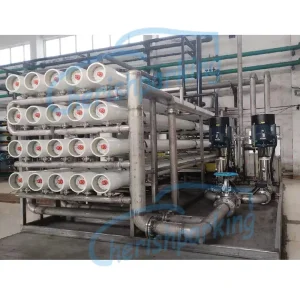
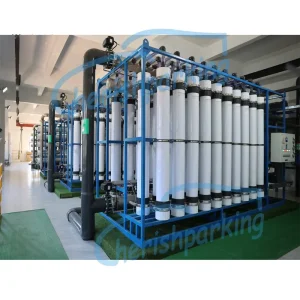
An authoritative analysis of regulatory enforcement, commercial wastewater burdens, and decentralized solutions in Sub-Saharan West Africa.
In major metropolitan centers such as Accra, Kumasi, Tema, and Sekondi-Takoradi, the expansion of municipal sewage networks has lagged behind rapid residential and industrial development. Most gated residential developments, corporate offices, hotels, and educational facilities rely heavily on conventional septic tanks or poorly maintained soakaways. These outdated systems present ongoing biological hazards, contaminate shallow aquifers, and demand constant evacuation services. Decentralized Sewage Treatment Plants (STPs) represent the only viable path to reducing reliance on over-stretched municipal systems.
Moreover, the Environmental Protection Agency (EPA) of Ghana has steadily intensified its oversight. Establishments that discharge untreated sewage or industrial effluents directly into public drainage systems face severe litigation, closures, and heavy fines. Industries operating within the Tema Industrial Zone or the Free Zone area must meet stringent effluent limits: biological oxygen demand (BOD) below 50 mg/L, chemical oxygen demand (COD) below 250 mg/L, and total suspended solids (TSS) below 50 mg/L before discharge.
"The shift toward decentralized wastewater treatment in Ghana is no longer a matter of green public relations—it is a critical operational necessity for developers and industrial plants aiming to secure environmental licensing and achieve long-term cost savings."
Deploying wastewater treatment equipment in West Africa requires careful engineering adaptation due to local environmental and operational challenges:
Why partnerships with specialized Chinese manufacturing centers like Qingdao Cherish deliver reliable, high-value, and resilient systems.
Delivering robust environmental and structural engineering solutions across diverse global climates.
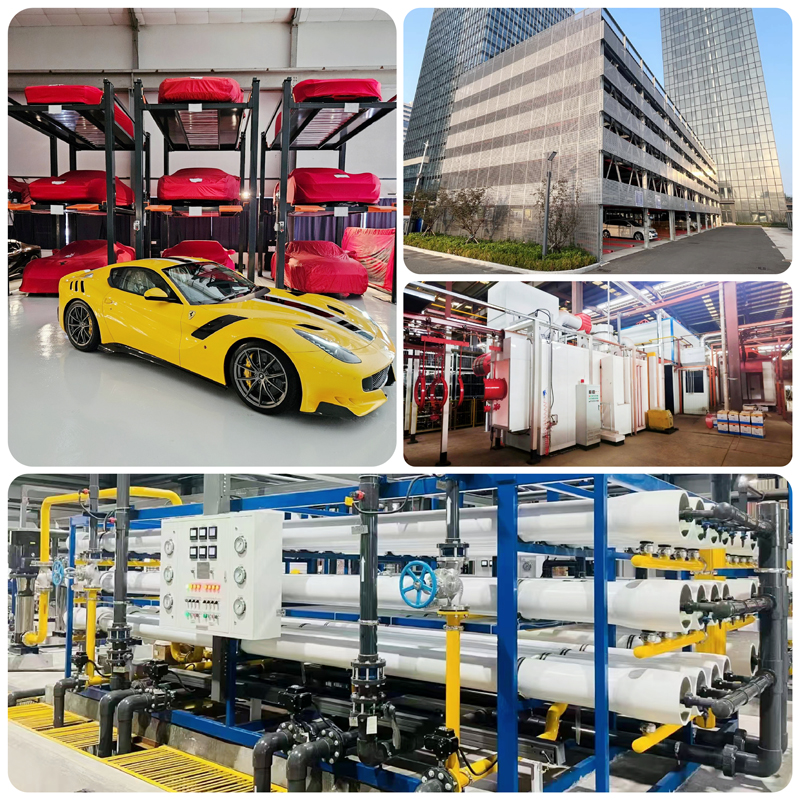
Equipped with state-of-the-art automated manufacturing, testing setups, and powder-coating systems.
Global project foot-print spanning North & South America, Europe, Australia, and West Africa.
Procuring custom environmental systems from China allows project planners to bypass the high capital costs associated with European and North American equipment while maintaining equivalent operational performance. By leveraging advanced membrane separation components (Ultrafiltration and Reverse Osmosis) sourced from global leading developers, Chinese engineering firms construct highly integrated, compact systems that reduce both capital expenditure (CAPEX) and long-term operating expense (OPEX).
Furthermore, leading Chinese manufacturers apply advanced anticorrosion treatments. By utilizing automated sandblasting, zinc-rich primers, and thick marine-grade polyurethane topcoats, our systems withstand West Africa's intense coastal humidity and harsh chemical exposure. Our containerized setups also facilitate shipping, reducing assembly work on-site and lowering installation costs in Ghana.
Operating through specialized divisions to deliver reliable urban infrastructure and heavy-duty industrial processing setups worldwide.

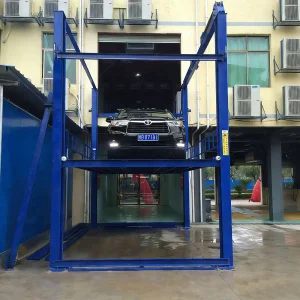
Our Parking Systems Division specializes in the development and production of car parking lifts, automated mechanical parking systems, car stackers, and custom vertical storage solutions. Engineered to maximize land use efficiency, these systems are widely applied in high-density residential properties, premium commercial centers, modern hospitals, and urban infrastructure developments facing parking space shortages.
Through engineering innovation, rigorous quality controls, and CE certification standards, we provide space-saving solutions designed for long lifetimes, safe operation, and low maintenance overheads.
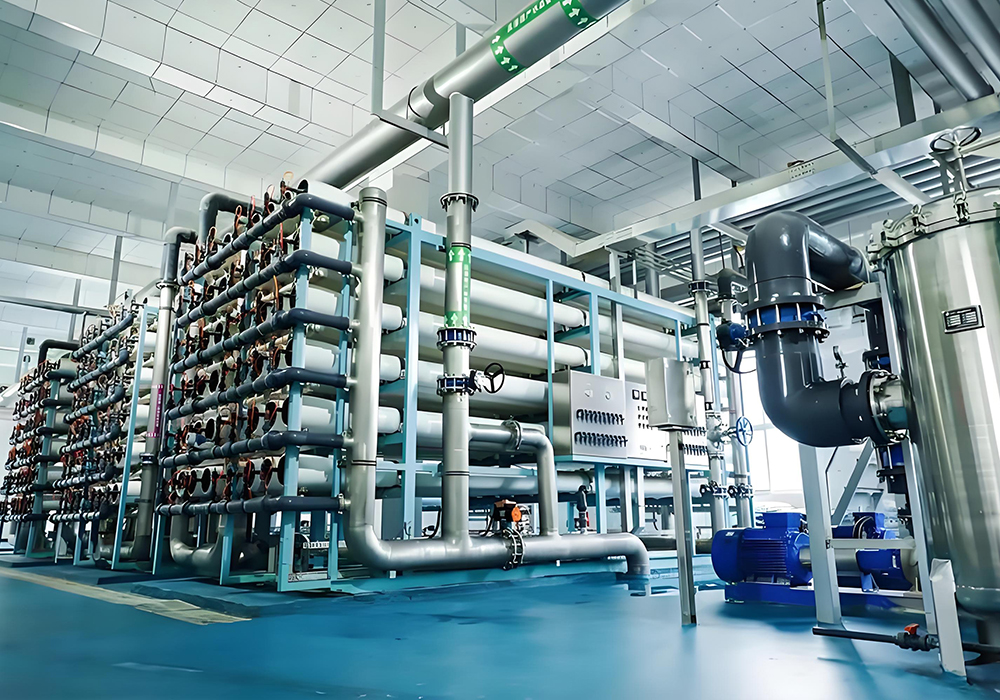
Our Industrial Equipment Division supplies advanced industrial surface finishing systems and automated environmental solutions, including powder coating lines and municipal/industrial wastewater treatment plants. These systems are engineered to improve finishing quality, boost manufacturing throughput, and support compliance with modern environmental discharge rules.
By blending automation controls with heavy-duty construction, we help our industrial partners minimize process waste, reduce operational costs, and reach their environmental and production targets.
How our sewage treatment plants and water purification systems resolve localized infrastructural challenges.
Ghana's growing real estate sector—especially in areas like East Legon Hills, Airport Residential Area, and coastal beach resorts in Ada or Busua—requires robust sewage treatment solutions. Installing a localized, containerized Membrane Bioreactor (MBR) sewage plant allows developers to eliminate the costs and odors of septic tank evacuation. MBR systems produce high-quality effluent suitable for landscape irrigation and toilet flushing, helping projects save on municipal water utility costs.
Food processing, beverage packaging, and agricultural processing facilities discharge wastewater high in organic loads, fats, oils, and grease (FOG). Deploying an integrated treatment train with Dissolved Air Flotation (DAF) for primary separation, followed by an MBBR biological stage, reduces biological oxygen demand (BOD) and chemical oxygen demand (COD) to compliant levels. The treated effluent can then be polished with Reverse Osmosis (RO) to supply process boiler feeds, creating a cost-effective water reuse cycle.
Gold mining facilities and gas processing units in remote areas require reliable water supplies for staff housing and processing operations. Our containerized, plug-and-play sewage plants can be transported on standard flatbed trucks and set up quickly. Combined with Brackish Water Reverse Osmosis (BWRO) units, they turn borehole water into safe drinking water for mining camps, securing operations from local water shortages.
Answers to common engineering and regulatory questions on sourcing, installing, and maintaining sewage systems in Ghana.
Decentralized treatment units, seawater desalination plants, and modern vertical space-saving solutions for real estate and municipal projects.
 Cherish