Decentralized infrastructure tailored to satisfy the rigorous purification standards mandated by Japan's Water Pollution Prevention Act.
Tokyo operates as one of the most high-density industrial and commercial environments in the world. The Tokyo Metropolitan Government (TMG) maintains stringent discharge parameters for COD (Chemical Oxygen Demand), BOD (Biochemical Oxygen Demand), Nitrogen, and Phosphorus. These laws affect both factory runoffs in the Ota and Koto Wards and commercial high-rise graywater configurations in the central business districts of Roppongi and Marunouchi.
In addition, Tokyo’s metropolitan infrastructure is increasingly vulnerable to combined sewer overflow (CSO) challenges during extreme weather events. This situation has driven a major commercial shift toward decentralized, on-site sewage treatment plants (STPs) and closed-loop water reclamation networks. These systems treat waste at the source, allowing local facilities to recycle up to 90% of process water for toilet flushing, HVAC cooling systems, and green landscaping.
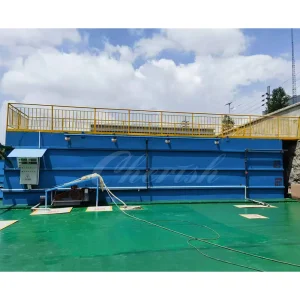
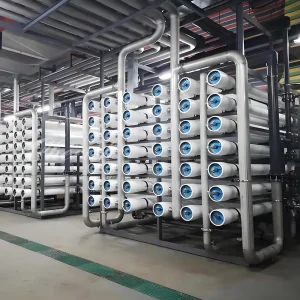
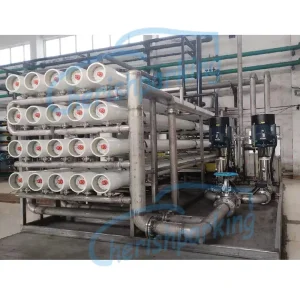
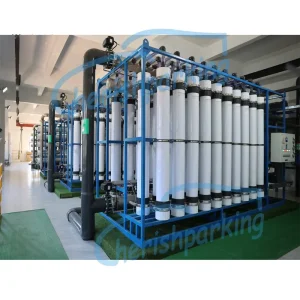
Our specialized engineering team designs integrated containerized MBR (Membrane Bioreactor) plants, ultrafiltration (UF) setups, and high-recovery reverse osmosis (RO) systems. These products fit Tokyo’s tight urban footprint without sacrificing purification capacity.
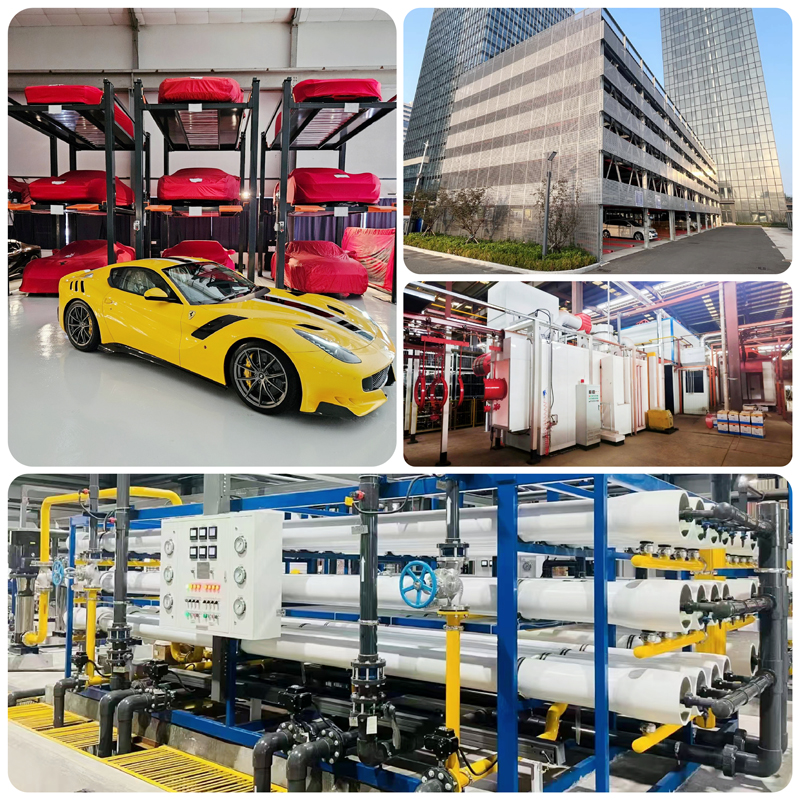
Qingdao Cherish integrates engineering and advanced fabrication to deliver durable water treatment components and automated structural steel systems worldwide.
Our containerized systems and industrial machinery bases are fabricated using CNC robotic laser-cutting and automated pulse-welding systems. This guarantees water-tight structural seals and structural alignments that withstand high hydraulic pressures and seismic stress, matching Japan’s structural standards.
Every sewage treatment unit, structural stacker, and hydraulic control assembly goes through testing before shipment. By adhering to international ISO 9001 quality systems and CE safety standards, we ensure seamless installations and approvals at your site.
Our production base in Qingdao is situated near a major international shipping hub. This lets us load containerized systems directly and ship to the Port of Tokyo with minimal transit delays. It ensures reliable project timelines for municipal works, commercial buildings, and industrial plants.
Qingdao Cherish delivers solutions across two divisions to meet the space-saving and environmental demands of modern high-density cities.

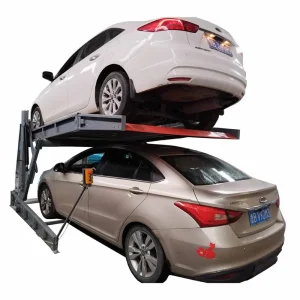
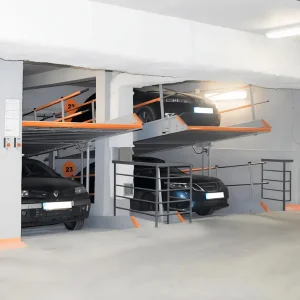
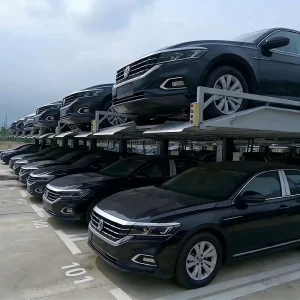
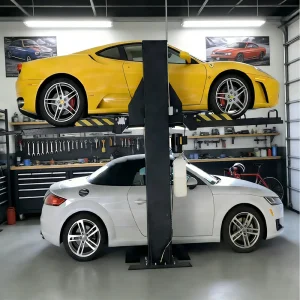
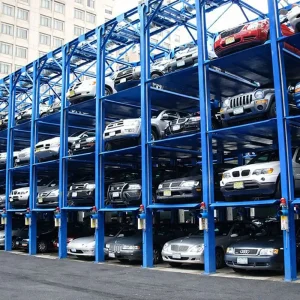
We design and manufacture car parking lifts, sliding puzzle systems, stackers, and heavy-duty vehicle elevators. These products help residential communities, corporate offices, and transit hubs maximize their limited parking space. By moving parking underground or stacking cars vertically, urban developers can free up surface land for environmental systems, water reclamation setups, and green community spaces.
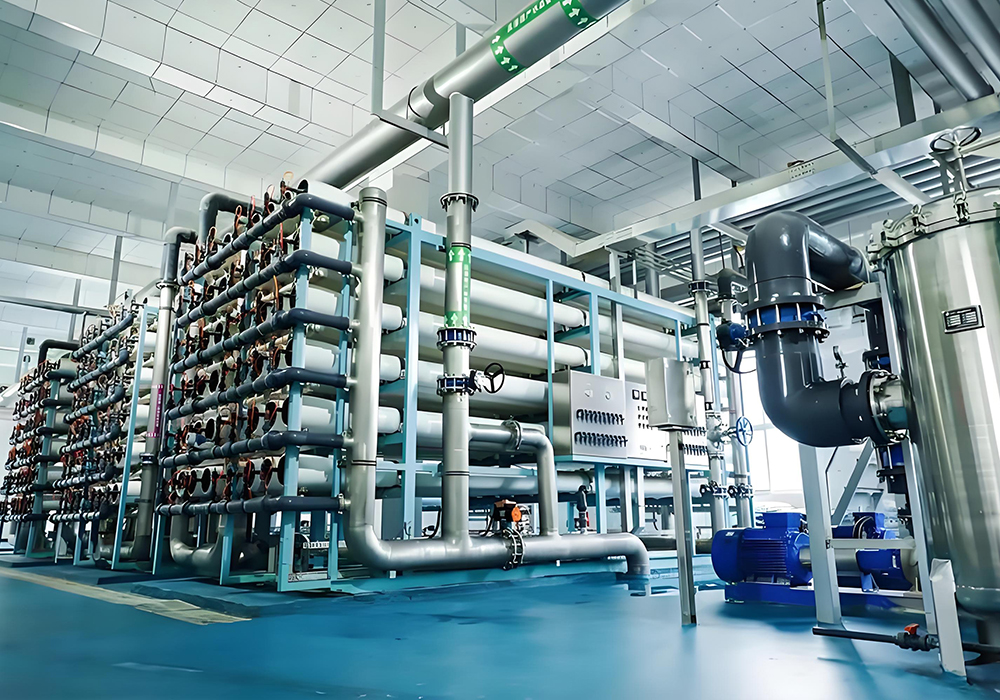
This division develops custom wastewater and sewage treatment installations alongside eco-friendly industrial powder coating lines. We help facilities reuse their wastewater, reduce heavy metal runoffs, lower energy consumption, and eliminate VOC emissions. This keeps industrial operations compliant with modern environmental rules.
Water scarcity, rising municipal discharge fees, and corporate ESG mandates are changing how global businesses handle industrial wastewater. The days of simply dumping treated wastewater into municipal grids are ending. Today, companies are moving toward Zero Liquid Discharge (ZLD) and advanced water reclamation systems.
This transition relies on combining physical filtration, biological treatment, and membrane technology. Integrated containerized sewage systems combine primary settling, aerobic treatment, and ultrafiltration (UF) into a single, compact unit. These modular setups are easy to install, expand, and relocate. They are a popular choice for remote manufacturing hubs, new commercial complexes, and coastal factories.
For specialized processes like micro-electronics, metal finishing, and food processing, standard biological treatments are not enough. These facilities require reverse osmosis (RO) systems to remove dissolved solids and heavy metals. This produces high-purity process water that can be reused directly back in production, protecting municipal water grids.
Space-saving parking configurations, high-density lifts, and automated manufacturing systems built for commercial developments.

 Cherish